

“Because there are still so many clear blue skies and sunny days ahead for us to see together.”
Professor of Ophthalmology
Areas of expertise
Prof. Dr. Çağatay Çağlar has practised ophthalmology for over fifteen years, with a subspecialty focus on retina, macula and vitreoretinal surgery. He is a Professor and Head of the Department of Ophthalmology at Maltepe University. Together with the clinic's fellow physicians, he covers the full scope of eye examination and surgery — from routine check-ups and early diagnosis through to surgical treatment.
International experience
 Eberhard Karls University, Department of Ophthalmology, Tübingen, Germany
 University of Melbourne, Royal Victorian Eye Hospital, Melbourne, Australia
Specialists, surgeons, resident doctors, nurses, coordinators, technicians...
Surgeon
Refractive errors such as myopia, hyperopia and astigmatism, along with chronic eye diseases, are not a single appointment but a long conversation spanning years. I would rather explain a treatment plan more than necessary today than have the patient experience problems with their vision a year later.
From common eye problems to emergencies — a clear assessment, plain-language explanation, and key messages to take home.
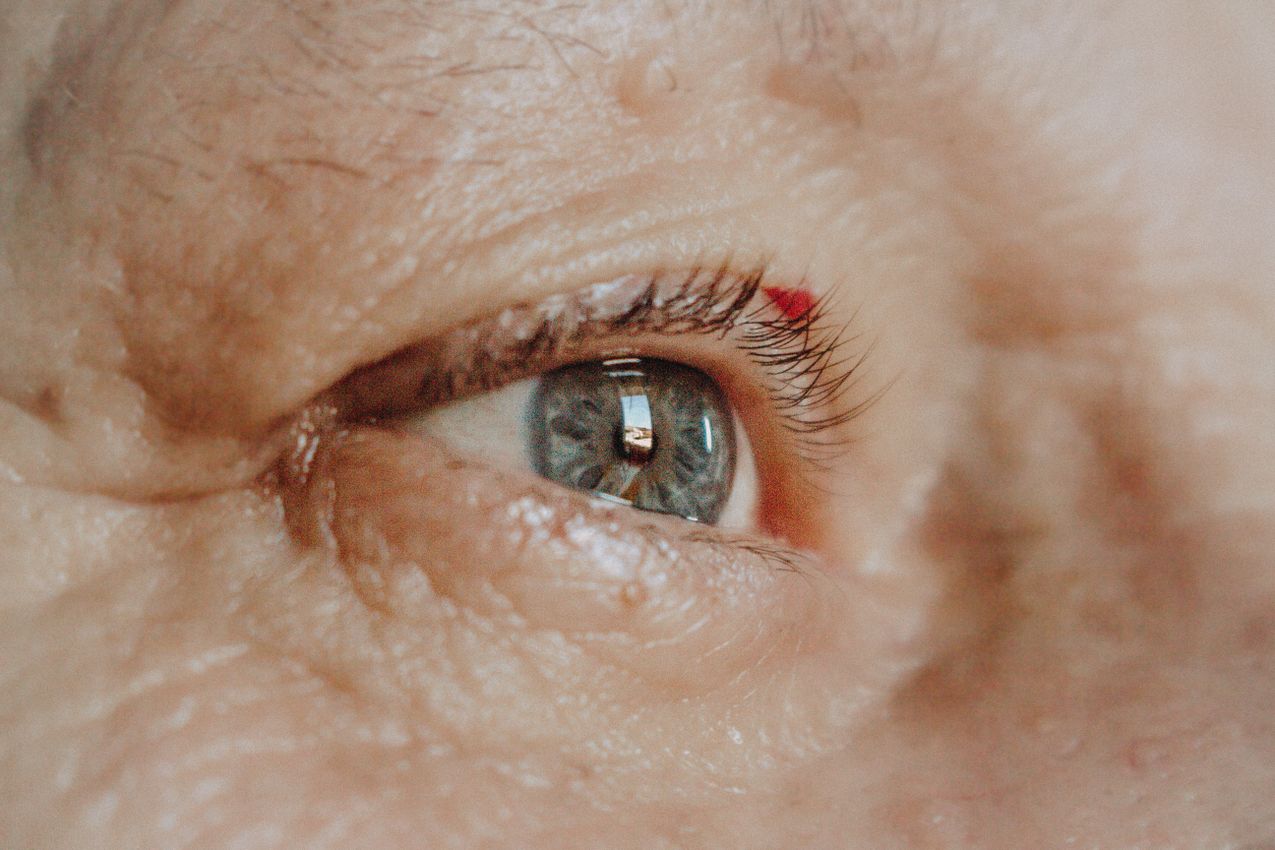
A cataract is the gradual clouding of the eye's normally clear lens, which reduces the quality and clarity of vision.
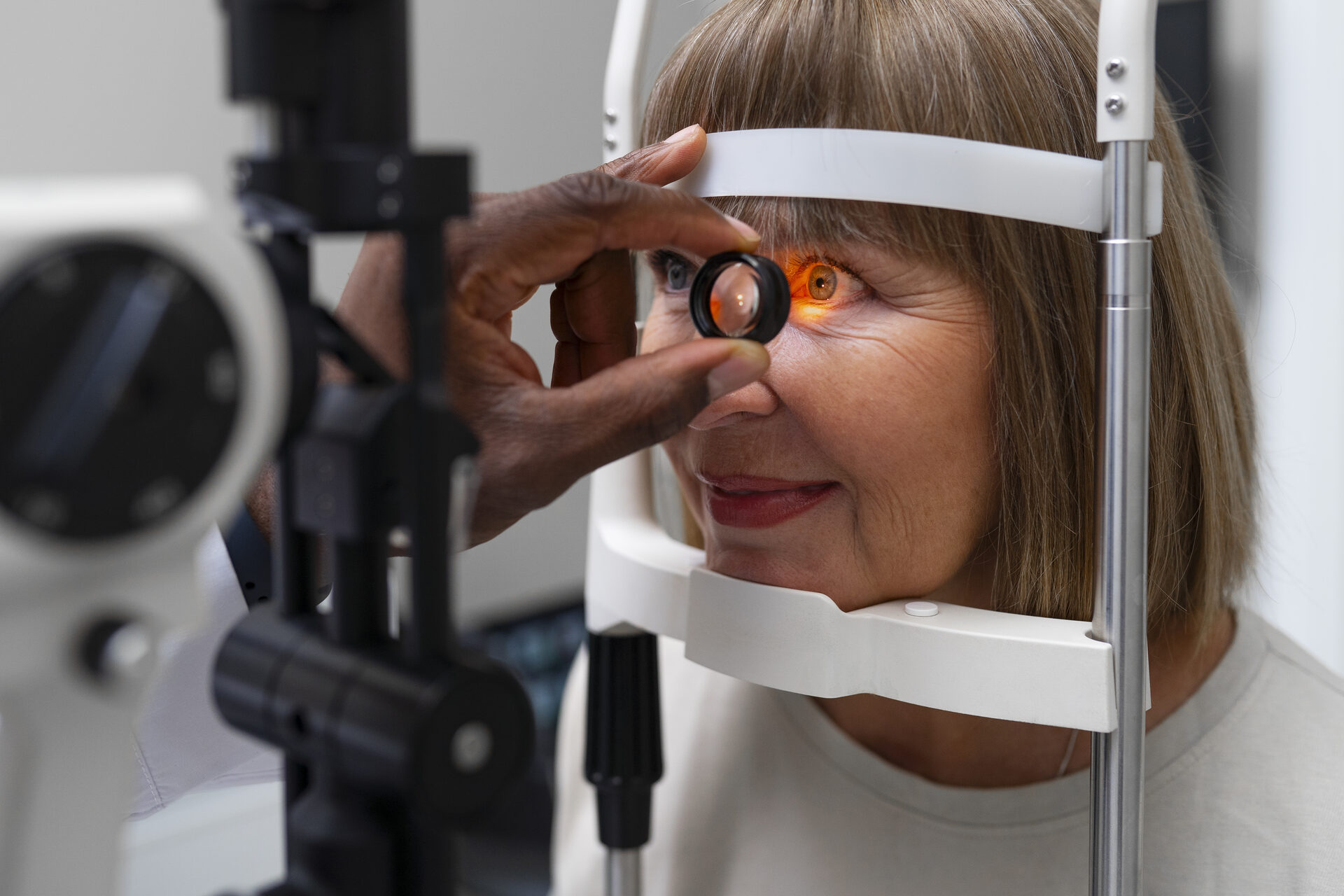
Glaucoma is a progressive eye disease in which the optic nerve is damaged, often by raised eye pressure, and which can cause irreversible vision loss if not caught early.
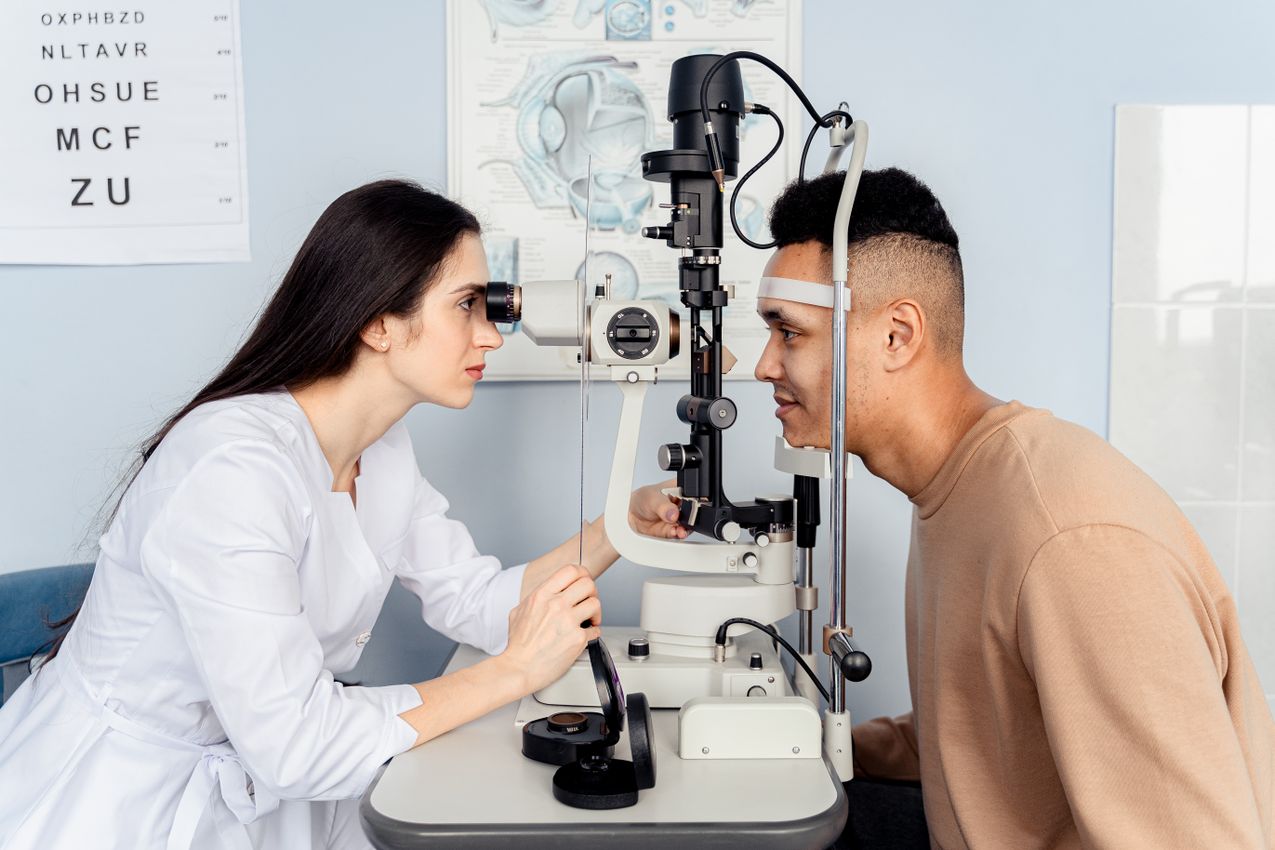
The retina is the light-sensing tissue at the back of the eye, and a wide range of conditions (from diabetic retinopathy and macular degeneration to retinal tears, detachment and vessel occlusions) can threaten the vision it makes possible.

A common ocular surface condition in which the eyes do not produce enough tears or the tear quality is poor, leading to dryness, irritation and blurred vision.
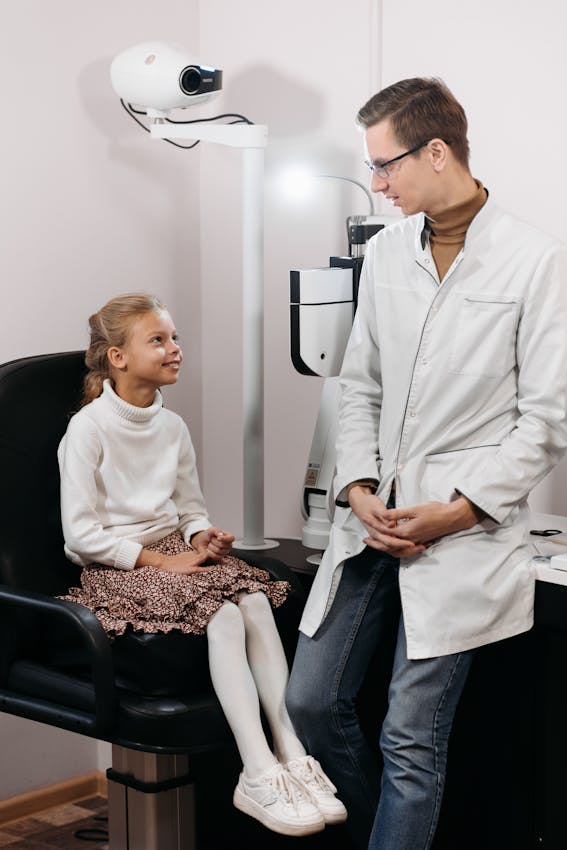
An informational guide for parents on protecting children's vision, covering refractive errors, lazy eye, strabismus, myopia control, tear-duct blockage and screen habits.
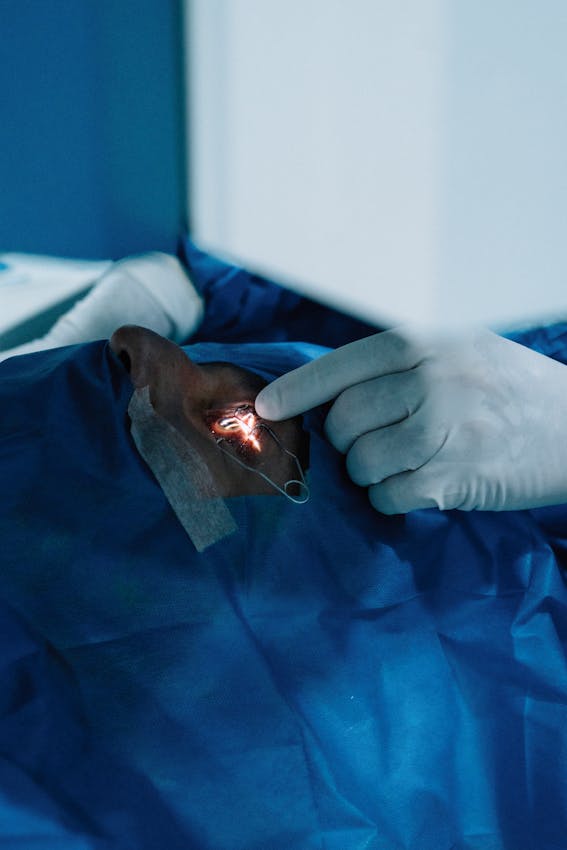
Surgical options, laser vision correction and intraocular lenses, that aim to reduce or remove the need for glasses and contact lenses.
Quick answers to the questions we hear most about booking, the exam process, and our clinic.
Can't find your answer? Get in touchYou can request an appointment using the “Book an Appointment” button on this site, or by calling the clinic. We'll get in touch to confirm a day and time that suits you.
If you have them, bring your current glasses or contact lenses, a list of any medications you take, and any reports or test results from previous eye exams; they make the assessment easier.
Some exams require dilating the pupils with drops. If so, your near vision may be blurry and your eyes sensitive to light for a few hours, so we recommend not driving afterwards and bringing someone with you if possible.
It depends on the scope of the exam, but a comprehensive eye exam usually takes about 30–45 minutes. If your pupils are dilated, allow extra time for the drops to take effect.
Regular eye checks matter even if you have no complaints. How often depends on your age and risk factors; the right interval for you is determined during the exam.
Drop by, give us a call, or send a note — we usually reply within one business day. New patients accepted throughout the year.
Use this form for general questions, scheduling requests, or anything you'd rather not say over the phone.