Children's Eye Health & Strabismus
An informational guide for parents on protecting children's vision, covering refractive errors, lazy eye, strabismus, myopia control, tear-duct blockage and screen habits.
Children's Eye Health: An Informational Guide for Parents
Healthy vision is vital for children's overall development, learning and success. Eye examinations performed at an early age can help detect possible eye problems early. In this guide you will find information on how to protect children's eye health, which signs to watch for, and what precautions can be taken.
Why Eye Health Matters in Children
Eye health plays a critical role in a child's overall development. As children learn about the world, they rely largely on their sense of sight. If eye problems go unnoticed early on, a child is likely to face difficulties both at school and in social life. For this reason, regular eye examinations and a mindful approach to eye health are important.
Common Eye Problems in Children
Myopia (difficulty seeing far) is one of the most common eye problems in children. A child who cannot see clearly in the distance may struggle to read the board, sit close to the television, or squint. Typical signs are blurry vision of distant objects, not being able to see the board clearly, and constant squinting.
Hyperopia (difficulty seeing near) causes children to see nearby objects blurry. If it is not noticed early, difficulties may arise in skills such as reading and writing. Signs include trouble seeing nearby text and objects, and constantly blinking while reading a book or drawing.
Astigmatism is a condition involving an irregularity in the shape of the front of the eye and can cause both near and far images to appear blurry. Signs include blurry vision of both distant and nearby objects, headaches and eye strain.
Strabismus is a condition in which the eyes look in different directions. A child's eye muscles do not coordinate fully, and this leads to a vision disorder. Signs include the eyes not being aligned with one another, a tendency to cover one eye, and a visible deviation of the eyes.
Amblyopia (lazy eye) is characterized by one eye seeing more weakly than the other. If left untreated, it can cause permanent vision loss. Signs include marked vision loss in one eye, and the child preferring to close one eye.
Warning Signs Parents Should Watch For
To protect their children's eye health, it is important for parents to watch for certain signs. Some signs that may indicate an eye problem in children are: sitting very close to the television or computer in order to see clearly; reading very close up by bringing their head near the book; frequently rubbing their eyes due to discomfort or blurry vision; an unsteady gait and frequent stumbling when the child cannot see surroundings well; and headaches caused by eye strain.
Tips to Protect Children's Eye Health
A few suggestions to protect your child's eye health and prevent eye problems are as follows. The most important step is having regular eye examinations done; taking children for an eye examination, especially in the preschool period, allows possible eye problems to be detected early. The first eye examination is generally recommended at age 3, and at least one more examination is advised before school age.
Limit screen time, since looking at digital screens for long periods can lead to eye strain and dryness in children; limiting the use of computers, tablets and phones is an important step. The 20-20-20 rule (every 20 minutes, rest the eyes by looking about 20 feet (6 metres) away for 20 seconds) is helpful.
A balanced diet rich in vitamins A, C and E is important for eye health, and omega-3 fatty acids also contribute. Foods that are good for the eyes include carrots, leafy green vegetables, oily fish such as salmon, and nuts such as walnuts and almonds.
Use sunglasses, because children are sensitive to the sun's harmful UV rays; using quality sunglasses that provide 100% UV protection when outdoors is important. Finally, ensure play and sport safety: when children are active, appropriate protective eyewear should be used, especially during sports or outdoor play, to protect the eyes against accidents.
What Is a Pediatric Ophthalmologist? Is a Children's Eye Doctor Separate?
Pediatric ophthalmology is a medical sub-specialty of ophthalmology concerned with children's eye health. Doctors working in this field are called pediatric eye doctors or pediatric ophthalmologists. They diagnose, treat and take preventive measures for the vision problems of children across a wide age range, from infants to adolescents. Although all eye doctors examine infants and children during their specialty training, some do not examine infant or child patients after qualifying, while others gain experience and specialize in this sub-branch of ophthalmology.
To become a pediatric eye doctor, after general medical education a physician completes a 4–5 year ophthalmology residency to become an eye specialist, then receives additional training focused on children's eye health, or gains experience in a clinic working in this area. This sub-specialty requires understanding the special needs of children in diagnosing and treating childhood eye diseases.
Pediatric ophthalmologists evaluate and treat many different problems related to children's visual health. These include refractive errors (myopia, hyperopia, astigmatism), where a correct diagnosis leads to the right glasses prescription; strabismus, an alignment problem that is common in children and can cause permanent problems such as amblyopia if untreated; amblyopia (lazy eye), where early diagnosis and treatment are critical; congenital cataract, a rare condition that can block vision and may require surgery; tear-duct blockage, which can cause constant watering and infections in infants; eye infections and trauma; retinopathy of prematurity (ROP), a retinal development problem in babies born early that can cause permanent vision loss; and genetic eye diseases, where early diagnosis and treatment are provided.
The treatments pediatric ophthalmologists apply include glasses and contact lens prescriptions, the most common way to correct refractive errors; patching therapy, in which the strong eye is covered so the weak eye works in children with amblyopia; strabismus surgery to correct the eye muscles; tear-duct opening surgery to open blocked tear ducts; and laser treatments for retinal problems or certain other conditions.
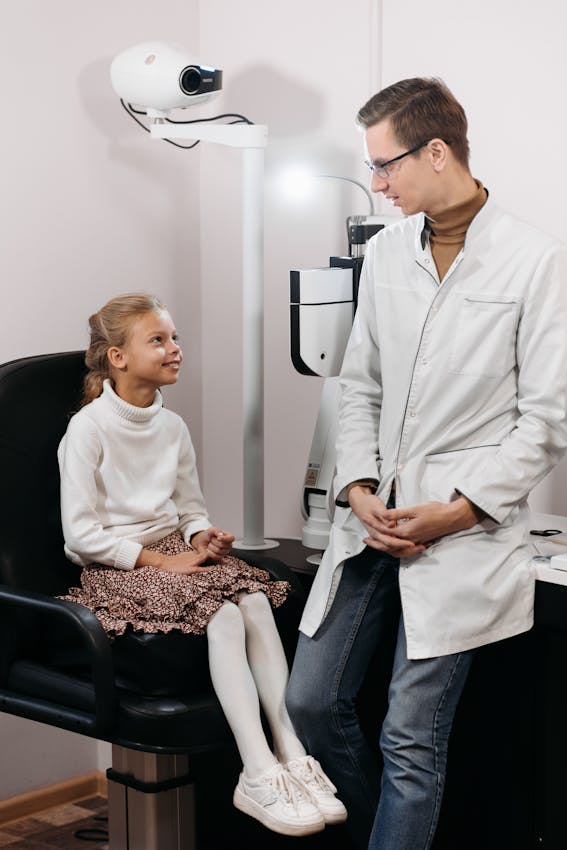
Regular eye examinations are extremely important for children to monitor visual development and notice possible problems early. Pediatric ophthalmologists use special tests and methods to communicate more comfortably with children and examine them accurately; vision testing for children is usually carried out with less frightening methods such as fun games or picture cards.
A pediatric ophthalmologist should be consulted when, from birth, there is constant watering, redness or movement disorders in an infant's eyes; when signs such as reading difficulty or watching television up close are noticed in children; when there is deviation, strabismus or a marked difference between the two eyes; in cases of eye injury or infection; when there is a serious hereditary eye disease in the family; or when a child has continuously increasing myopia and changing glasses prescriptions. In our clinic, we provide pediatric eye examinations on both the European and Anatolian sides of Istanbul.
Is Phone or Tablet Use Harmful to Children's Eyes?
Looking at phones, tablets and other digital devices up close for long periods can negatively affect children's eye health, although it has not been proven to directly cause an eye disorder. Even so, excessive screen use can trigger some eye problems or worsen existing ones.
Looking at screens for long periods can cause digital eye strain, especially with prolonged close-up device use. Children blink less while focusing on a screen, and the light emitted by digital screens can affect the eye, leading to dryness, a burning sensation and blurry vision. Long-term close use of a phone or tablet can also increase the risk of myopia; research suggests the rising rate of myopia in today's children may be related to digital device use and spending little time outdoors, as prolonged near focus can change the shape of the eye and advance myopia. Staying at a screen for long periods, looking at it very close up, and doing near work or screen work in dim light can all increase myopia risk.
Holding positions that are not aligned with the eyes while using a phone or tablet can increase eye strain; poor posture puts pressure on the eyes as well as the neck and back muscles, leading to headaches and vision problems. The blue light emitted by digital devices may be harmful to eye health; blue light exposure especially in the evening can affect children's sleep patterns, and over the long term excessive blue-light exposure may harm the retina.
What can be done? Apply the 20-20-20 rule, looking about 6 metres away for 20 seconds every 20 minutes to reduce eye strain. Limit screen time, especially for young children; the World Health Organization does not recommend screen use for children under 2, and advises no more than one hour of daily screen time for children aged 2–5. Encourage time outdoors, since daylight is beneficial for eye health and may slow myopia. Remind children to blink more often while using a screen, which helps prevent dryness. In short, although there is no definitive proof that phone and tablet use directly causes an eye disorder in children, prolonged screen use can lead to eye strain, myopia and other eye-related problems, so balancing screen time and taking protective measures is important.
When Should Children Have an Eye Examination?
Children's eye health should be monitored regularly from birth. Early diagnosis and treatment are very important for healthy visual development and for good vision in adulthood, so eye examinations should be done at certain intervals. Under the Ministry of Health screening programme, every newborn must undergo eye screening twice, at 0–3 months and at 36–42 months, so that eye problems can be detected.
In the newborn period (the first 0–3 months), the baby's eyes should be examined; a red-reflex test is performed and the baby is checked for congenital eye problems such as congenital cataract, tear-duct blockage and congenital glaucoma. Premature babies carry a risk of retinal problems (ROP), so they in particular should be checked by an eye doctor.
Between ages 1 and 2, visual development continues rapidly; if problems such as amblyopia or strabismus are noticed early, the chance of treatment is higher. If the family notices deviation of the eyes or signs of poor vision, the child should be brought for examination, where the doctor uses appropriate tests to assess visual capacity. Between ages 3 and 3.5 (36–42 months) we recommend a second screening or examination; refractive errors (myopia, hyperopia, astigmatism) can be noticed at these ages. If a child watches television up close, brings objects near to look at them, or struggles with reading and writing, there may be a refractive error. Any deviation can be corrected with glasses or surgery, and detecting refractive error and strabismus at this age is very important for the child's better vision later in life.
At school age (5–6 years and above), an eye examination can be done before the child starts school, and regular yearly examinations are recommended throughout the school years, because eye problems at these ages can directly affect school performance. If a need for glasses or a vision problem goes unnoticed, children may experience learning difficulty. Signs that an examination is needed include deviation, strabismus or trembling of the eyes; constant watering or redness; squinting or tilting the head to see; rubbing or itching of the eyes; not being able to see nearby objects or watching television up close; signs of amblyopia; and difficulty with reading and writing. A comprehensive eye examination before starting school is especially important for the child to succeed in education.
Refractive Errors in Children and the Need for Glasses
Eye disorders in children usually present as refractive errors: vision problems resulting from the eye focusing light incorrectly. These can negatively affect children's daily life and school performance. The most common refractive errors are myopia (difficulty seeing far), hyperopia (difficulty seeing near) and astigmatism (blurred vision).
In myopia, children see distant objects blurry but can see near objects clearly; it is common especially in school-age children: for example, a child who cannot read the writing on the board can comfortably read a book nearby. Hyperopia causes children to see nearby objects blurry; it is usually congenital and related to the eye being shorter than normal. Astigmatism occurs when the front surface of the eye, the cornea, does not have a regular shape, and can cause blurred vision at both near and far distances.
Signs of a refractive error in children include squinting when looking at distant or nearby objects; frequently rubbing the eyes due to the effort to see; headaches and eye strain, especially after reading or prolonged focusing; and a decline in school performance when the child cannot clearly see the board or the teacher. Vision problems, when not treated correctly, can limit a child's imagination and learning ability, but with appropriate glasses such obstacles can be removed.
A comprehensive eye examination by an eye doctor is needed to determine a child's need for glasses; examinations done at an early age allow early diagnosis and treatment of refractive errors, so children should have regular eye checks especially in the preschool and primary-school years. Choosing the right glasses, suitable frames and lenses, matters for both comfort and visual quality, and involving the child in the frame choice helps them wear glasses willingly. Wearing glasses regularly, as recommended by the doctor, plays a major role in correcting vision problems and contributes positively to eye development. Parents should also limit digital screen time, encourage time outdoors (which can slow the progression of myopia), and keep up regular eye examinations. Detecting children's vision problems early supports their success in education and social life.
Myopia in Children (Difficulty Seeing Far)
Myopia is the condition of not seeing distant objects clearly and generally appears in school-age children; it causes children to see far blurry while seeing near clearly. With the increasing use of digital devices and less time spent outdoors, myopia has become more common among children. Now almost an epidemic worldwide, its prevalence is estimated at nearly 90% in Far Eastern countries, around 70% in the USA, and over 50% in Europe and in our country.
Both genetic and environmental factors play an important role in the development of myopia in children. Genetically, if one parent has myopia the child's risk is higher, and if both parents have it the risk is greater still; in children with a family history, myopia may begin at an earlier age. Environmentally, children focusing on nearby objects for long periods (tablet, phone, computer screens or books) can contribute to its development, and not spending enough time outdoors can increase the risk.
Signs of myopia in children include blurry distance vision so the child cannot clearly see the board or distant objects; clear near vision, so they cope more easily with close work; squinting to see better; wanting to watch television or the computer screen up close; eye strain and headaches from the constant focusing effort; and a decline in school performance when the child cannot see the board clearly. Diagnosis is made through regular eye examinations; regular checks in the preschool and school periods are very important for early diagnosis, and a child with suspected myopia should be examined by an eye doctor using age-appropriate tests.
Myopia Treatment in Children
Myopia is an increasingly common eye condition among children, characterized by not seeing the distance clearly and becoming evident especially in school-age children. If untreated, it can negatively affect a child's academic and social life. Because myopia can be progressive, treatment options focus on stopping or slowing its progression.
The most common treatment method is glasses, which allow the child to see the distance clearly and provide comfort in daily activities. Frames chosen for children should be durable, light and comfortable, and choosing models the child likes increases their willingness to wear them. Because myopia can progress, the glasses prescription should be checked regularly by the eye doctor and changed if needed. In recent years, special myopia lenses that work on a different principle have been used to slow or stop the progression of myopia.
Contact lenses may be preferred once myopia reaches a certain degree, or when wearing glasses becomes difficult for the child's social activities; they are especially useful in situations such as sports where glasses can be uncomfortable. Hygiene rules are very important, so lens use is generally suitable for older children.
Treatments that slow myopia progression include low-dose atropine eye drops, one of the most effective methods, which suppress progression; low-dose atropine (usually 0.01%) reduces the risk of side effects and can be used long term. Specially designed glasses lenses and contact lenses developed in recent years correct the distance-vision problem while also regulating the eye's focusing mechanism, aiming to halt progression; multifocal glasses and orthokeratology (overnight) lenses are among these options. Orthokeratology (Ortho-K), known as night lenses, uses rigid contact lenses worn while the child sleeps to temporarily reshape the cornea so the child sees clearly during the day without glasses or lenses; it is not a permanent solution and the lenses must be used regularly, but it is an effective method known to slow myopia progression.
Spending time outdoors can slow myopia progression; children spending at least 1–2 hours outside in natural daylight each day is important, as daylight supports eye development and can prevent rapid progression. Prolonged indoor near focus (reading, tablet and phone use) can trigger myopia, so breaks are recommended during near activities; the 20-20-20 rule is a simple exercise that can reduce eye strain. Prolonged use of digital devices can worsen myopia, so screen time should be limited, the distance between screen and eye increased, and the eyes rested at intervals.
The main aim of myopia treatment is to enable the child to see clearly and to slow the progression of myopia. Early diagnosis and regular checks play a large role in protecting eye health, and because myopia can be progressive, the child's vision should be monitored regularly, with appropriate methods determined by the eye doctor. Treatment should be tailored to the child's lifestyle and degree of myopia, and lifestyle changes such as more outdoor activity and limited screen use are also effective in preventing progression.
Hyperopia in Children (Clear Distance Vision, Blurry Near Vision)
Hyperopia is a common eye condition in children, characterized by clear distance vision and blurry near vision. The eye focuses the image behind the retina rather than on it, which makes nearby objects in particular appear blurry. A low degree of hyperopia is normal in children, and the eye may correct it as the child grows. However, if there is a high degree of hyperopia and it is left untreated, it can negatively affect the child's academic success and eye health.
Hyperopia in children may sometimes go unnoticed, because children are not used to seeing clearly and so do not complain. Some signs can be: difficulty focusing at near distance; eye strain and pain, especially when looking at near; headaches after prolonged reading or near work; frequently rubbing the eyes to clarify vision; and a decline in lesson performance because the child struggles with reading and writing.
The most common treatment is glasses; hyperopic glasses help the child see clearly at near and far, and regular use helps the child be comfortable during close-up activities and prevents eye strain. Regular examinations are important to check whether the prescription is correct, and glasses should be updated as the prescription changes. For older children, contact lenses may be an alternative to glasses, but hygiene rules are important and it should be ensured the child can use the lenses correctly. The right lifestyle also helps: digital screen time should be limited with frequent breaks during tablet and computer use; the 20-20-20 rule, looking about 6 metres away for 20 seconds every 20 minutes, helps rest the eyes; and spending time outdoors in natural light is beneficial.
Compared with myopia: hyperopia preserves clear distance vision but causes blurriness at near, whereas myopia is the opposite: distance vision is blurry and near is easy to see. How the child focuses on both near and distant objects should be monitored, and treatment planned according to their complaints. With regular examinations, hyperopia can be diagnosed early and easily treated with glasses or contact lenses, and early treatment positively affects both academic performance and eye health.
Will My Child's Glasses Prescription Keep Increasing?
One of parents' greatest worries is that their children's glasses prescriptions keep increasing at each check-up. Unfortunately this is common among children aged 9–18: the prescription keeps rising at every check at 6-month or yearly intervals, and the glasses are changed accordingly. The refractive error that increases like this is generally myopia (blurriness in distance vision); hyperopia and astigmatism usually stay stable. In earlier years we explained this to families by saying that, in growing children, the eye and some of its structures grow along with the body, much like increasing height or arm length. But in recent years, prescription increases even greater than we expected have alerted us and researchers that other causes are involved. During the pandemic, the jumps seen in housebound children and even adults revealed how important the factors found in studies really are. In one study in India, average screen time rose from 5 hours to 8.5 hours during the pandemic lockdown. Thanks to smartphones, tablets and portable computers that entered our lives in the last decade, our exposure to looking at screens up close has greatly increased. Excessive screen exposure now causes not only eye complaints (burning, stinging, soreness, a feeling of dryness, head and eye aches) but also head, back and spine complaints, and this is a major problem for adults too, not only children.
So what can we do: to keep a myopia that might never have appeared from emerging, or to stop existing myopia from progressing? One unavoidable risk factor is genetics: if both parents have myopia the risk is 50%, if one parent has it the risk is 25%, and if neither does it is 10%. Children at risk should be followed more closely and should follow the recommendations below more strictly.
Studies have shown that near work done closer than 30 cm and for longer than 30 minutes increases progression. Therefore children should keep their notebook, book and screen as far away as possible during near activities (at least 40 cm). As we advise adults at the computer, the eye should be rested every 20 minutes by looking about 6 metres away (for example, the farthest point of the room or out of the window) for 20 seconds, giving the focusing effort a pause. Screen time (phone, tablet, computer) should be restricted, daily screen exposure avoided, the exposure time kept as short as possible and split through the day; if screen exposure must continue, larger screens that reduce the focusing effort can be used.
Myopia is seen less in children who spend more time in the sun and outdoors, and less in children living in rural areas than in cities: perhaps this is why myopia was less common in earlier generations who played outdoors as children. For mental, physical and eye health, children should be encouraged to be outdoors and to play; we recommend that children spend 2 hours outside each day.
Another important point shown in studies is the ambient light after dark: as room/ambient light increases, myopia decreases, and incandescent and fluorescent lamps cause less increase in myopia than LED lights. When children do near activities in the evening, they should study in strong light rather than dim; because light coming from behind casts the child's shadow onto the notebook, light should come from the front and above, or a desk lamp can be used. Near activities such as lessons and homework should be encouraged during the day, in daylight, near a window, and any area read in room light should be well lit. During an examination, in myopia the lowest prescription at which the child sees fully should be given, since studies have shown that giving too strong or too weak a prescription increases myopia further. Screen use should be forbidden 2–3 hours before sleep, as looking at screens at night and in the dark can trigger myopia more.
In recent years, many studies have shown atropine drops to be helpful in stopping and slowing myopia progression. For children with high parental myopia, a -1 increase in myopia in the past year, or around -3 myopia at about age 10, 0.01% atropine drops may be recommended. In our country there is no ready-made form of this drug; if the eye doctor deems it appropriate, drops are prepared by mixing the ampoule form of atropine with artificial tears and instilled every night before sleep. There is no serious side effect; in a very small proportion of cases there may be glare under intense sunlight. Because there is no ready form and it is prepared by the eye doctor, it can be used after obtaining written consent from the family and child before starting, and its use is recommended up to age 18.
Choosing the Right Glasses Frame for a Child
Choosing the right glasses frame for children is very important both for supporting visual health and for encouraging the child to wear glasses. The choice should prioritize function, comfort and suitability for the child's daily activities over aesthetics.
Choose the correct frame size: children's faces are smaller and different from adults', so the frame should fit the face well and align exactly with the centre of the eyes; a frame that is too big or too small reduces functionality and disturbs comfort. Because children's nose bridges are often not fully developed, frames with nose support prevent slipping and provide comfortable use. Durability matters because children are active: flexible, light materials reduce the risk of breakage, and titanium or flexible plastic frames are ideal as light, durable options. For safety and comfort, since glasses are worn all day, flexible temples and soft nose pads prevent damage and discomfort, the frame should fit snugly without pressing on the ears or nose, non-slip temples should be preferred for active children, and hypoallergenic materials should be chosen for sensitive skin. Aesthetics and colour also matter: colourful, fun frames suited to the child's taste, in favourite colours or with designs the child likes, encourage the habit of wearing glasses. Lightness is important too, so plastic and titanium frames, being light and durable, are ideal.
Among popular materials, plastic frames are light, flexible, durable and available in many colours, and flexible plastics resist breakage. Titanium frames are light, durable, corrosion-resistant and flexible, ideal for active children. Rubber frames stand out for their flexibility and durability, resisting drops and bending, and are a safe choice for children. Additional tips: do regular check-ups to ensure the glasses meet the child's vision needs; keep a spare pair, since children often lose or break glasses; and have the glasses adjusted regularly at the optician so they fit the child's face properly. A comfortable, sturdy frame suited to the child's style supports vision health and helps build the habit of wearing glasses.
What Causes Eye Deviation (Strabismus) in Children?
Eye deviation, medically called strabismus, is a condition where the two eyes do not look in the same direction at the same time, or the parallelism of the eyes is disrupted. While one eye looks straight, the other may deviate up, down, inward or outward. Strabismus often appears in infancy or childhood and, if untreated, can lead to more serious problems such as amblyopia (lazy eye).
There are several possible causes of eye deviation in children. There are six muscles controlling eye movement, and in both eyes these muscles work in harmony so the eyes look in the same direction; deviation occurs when this balance is disrupted, for example when one or more muscles are not strong enough. A coordination problem between the eye and brain can also cause it: when there is a problem in the nerve connections between the eyes and brain, both eyes may struggle to work together, and disrupted transmission of signals can make the eyes look in different directions. Genetic factors play a role, since strabismus can be hereditary and children with a family history are at higher risk. Some children are born with deviation: congenital strabismus is an eye-muscle problem present from birth, usually noticed in the first 6 months. Refractive errors such as myopia, hyperopia or astigmatism can also cause strabismus, especially hyperopia, because hyperopic children must overwork their eye muscles to focus, which can lead to deviation. Brain and nervous-system diseases such as cerebral palsy, neurological disorders or traumatic brain injury can affect the coordination of the eye muscles. Premature birth also raises the risk, as the eye muscles and brain may not be fully developed.
Early signs of deviation that parents should watch for include: the eyes not being aligned, with one eye looking straight while the other deviates; tilting the head to see objects better; double vision; constant blinking or rubbing of the eyes; and a tendency to close one eye to see more clearly. If you notice some of these signs in your child, it is important to consult an eye doctor.
When deviation is noticed early, treatment is more effective and the child can regain normal vision skills; methods vary according to the cause and severity. If the deviation is due to a refractive error, glasses can correct it: especially for hyperopic children, glasses ease focusing and help the deviation improve. If there is also amblyopia, patching therapy covers the healthy eye for a period so the deviating eye works more, strengthening it. Prism glasses can in some cases change the angle of refraction of light to align the eyes better. If the deviation arises from an imbalance of the eye muscles, eye-muscle surgery may be needed to correct their position; weak muscles are strengthened and overly strong ones weakened, and surgery is generally used in more advanced cases to improve visual development and appearance. In some children, eye exercises may be recommended to strengthen the muscles and help the eyes work together. Parents should follow their children's eye health closely and take them for regular examinations for early intervention.
Eye Deviation in Babies: Up to What Age Is It Normal?
Yes, eye deviation (strabismus) can occur in babies. This may be part of a developmental process that is common especially in the first months, but in some cases it can also herald a strabismus that may become permanent. In the first few months babies may have occasional deviations, which is usually normal, because their eye muscles are not yet fully developed and coordination between the eyes may not be fully established. Occasional deviation may be observed especially in 2–4 month-old babies, and this temporary deviation usually corrects itself as the muscles develop and coordination improves.
Brief, occasional deviations can occur up to about 3–4 months of age; a baby may shift the eyes in different directions while developing the ability to focus, and these deviations are temporary and rarely last long. If deviations are still happening frequently in a baby past 6 months, it is important to consult an eye doctor. In some babies, deviation continues and may be a strabismus problem, a condition where one or both eyes look in different directions, and noticing and treating it is important, because untreated it can lead to permanent vision problems.
Types of strabismus include inward deviation (esotropia), where one or both eyes turn inward, the most common type in babies; outward deviation (exotropia), where one or both eyes turn outward; and upward or downward deviation (hypertropia or hypotropia), where one eye turns up or down. An eye doctor should be consulted if your baby's deviation continues after 6 months; if the deviation has become constant and does not improve; if there are additional signs such as constant watering, infection or discharge; or if you think your baby has lazy eye or another eye problem. Deviation in babies can sometimes be normal in early infancy, but long-lasting or frequently recurring cases may be a sign of strabismus, which can usually be treated successfully with early diagnosis and correct treatment.
Strabismus Treatment and Surgery in Children: How Does Strabismus Resolve?
Strabismus is a condition where one or both eyes are not aligned. Common in children, it presents as one eye looking straight while the other deviates inward, outward, up or down, due to the eye muscles working out of harmony. If untreated, strabismus can negatively affect visual development and lead to permanent vision disorders.
Signs include the eyes looking in different directions (for example, one eye looking straight while the other turns in or out); the child tilting the head or squinting to see; eye strain or headache; blurred or double vision; and amblyopia (lazy eye), which often accompanies strabismus: over time the image from the deviating eye is suppressed by the brain, which can cause vision loss.
Treatment options include glasses therapy, since strabismus can sometimes arise from a refractive error such as hyperopia; appropriate glasses help align the eyes, and in some cases, especially refractive strabismus, wearing glasses can fully correct the deviation, in which case strabismus surgery should definitely not be performed, although surgery may be applied to a deviation that remains despite glasses. If amblyopia accompanies strabismus, patching of the healthy eye helps the lazy eye work more and develops the muscles and vision; if both eyes are lazy, they are patched in turn. Orthoptic treatment (eye exercises) can strengthen the muscles and increase coordination in mild cases, usually applied in outward deviations. Prism glasses can reduce problems such as double vision by refracting light differently to help the eyes focus more comfortably.
If strabismus does not improve with glasses or other methods, strabismus surgery may be necessary; it is performed to strengthen or weaken the eye muscles. During surgery, work is done on the eye muscles, weak muscles are strengthened and overly strong ones weakened, so the eyes are aligned correctly. In children, strabismus surgery is performed under general anaesthesia. The operation usually takes 30–60 minutes, and children are often discharged the same day; recovery is quick and the child can return to normal activities within a few days. Redness and a stinging sensation in the eyes may continue for a while, and eye drops are used for about 15 days.
After surgery, some children may continue to wear glasses, or patching therapy may be applied if there is amblyopia; that is, strabismus surgery is not an operation that frees the child from glasses or ends patching for lazy eye, but by aligning the eyes it aids the treatment of lazy eye. Strabismus surgery is generally a safe procedure, but as with any surgery there can be risks such as infection, bleeding or unwanted outcomes; sometimes the eyes may deviate again afterwards, in which case additional treatment or a second operation may be needed. Early diagnosis is extremely important: when strabismus is noticed early, treatment can begin sooner and complications such as amblyopia or permanent vision loss can be prevented, so regular examinations are very important. With early diagnosis and correct treatment, including surgery in cases that require it, healthy visual development can be supported and children's quality of vision improved.
Eye Exercises for Strabismus
Eye exercises for strabismus can, in some cases, help strengthen the eye muscles and develop coordination without the need for surgery. They are applied especially in mild cases or to maintain alignment after surgery. Here are some common exercises used in strabismus treatment.
The pencil push-up exercise is used especially in inward deviation (esotropia): hold a pencil about 30–40 cm from the child's nose, ask the child to focus on it and follow it with their eyes as you slowly bring it toward the nose tip; both eyes should track the pencil, and if one loses focus, restart. This can be done 10–15 minutes several times a day. The near-and-far focusing exercise develops the muscles' ability to focus at near and far: place a near object (such as a pencil) and a far object in front of the child, have them focus first on the near then on the far, and repeat 10–15 times to improve coordination. The eye-movement exercise increases the flexibility and control of the muscles: with the head kept still, have the child move the eyes up, down, right and left, holding each direction for a few seconds, repeating about 10 times in each direction.
Some digital platforms have developed games for eye exercises to help with strabismus and lazy eye, aiming to improve eye coordination and depth perception; games with different and contrasting colours and moving objects (such as Tetris or Snake) are especially helpful. Visual-communication (fusion) exercises aim for both eyes to work together and to strengthen brain-eye communication, using a series of simple pictures or letters so both eyes focus on a single image at once; these are usually done under an eye doctor's supervision. Exercises can be effective depending on the degree and type of strabismus, with more success in mild cases, while advanced degrees may require surgery; they only strengthen the muscles, so if there is an anatomical or neural problem this method alone may not be enough. Exercises should be done regularly and according to the doctor's advice, and results may vary from one patient to another, so following the treatment plan recommended by your eye doctor is always the safest path.
Pseudostrabismus (False Strabismus)
Pseudostrabismus is when the eyes appear deviated from the outside even though they are actually well aligned. It is usually seen in babies and young children, and because there is no real deviation it does not affect eye movements or vision.
The most common cause is the shape of the face and eyelids; it can be more pronounced in babies with a wide, flat nasal bridge. Other causes include a wide nasal bridge: since the root of the nose is not yet fully developed and is wide in babies, the eyes can look deviated; the structure of the eyelids: skin folds at the inner corners of the eyes (epicanthal folds) can create the impression that the eyes are deviated; and the distance between the eyes being narrower or wider than normal, which can make the eyes look as though they are deviated.
Signs include an impression of deviation, where the eyes may seem to turn to one side although they are actually properly aligned; symmetry, in that in true strabismus one eye focuses on the target while the other looks elsewhere, whereas in pseudostrabismus both eyes are focused on the target; and visibility at certain angles, where the eyes may seem deviated from some angles but normal from others. A comprehensive examination by an eye doctor is needed to be sure; the doctor evaluates eye movements and focusing ability. Pseudostrabismus usually disappears by 2–3 years of age, because the facial structure develops further and the eyes start to look better aligned.
The difference from true strabismus: in pseudostrabismus the eyes are properly aligned and there is no vision problem, while in true strabismus one or both eyes look in different directions, which can lead to vision loss or lazy eye. Pseudostrabismus does not require treatment because the visual functions of the eyes are not affected and it usually resolves over time; however, if parents suspect true strabismus, it is important to consult an eye doctor, who will assess the child's vision and diagnose whether true strabismus is present. Pseudostrabismus is a simple illusion and does not adversely affect visual development, but if you have any concern about deviation, early diagnosis and treatment can be critical.
Latent Strabismus (Heterophoria)
Latent strabismus or latent deviation (medically called phoria) is when, although the eyes normally work together, a slight deviation appears in one eye when their combined focusing is interrupted. In other words, the eyes normally work in harmony, but when one eye is covered or the eyes' focusing is disrupted, one of them may deviate. Because it is latent, it usually goes unnoticed, but symptoms can occur in certain situations.
Latent deviation arises when the eyes cannot move together properly due to weakness or imbalance of the eye muscles; symptoms usually appear during certain activities and can include eye strain during prolonged reading or computer use; headache from the focusing effort; watering or burning of the eyes from over-tiring; difficulty focusing especially during prolonged near work; double vision, although very rarely; and distraction and blurred vision, since latent strabismus affects the eyes' focusing ability.
The causes are generally weakness of the eye muscles or a coordination problem between the eyes; when this balance is disrupted, deviation occurs. Causes can include muscle weakness, where one muscle is more dominant than another; family history, as genetic factors can increase the risk; and eye strain, since activities requiring prolonged focus can trigger latent deviation. It can usually be noticed during a routine examination; doctors perform special tests when the patient's focusing is interrupted, and one of the most common is the cover test, in which one eye is covered and the other is observed for deviation.
Latent strabismus usually does not require treatment, since most people do not notice it in daily life; but if symptoms become pronounced or affect daily activities, options include glasses or prism glasses, which can correct it and help the eyes work in harmony; eye exercises to strengthen the muscles and help the eyes work together more effectively; and, very rarely, surgery to strengthen the muscles, although latent deviation can usually be managed without surgery. People with latent strabismus may have increased symptoms during prolonged focusing tasks such as reading or computer use, so taking frequent breaks can help reduce eye strain. If symptoms such as headache and eye strain are frequent, it is important to consult an eye doctor; latent strabismus usually does not cause a serious problem beyond eye strain or headaches, but when symptoms become bothersome enough to affect daily life, consulting an eye doctor is the best solution.
Strabismus Surgery in Adults
Strabismus is when the eyes do not look in parallel: while one eye looks straight, the other looks in a different direction. Although it is usually seen in childhood, strabismus can also appear in adults, or strabismus that formed in childhood can continue into later years. In adults it can arise for various reasons, including neurological diseases, traumas, congenital problems in the eye muscles, or eye injuries; it can also persist into adulthood when childhood strabismus is left untreated.
In adults, strabismus is generally treated with surgery in cases that cannot be corrected with methods such as glasses, prisms or botox. Surgery may come into consideration when, besides aesthetic concerns, it causes vision problems such as double vision, headache and lazy eye. Strabismus surgery is an operation to correct the position of the eye muscles; by strengthening or weakening the muscles around the eye, the aim is to make the eyes parallel. It is performed under general anaesthesia and usually completed within a few hours.
After surgery there may be mild pain, redness and blurred vision for a few days, which usually resolve in a short time; most patients can return to daily life within a few weeks. Using the eye drops your doctor prescribes and not neglecting the recommended check-ups is important. Strabismus surgery in adults aims to align the eyes; in some cases more than one operation may be needed, or it may not be possible for the eyes to become completely parallel, and your doctor will explain your individual treatment plan and possible outcomes in detail before surgery. After surgery, check-ups should be done regularly and the treatment recommendations followed carefully; if signs such as redness or excessive pain appear, you should consult your doctor immediately.
Frequently asked questions: Is strabismus surgery dangerous? It is generally a safe operation, but as with any surgery there are risks; eye infection, excessive bleeding or unwanted outcomes in eye movements can occur, though rarely. Will I need to keep wearing glasses after surgery? Surgery aligns the eyes but the need for glasses may not completely disappear, and you may need to use glasses afterwards according to your doctor's advice. Will I feel pain during surgery? Because it is performed under general anaesthesia you will not feel any pain; mild discomforts such as stinging and redness can occur afterwards but usually last a short time.
What Is Lazy Eye (Amblyopia)?
Lazy eye, medically called amblyopia, is a reduction in vision resulting from one eye's sight not developing well enough. Usually one eye sees more weakly than the other, and this is noticed in childhood; the brain suppresses the image from the weak eye and vision is done mostly by the healthy eye. If untreated, lazy eye can become permanent and over time only one eye may be used. Lazy eye can also occur in both eyes, in which case both will see poorly. It usually begins in early childhood, and if untreated can cause permanent vision impairment in later years; the larger the difference in visual ability between the two eyes, the greater the risk of amblyopia developing.
Causes include strabismus, with which lazy eye is most often associated: when one eye deviates while the other looks straight, lazy eye can develop in the deviating eye. Refractive errors (a difference in visual power between the eyes, such as hyperopia, myopia or astigmatism) can cause lazy eye, because when one eye sees clearly and the other blurry, the brain prefers the clearer image and the other eye's development weakens. Cataract or cloudiness in the eye, congenital or developing in childhood, can lead to lazy eye, as the eye with poor vision may be neglected by the brain. Eyelid drooping (ptosis), present from birth, can cause a vision disorder in the weak eye and therefore lazy eye.
Signs of lazy eye include the child preferring one eye and using the other less; the eyes working out of harmony, with a tendency to look with one eye; complaints such as double vision, eye strain and headache; weak depth perception; and difficulty reading and seeing.
Lazy Eye Treatment
The main aim in treating lazy eye is to make the weak eye work and develop its vision. The earlier treatment starts, the higher the chance of success. Treatment is generally effective in children up to ages 7–8, though it may provide limited benefit at later ages; in children who have never had patching, it can sometimes still help at older ages.
If lazy eye is due to a refractive error, appropriate glasses can correct it by letting both eyes see at the same clarity, helping the lazy eye become active. Patching therapy covers the healthy eye for certain hours to encourage the weak eye to work, so it becomes more active and the brain begins to process its image; the duration depends on the degree, from a few hours to all day, and children are advised to continue daily activities during patching. In some cases, atropine drops (penalization) are instilled in the healthy eye to temporarily reduce its focusing ability so the weak eye works more; this is an alternative to patching, usually used in milder cases. Orthoptic treatment (eye exercises) involves exercises to make the weak eye work more effectively, especially effective when combined with patching, strengthening the muscles and improving coordination. If there is a physical problem causing lazy eye (such as strabismus or eyelid drooping), it may need to be corrected with surgery; however, surgery does not directly treat lazy eye but, by removing the cause, can increase the effect of the other treatments.
How long treatment takes depends on the child's age, the degree of lazy eye and how the child responds, generally ranging from a few months to a few years, though it may be shorter in early-diagnosed cases. Does lazy eye resolve? If the necessary treatments are done at the appropriate age, lazy eye can improve; but especially after ages 7–8, lazy eye is generally permanent and, even if treated, vision no longer increases. Early diagnosis is therefore very important: regular eye examinations in infancy and early childhood allow lazy eye and other problems to be noticed early, and the earlier treatment begins, the higher the success rate. Parents should ensure their children attend regular examinations; follow the doctor's recommendations fully in glasses or patching therapy, keeping glasses on continuously and maintaining the continuity of patching; and motivate and support the child through the difficulty of patching, arranging it around what the child enjoys.
Lazy eye, driving, military service and disability reports: depending on the degree of vision in lazy eye, sight can be reduced, and especially if it falls to critical levels, stereopsis (depth perception, three-dimensional vision) decreases. Below these levels, such people may not have the right to a driving licence, may not be able to perform military service, and may carry certain disability ratings; only an eye examination can determine these ratings. Moreover, if this depth perception is impaired, some professions such as surgery, piloting or jobs involving the use of weapons cannot be performed. In summary, lazy eye can cause permanent vision loss if untreated, but with early diagnosis and treatment it can largely be corrected; with glasses, patching, atropine drops and eye exercises the weak eye is strengthened, and especially with treatment applied at early ages, it is possible for children to gain healthy vision.
Patching Therapy for Lazy Eye
Imagining that you, as a parent, have no prior knowledge, here is a clear and detailed explanation of patching therapy: we hope it both reassures you and helps you support your child in the best way. Lazy eye is when one eye sees less than the other; it can occur even without a structural problem in the eye, when the brain does not use that eye enough. It is usually diagnosed in early childhood and, if untreated, can permanently reduce vision; the good news is that with early diagnosis and the right methods it can be corrected.
Patching therapy is one of the most commonly used methods. The main aim is to make the weak eye work by blocking the vision of the strong eye, so the brain is forced to use the signals from the weak eye and its vision develops over time. In practice, a patch (eye patch) is placed over the child's strong eye; these are easily found in pharmacies, and a skin-friendly adhesive patch that fully covers the eye and does not harm the child's skin is preferred. The doctor determines how many hours of patching per day are needed based on the child's age and the degree of lazy eye, which can range from a few hours to all day; the treatment period can be from a few months to a year, but should be at least 6 months, and progress is checked with regular examinations.
During patching it is important to encourage the weak eye to work; visual activities while the weak eye is open are helpful, such as reading, colouring, watching television or examining small objects. Children may find the patch difficult and uncomfortable at first, so patience is very important; making it appealing as a game or choosing colourful, patterned patches can help, and the patching time can be shortened in the first days so the child gradually gets used to it. Points to watch: continuity, since the treatment must be applied regularly and exactly to the doctor's recommended time, as neglect reduces effectiveness; regular eye-doctor check-ups, during which improvement is monitored and the patching time or method adjusted if needed; and avoiding overly demanding activities, balancing things so the eye works without being over-tired.
How long patching lasts varies by child; as the weak eye's vision improves, the doctor may reduce the patching time. The earlier treatment begins, the higher the success rate, while late or irregular application can make lazy eye permanent. Success depends on the child's age, the degree, and how faithfully the treatment is followed; it generally gives the best results in children up to ages 7–8, while the visual system is still developing, but treatment is still possible even when started late, and good results can be achieved by following the doctor's recommendations and not skipping check-ups. Tips for parents: motivate your child, since wearing a patch can be hard: telling success stories, giving small rewards, or keeping them busy with favourite activities can help; ensure continuity, one of the most critical factors; and keep your patience, as the process takes time and results may not appear immediately, but with regular follow-up and patience this treatment can greatly improve your child's vision.
Which Activities Should Be Done During Patching Therapy?
Doing activities that encourage your child to use the weak eye more during patching is very important for the success of treatment. Reading and colouring help: reading large-picture, engaging storybooks helps the weak eye work as the child focuses on details, and colouring books or digital colouring apps are both fun and useful, developing coordination through choosing colours and following shapes. Puzzles and block games help too: age-appropriate large-piece puzzles make the eye focus while placing pieces, and building with Lego and blocks develops eye coordination and hand-eye harmony. Drawing and craft activities (free drawing, cutting and pasting shapes from coloured paper) help the eye focus on fine detail and help the child concentrate.
Screen use can also be used carefully: educational tablet games and age-appropriate games requiring visual attention can encourage use of the weak eye, but screen time should be limited; watching age-appropriate cartoons or animations with large, colourful images can help concentrate attention, and games with contrasting, opposite colours (such as Tetris and Snake) are useful. Playing with detailed objects (small figures or toy cars, board games, card games or memory games) develops visual perception and brain-eye coordination. Target games such as light ball-throwing, throwing at a target or passing through a hoop strengthen eye-muscle coordination by having the eye track moving objects, and target games in a pool or garden develop visual tracking and focusing.
Some activities should be avoided during patching: overly demanding visual activities involving very small, attention-requiring detail can over-strain the eyes, and staying in front of a television, tablet or phone screen for long periods can tire the eyes, so screen time should be kept limited with breaks at intervals. Important notes: be patient, as it can take time for your child to adapt, so encourage favourite activities without forcing: letting them play favourite games with the patch on can make this period more enjoyable; and ensure continuity, doing these activities regularly every day, since consistency is essential for the weak eye to work. With these activities you can help the weak eye work more while your child learns through play, and applying patching for the durations recommended by your eye doctor without interruption is critical for success.
Smart Glasses for Lazy Eye
Unlike traditional methods, with advancing technology smart glasses have also become a treatment option for lazy eye (amblyopia). Used as an alternative to patching, they can offer a more comfortable solution for children. Smart glasses are a technological device that encourages the weak eye to work; instead of a traditional patch, they apply patching electronically, restricting the vision of the strong eye at certain intervals so the weak eye is used more actively.
How they work: their most important feature is using liquid-crystal display (LCD) technology to blur the vision of the strong eye at certain intervals, so the weak eye is exercised without wearing a patch. The glasses temporarily restrict the strong eye's vision at set time intervals (usually adjusted in minutes) (for example, the strong eye sees blurry for a few seconds every 30 seconds) allowing the weak eye to work more, with an effect like patching but possibly less bothersome for children. They can be more comfortable than a patch: children can use them in daily life, play outdoors or wear them at school, and the settings can be customized to the treatment plan determined by the doctor.
Advantages include being comfortable and child-friendly, removing the discomfort of a patch and making the process more acceptable; not requiring constant wear, since the weak eye is exercised by restricting the strong eye at set intervals; offering more controlled treatment, as the device can adjust the time automatically rather than parents constantly monitoring; and improving social comfort, since children feel they are wearing ordinary glasses, attracting less attention and helping them feel more at ease and comply better. Disadvantages include that they may not be suitable for every case (they may not suit every type and degree of lazy eye, and in severe amblyopia doctors may recommend traditional methods) and user compliance, since for children who dislike wearing glasses, smart glasses can also be challenging, yet regular and sufficient wear is critical for success.
Research has shown that smart glasses can be an effective option in treating lazy eye; however, since each child's response can differ, the doctor's guidance and regular check-ups are very important, and doctors usually perform regular examinations to evaluate effectiveness and optimize treatment. Compared with traditional patching: a patch fully covers the strong eye and is very effective but can be uncomfortable and socially challenging for children, while smart glasses create a similar effect with a more flexible, user-friendly solution that can be more effective in helping children comply. Smart glasses offer a modern, innovative approach that can be a more comfortable, controlled and socially acceptable option; however, every child's situation is different, so it is best to get an eye doctor's recommendations before starting, as smart glasses may be an alternative to patching in some cases or used to support that treatment.
Watering Eyes and Tear-Duct Blockage in Babies
Watering eyes and tear-duct blockage are quite common in babies. In about 5–10% of newborns the tear ducts may not be fully developed, leading to constant watering and sometimes infection. This is usually temporary, but if not handled correctly it can lead to infections and eye-health problems. The tear ducts are small channels that carry tears from the eyes to the nasal cavity; tears keep the eye surface moist and usually drain into the nose, but when these ducts do not fully open after birth, tears cannot drain and collect in the eye: a condition called congenital nasolacrimal duct obstruction.
Signs usually appear a few weeks after birth and include constant watering, which can increase in windy or cold weather; discharge at the edge of the eye, with a yellowish or greenish crust if the blockage leads to infection; redness and mild swelling around the eye if infection or irritation occurs; and tears not draining properly, so the eyes look constantly tearful and tears do not flow toward the nose. The most common cause is the nasolacrimal duct not having fully opened; other causes can include birth anomalies, eye trauma or infection affecting the ducts, and, rarely, structural problems causing permanent blockage.
Blockage in babies usually opens by itself over time, but some methods can speed the process and reduce infection risk. Tear-duct massage (Crigler massage) can help open the duct by directing tears toward the nasolacrimal duct and increasing pressure: place your fingers at the inner corner of the eye and apply gentle pressure, massaging downward toward the nose several times a day, especially when there is watering or discharge; tear or discharge flow may be observed during massage. If there are signs of infection (redness, discharge), the doctor may prescribe antibiotic eye drops or ointment to prevent the infection spreading. In most babies the blockage clears on its own within 6–12 months; if there is still no improvement by then, the eye doctor may need to intervene with a probe into the tear duct, generally a simple procedure that opens the blockage and restores normal function.
Precautions: if there is discharge, the eye can be gently cleaned with a clean cotton cloth or sterile gauze and warm water; for hygiene, keep hands clean and take care not to spread infection from the affected eye to the other. Is the blockage temporary? Yes, it is usually temporary and mostly clears on its own by 6–12 months of age, though rarely there can be longer-lasting cases requiring treatment, so regular check-ups and the recommended treatments are important. Although watering and tear-duct blockage may seem simple, care should be taken because of the infection risk.
Surgical Treatment of Tear-Duct Blockage: Probing and Lavage
Tear-duct blockage is common in babies and can cause constant watering and infections; it may be present from birth, and in many babies it resolves on its own in the first few months, but in some cases surgical treatment may be required. Probing and lavage are procedures performed to open the blockage, generally applied when the baby is 6–12 months old, when the blockage has not opened on its own or there is constant infection or discomfort.
Probing (sounding of the tear duct) is a minimally invasive method to open the blockage; the doctor uses a very fine metal probe to enter the tear duct and open the blockage. The baby is usually relaxed under local anaesthesia or light sedation, a fine probe is placed into the tear duct at the inner corner of the eye and passed through the blocked area to open the duct; the procedure is very short and babies generally recover quickly afterward. Probing has a high success rate in babies with tear-duct blockage; however, in some babies the blockage can recur and a second intervention may be needed.
Lavage (washing of the tear duct) is used after probing to make sure any blockage in the duct is completely cleared, by passing fluid through the duct. After probing, a sterile fluid (usually physiological saline) is passed into the tear duct to confirm it is fully open; this fluid flows through the nose and confirms the blockage is cleared. Lavage is also short and not bothersome for the baby, and it ensures any remaining deposits or adhesions in the duct are fully cleaned so tear flow returns to normal.
After probing and lavage, babies can usually go home the same day; there may be mild redness or watering around the eye afterward, but this passes within a few days. Things to watch after the procedure: eye cleaning, for which the doctor will give recommendations, and continued discharge can be cleaned with a cotton cloth; antibiotic drops, usually prescribed to prevent infection and to be used regularly for the recommended period; and check-ups, which are necessary to ensure the duct stays open, with the doctor observing healing and applying additional treatment if needed. If the procedure is not successful, the duct can sometimes block again: this is generally rare, but in recurrent cases a second probing or other treatment options may be needed, and if probing and lavage are not enough the doctor may consider different surgical methods. Before surgery, nasolacrimal duct massage that can be applied at home is usually recommended as the first step, applying gentle pressure to the tear sac to help open the duct, and the doctor may prescribe antibiotic drops for any infection. Tear-duct blockage in babies usually resolves by itself, but in some cases surgery may be needed; probing and lavage are safe and effective methods to resolve it, and if you notice constant watering or discharge in your child, it is important to consult an eye doctor to determine the right treatment plan.
My Child Has Become Addicted to the Phone: What Should I Do?
Phone addiction is a problem frequently encountered today, especially among children. Although technology plays a big role in our lives, children spending too much time on the phone can lead to developmental, emotional and social problems. Here are some strategies to manage your child's phone addiction. Signs of phone addiction can include: the child constantly turning to the phone and finding it hard to spend time without it; becoming angry or restless when without the phone; withdrawing from family, friends or school activities; the phone taking priority over daily routines such as meals and sleep; and problems with focus and concentration. If these signs are present, it may be helpful to take steps to limit phone use.
Rather than banning phone use entirely, setting clear, consistent limits can be more effective: set a daily time limit, for example one or two hours of phone use after school; apply phone bans at certain times, encouraging no phone during meals, before bed or during family time; and keep the phone out of the bedroom, since phones can negatively affect sleep. Be a role model, as children learn behaviour by following their parents, so pay attention to your own phone use and show them you spend time on activities other than technology. Offer alternative activities, such as sports (football, basketball, swimming), creative activities (drawing, playing an instrument, play dough or puzzles), reading age-appropriate books together, and family time (games, trips, walks or watching films).
Use technology to manage screen time: parental-control tools and apps on most devices let you set daily screen-time limits, app-based time limits (for example limiting social media) and block access to unsuitable content. Talk about phone use understandingly: rather than banning it entirely, try to understand why the child uses it so much: discuss social media, games or communication with friends; explain the benefits of reducing phone use, such as eye health, better sleep, academic success and social relationships; and try to find a common solution by setting reasonable limits together and explaining why they are needed. Set consequences for negative behaviour, decided in advance and fair and consistent, such as taking the phone away for a certain time or banning phone use for a weekend, helping the child understand they must keep phone use under control.
Do a digital detox: set one completely phone-free day a week to spend family time and do various activities, helping the child realize they can enjoy themselves without a phone. Get expert support: if despite all your efforts the addiction reaches serious levels and negatively affects social, emotional or academic life, consider help from an expert (psychologist, pedagogue), who can develop special strategies and offer a suitable solution. Phone addiction is a challenge for today's children, but it can be managed; setting limits, offering alternative activities and communicating openly will help your child use technology more healthily, and being patient and managing the process with understanding will help them develop a more balanced technology habit.
This page is for general information and does not replace a personal examination. The right approach is decided together after an eye examination.
Frequently asked questions
When should my child have their first eye exam?
Initial newborn screening is recommended, with comprehensive exams by 6–12 months and again before school. Any abnormal signs prompt urgent specialist and retina assessment.
How is strabismus treated and when is retina input needed?
Treatment includes glasses, occlusion for amblyopia, prisms or strabismus surgery; if retinal or macular pathology is suspected, prompt vitreoretinal consultation is required.

Strabismus Surgery
A surgical procedure that realigns the eyes by adjusting the eye muscles in strabismus, where the eyes point in different directions.
Congenital Tear Duct Obstruction Surgery
A simple probing procedure that opens a tear duct that is blocked from birth in babies, so tears can drain normally again.
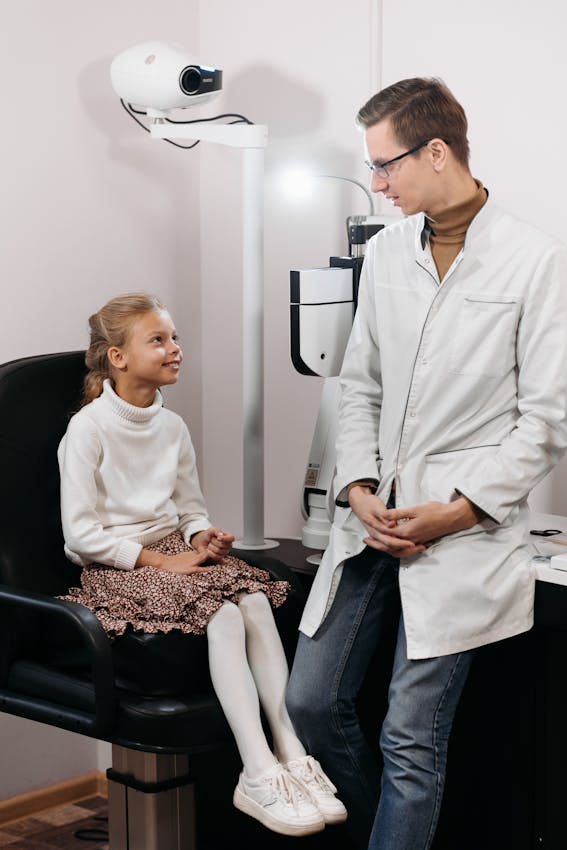
Congenital Ptosis Surgery
Surgery to lift a congenitally drooping upper eyelid in children so that the visual field opens and normal visual development can proceed.
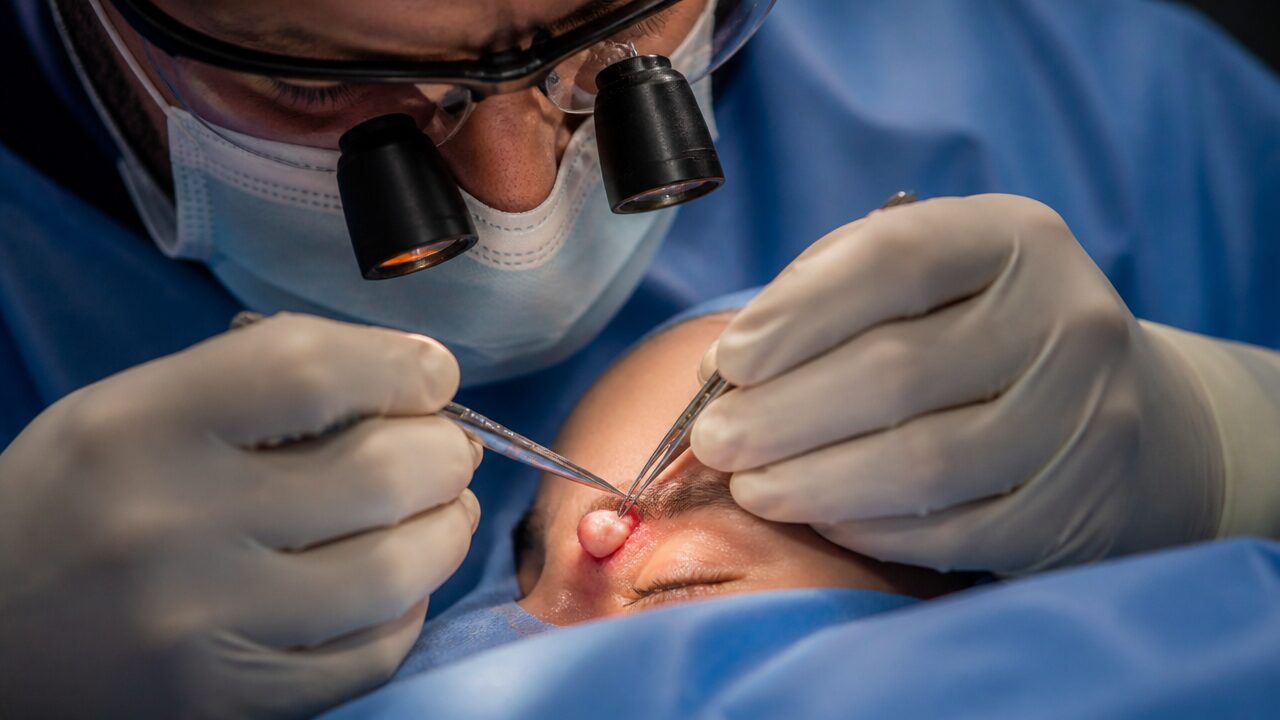
Dermoid Cyst Excision
Complete surgical removal of a usually benign dermoid cyst around the eye to relieve cosmetic and functional problems and prevent regrowth.