Good sleep may be the most wonderful medicine we give our bodies. Here we explain why sleep matters, what to avoid, and what to do for restful, restorative nights.
Ultraviolet rays can harm the eye over both the short and long term. Here we explain what affects UV intensity, how it damages the eye, and how to protect yourself.
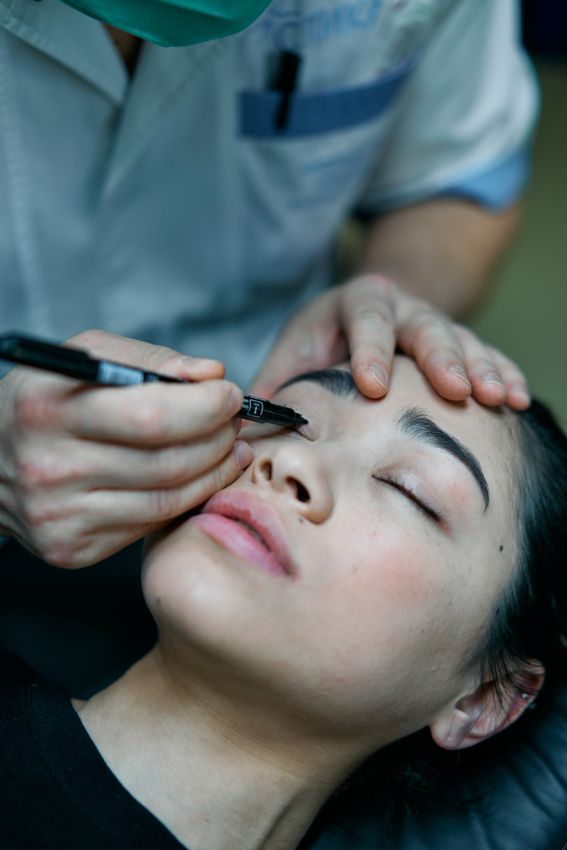
Upper-lid blepharoplasty corrects sagging, puffiness and excess skin on the eyelid for both aesthetic and functional reasons. Here we explain why the lid droops, who the surgery suits and how the process works.
The macula may be the eye structure most affected by diet. Here we explain which foods and vitamins can help slow age-related macular disease.
Addiction cannot be described as a simple habit; it is a state that has crossed the line of habit and gone out of control. This week we look at its psychological roots.
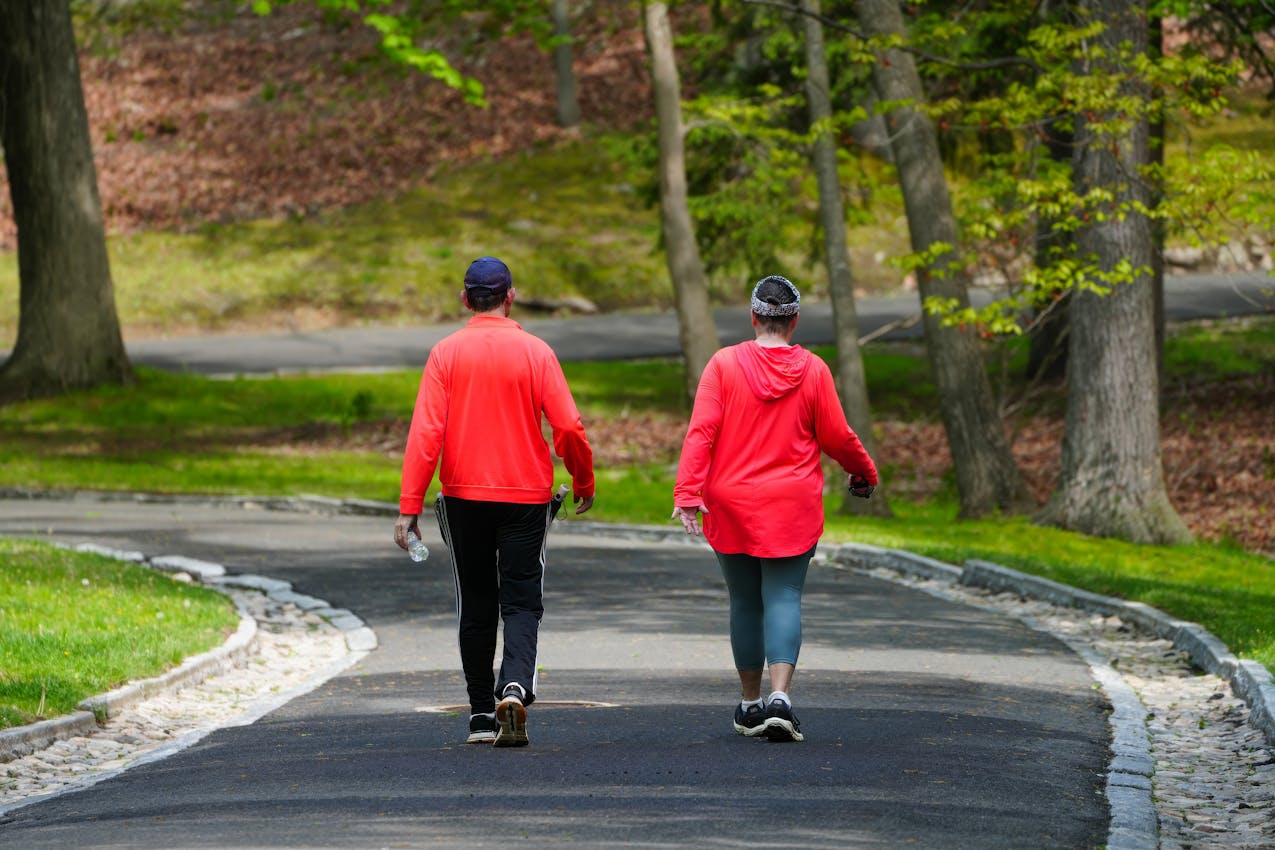
The human body is designed to walk. Walking is not just an exercise but a natural renewal mechanism that reorganizes nearly every system in the body.
The sunglasses that protect your eyes are not simply the stylish ones. As an eye doctor, I want to explain in plain language the five critical things to look for when choosing a pair.
A strong immune system is not built overnight; it is laid down brick by brick through balanced daily habits. Here is what to avoid and what to do to keep your defenses strong.
Although every body is different, following universal principles for healthy eating is the key to a healthy and long life. We share some of the basic principles of nutrition.