
Nutrition for a Strong Immune System
The real arsenal of our immune system comes from the kitchen. Rather than a "miracle food list," it is better to think of it as a lifestyle pattern of eating that supports immunity.
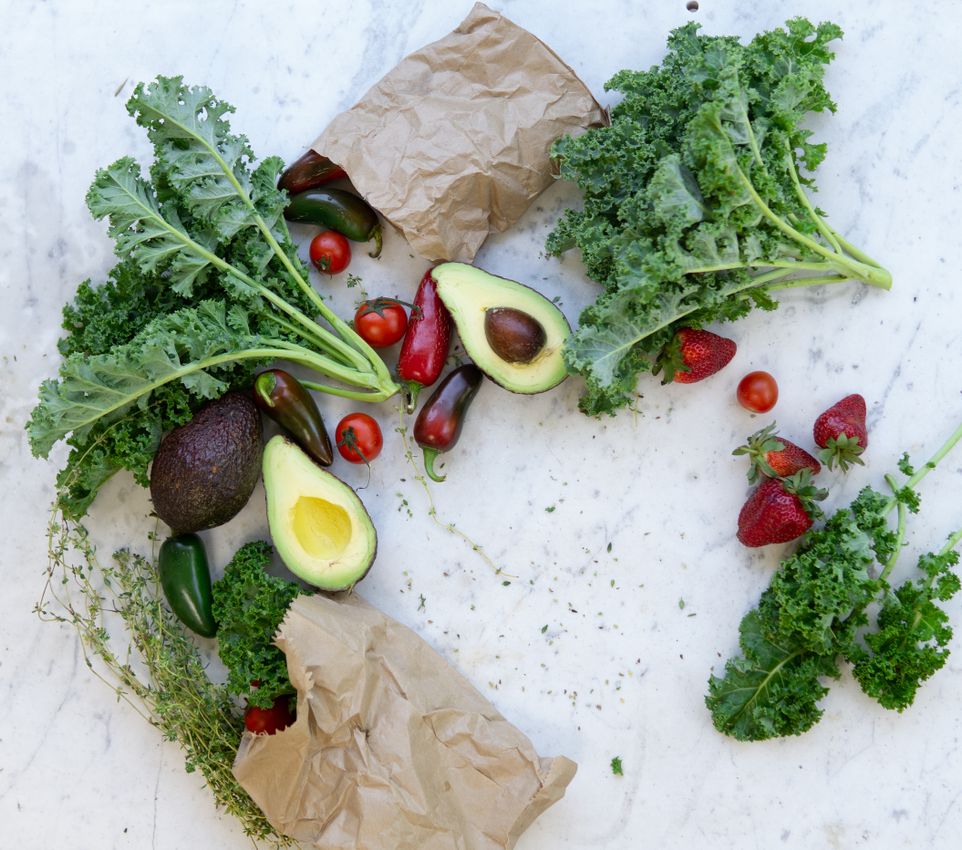
The real "arsenal" of our immune system comes from the kitchen. What we eat, how much, how often, and what kind of general eating pattern we keep affect both how prone we are to catching the flu and how we get through the illness. It is more correct to think of this not as a "miracle food list" but rather as a lifestyle eating model that supports immunity.
The immune system and the gut
A significant portion of our immune cells (about 60%) is found around the gut. That is, every bite we eat actually passes right through the middle of our immune system. A healthy gut environment protects the gut wall, supports the balance of beneficial bacteria (the microbiota), and plays a role in training immune cells. When the microbiota is disrupted (highly processed food, too much sugar, frequent antibiotic use, a low-fiber diet), low-grade inflammation in the body increases, the defense system starts working both more slowly and more erratically, sensitivity to all kinds of illness rises, and bodily resistance falls. That is why, when we speak of nutrition for immunity, rather than saying "eat this, eat that" item by item, we need to talk about a gut-friendly, regular eating model.
The basic principle: a colorful, natural, balanced plate
The more color, the more variety of vitamins and antioxidants. The more natural, the fewer unnecessary additives. The more balanced, the more stable the immune system. What does this mean in practice? Every day: plenty of vegetables (especially dark green, red, orange: spinach, broccoli, carrot, pepper…); fruit (without overdoing it, 2–3 portions; ones rich in vitamin C such as apple, orange, mandarin, kiwi, pomegranate); adequate protein (eggs, fish, chicken, legumes such as chickpeas, lentils, dried beans, yogurt, cheese); healthy fats (olive oil, avocado, walnut, almond, hazelnut, and omega-3-containing fish such as sardine, salmon, mackerel, anchovy); and high fiber (whole grains, oats, vegetables, fruit, and legumes). This kind of diet provides the vitamins, minerals, antioxidants, and amino acids the body needs, giving immunity its basic "elements."
Some foods and nutrients important for immunity
1. Vitamin C: It supports the work of the white blood cells (leukocytes) and protects cells with its antioxidant effect. A high-dose supplement every day is not essential; but foods that regularly contain vitamin C provide good support. Especially during the flu season, consuming foods containing vitamin C every day is useful. Where it is found: orange, mandarin, lemon, kiwi, strawberry, pomegranate, pepper, broccoli, parsley, arugula.
2. Vitamin D: Its deficiency carries a risk of susceptibility to respiratory tract infections and a more severe disease course. Vitamin D levels often fall in people who cannot benefit enough from the sun, who work indoors, or who live through the winter months. Where it is found: sunlight, oily fish, fortified dairy products. Since in most people diet and sun alone are not enough, if there is a deficiency a supplement may be needed under a doctor's supervision.
3. Zinc and other minerals (iron, selenium, and vitamin A): Zinc is very important for the multiplication and proper functioning of immune cells. Where it is found: organic red meat, turkey, chicken, eggs, pumpkin seeds, cashews, almonds, chickpeas, lentils, salmon, sardine.
4. Probiotics and prebiotics: friends of the gut: Foods that support the gut flora also indirectly strengthen immunity. Probiotics: yogurt, kefir, some fermented products (homemade tarhana, pickles, fermented turnip juice, watch the salt, boza, and so on). Prebiotics ("food" for the gut bacteria): onion, garlic, leek, okra, banana (especially the slightly greenish ones), oats, whole grains, artichoke, Jerusalem artichoke, and so on. A constant diet heavy in high-sugar, very fatty, packaged products disrupts the balance of beneficial bacteria and weakens immunity.
5. Polyphenols: Polyphenols are found abundantly in plant foods. They strengthen the immune system and general health, and also help nourish the beneficial bacteria in our intestines. Thanks to these effects they reduce inflammation. They also strengthen our immunity, making us more resistant to illness. So what happens when we consume polyphenols? Our body is encouraged to run its own defense mechanisms more intensively. It increases the production of antioxidant enzymes, which in turn open detox pathways and help the mitochondria and DNA repair. Where they are found: green tea, dark chocolate, citrus fruits, apple, kiwi, strawberry, grape seed.
6. Other immune-friendly foods: Spices such as ginger, turmeric, cinnamon, and red pepper; black cumin; omega-3-containing flax and chia seeds; and herbal teas such as elderberry and echinacea…
The first 4 signs of a weak immune system
The first 4 signs of a weak immune system are: getting the flu and colds frequently, slowly healing wounds, bouts of diarrhea and constipation, and chronic fatigue.
To protect our immune system, it is worth looking at the kitchen before going to the pharmacy. Enough sleep, a balanced plate, less stress, and a bit of movement… Perhaps these are the strongest "medicines" for protecting against the flu.
Frequently asked questions
Which foods best support immunity and retinal health?
Vitamin C–rich fruits, leafy greens (lutein, zeaxanthin), oily fish (omega‑3), zinc, adequate protein and probiotic foods. Lutein/zeaxanthin and omega‑3s specifically benefit the macula and retinal integrity.
Should I take supplements to boost immunity or protect my eyes?
Supplements should be individualized. For certain retinal conditions (eg, AMD) AREDS/AREDS2 formulas are evidence‑based but require retina specialist guidance. Avoid indiscriminate high‑dose supplements without medical advice.

A Guide to Good Sleep
Good sleep may be the most wonderful medicine we give our bodies. Here we explain why sleep matters, what to avoid, and what to do for restful, restorative nights.

Ultraviolet Light and Its Harm to the Eye
Ultraviolet rays can harm the eye over both the short and long term. Here we explain what affects UV intensity, how it damages the eye, and how to protect yourself.

Upper Eyelid Aesthetics (Blepharoplasty)
Upper-lid blepharoplasty corrects sagging, puffiness and excess skin on the eyelid for both aesthetic and functional reasons. Here we explain why the lid droops, who the surgery suits and how the process works.