
What to Eat When You Have the Flu
Once you have the flu the virus is already in your body, but there is still a lot we can do with nutrition to shorten recovery and prevent a worsening. Here is how to eat when you are ill.
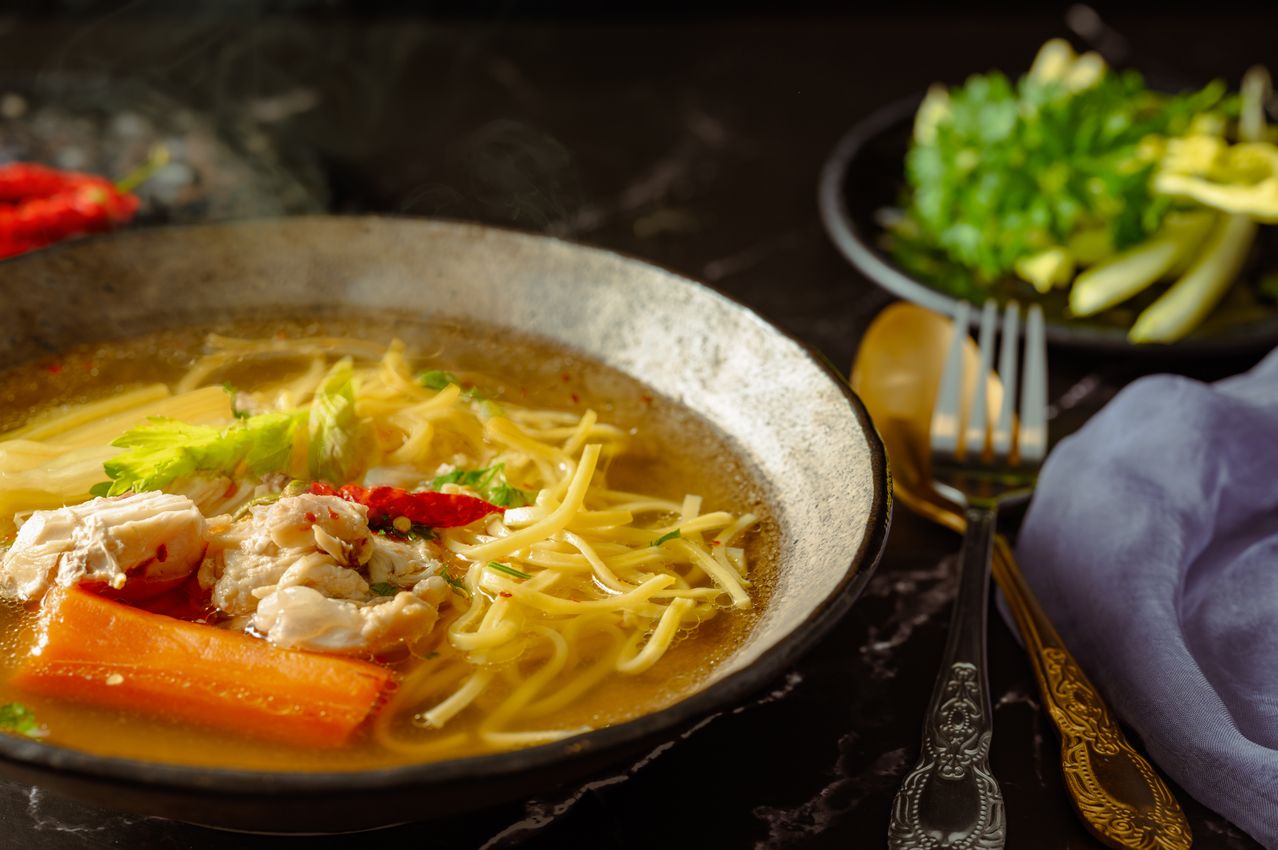
How should we eat when we have the flu?
Once you have the flu, the virus is now in our body. But even so, there are things we can do with nutrition to shorten the recovery time and prevent a worsening.
Plenty of fluids
Water, linden tea, green/black tea, sage, mint-lemon, echinacea, hibiscus, and rosehip herbal teas, chicken-broth soup… Replacing the fluid loss that increases with fever thins the secretions in the respiratory tract, soothes the throat, reduces general malaise, balances body temperature, and prevents headache.
High but light protein
Light but high-protein meals such as soup with yogurt, chicken, fish, eggs, and lentil soup support tissue repair and the immune response. Overly fatty, fried, heavy meals put an extra load on a digestive system that is already tired.
Small but frequent meals
Appetite generally decreases. Instead of large meals, eat little and often. Eating in the form of soup, fruit, yogurt, and light main meals lets the body devote its energy to defense rather than to "wrestling with digestion."
Foods rich in vitamins and antioxidants
During the flu, inflammation increases and cells are exposed to oxidative stress. In this period, foods rich in vitamins and antioxidants play a supporting role. Vitamin C sources: orange, mandarin, kiwi, strawberry, pomegranate, pepper, broccoli, parsley, arugula. Vitamin A and beta-carotene: carrot, pumpkin, spinach, green leafy vegetables. Vitamin E and healthy fats: olive oil, avocado, walnut, almond, hazelnut. Quercetin: apple, fleshy forest berries, the broccoli family, and also grapes, onion, green tea, olive oil, parsley, sage, honey.
Real (but organic) food should come before supplement pills
Without overdoing it, making plates of colorful vegetables and fruit is most of the time enough. For someone who eats a healthy, balanced diet and has no special illness, there is no miracle multivitamin on its own. It is possible to meet most needs with real food. But if there is a proven deficiency such as vitamin D, B12, iron, or zinc, taking a supplement under a doctor's supervision is also important for immunity. So the real goal is: "If there is a deficiency, correct it; if not, don't chase a miracle capsule; fix your plate."
Instead of "let me get an IV drip and get back on my feet": home care + proper nutrition
A reflex we often see in society: "Let me get an IV drip and come to myself." Yet in many mild-to-moderate flu cases, adequate fluid intake, adequate rest, the medications the physician recommends, and a regular, light diet are a more effective and more physiological support than an IV drip. An IV is of course necessary in some situations; but rather than seeing it as a "magic solution," supporting the body's own healing power with nutrition and rest is a more correct approach.
Abandon the eating habits that weaken immunity
Doing these not occasionally but constantly turning them into a habit weakens immunity: excessive sugar consumption (sweets, pastries, ready-made fruit juices, and fizzy drinks); constantly eating fast food / packaged food; skipping meals and then overloading in a single meal; chronic low-calorie, unbalanced diets.
Don't reach for antibiotic pills every time you get a fever
Those pills and syrups you use unnecessarily are like hand grenades thrown at the probiotic power in your intestines. The flu is a viral infection; antibiotics are effective against bacteria. Unnecessary antibiotics disturb the gut flora, have side effects, and cause antibiotic resistance.
Protection against the flu through nutrition in 7 points
Make a colorful plate every day: green (spinach, arugula, broccoli), red (tomato, pepper), and orange (carrot, squash) vegetables plus 2–3 portions of fruit. Get enough protein: eggs, yogurt, fish, chicken, legumes; make sure there is protein in one or two main meals every day. Don't forget to drink water: 1.5–2 liters a day; it should not decrease even in winter, and instead of too much tea and coffee, increase water and herbal tea. Eat in a probiotic-friendly way: support your gut flora with yogurt, kefir, fermented foods, and fibrous foods. Reduce sugar and packaged foods: daily sweets, pastry, and ready-made snacks are "small sabotages" of immunity. Stay away from alcohol and cigarettes: they weaken throat and lung defenses and prepare the ground for infection. Have your missing vitamins and minerals checked: especially vitamin D, B12, iron, and zinc levels; if they are low, replace them together with your physician.
In my next article I will talk about immune-friendly foods and nutrition in general.
Frequently asked questions
What should I eat when I have the flu?
Prioritize hydration and electrolytes, warm broths, easy-to-digest lean proteins, fruits high in vitamin C, whole grains and small frequent meals to maintain calories and protein.
Can nutrition affect my eyes during illness?
Yes—dehydration, poor glycemic control and systemic inflammation can affect retinal conditions. Maintain hydration, metabolic control, continue eye meds and contact your retina team if vision changes.

A Guide to Good Sleep
Good sleep may be the most wonderful medicine we give our bodies. Here we explain why sleep matters, what to avoid, and what to do for restful, restorative nights.

Ultraviolet Light and Its Harm to the Eye
Ultraviolet rays can harm the eye over both the short and long term. Here we explain what affects UV intensity, how it damages the eye, and how to protect yourself.

Upper Eyelid Aesthetics (Blepharoplasty)
Upper-lid blepharoplasty corrects sagging, puffiness and excess skin on the eyelid for both aesthetic and functional reasons. Here we explain why the lid droops, who the surgery suits and how the process works.