
How to Protect Yourself from the Flu
We cannot reduce the flu to zero, but we can seriously lower the risk of catching it and of a severe course. Here we bring together science-based, everyday-practical advice.
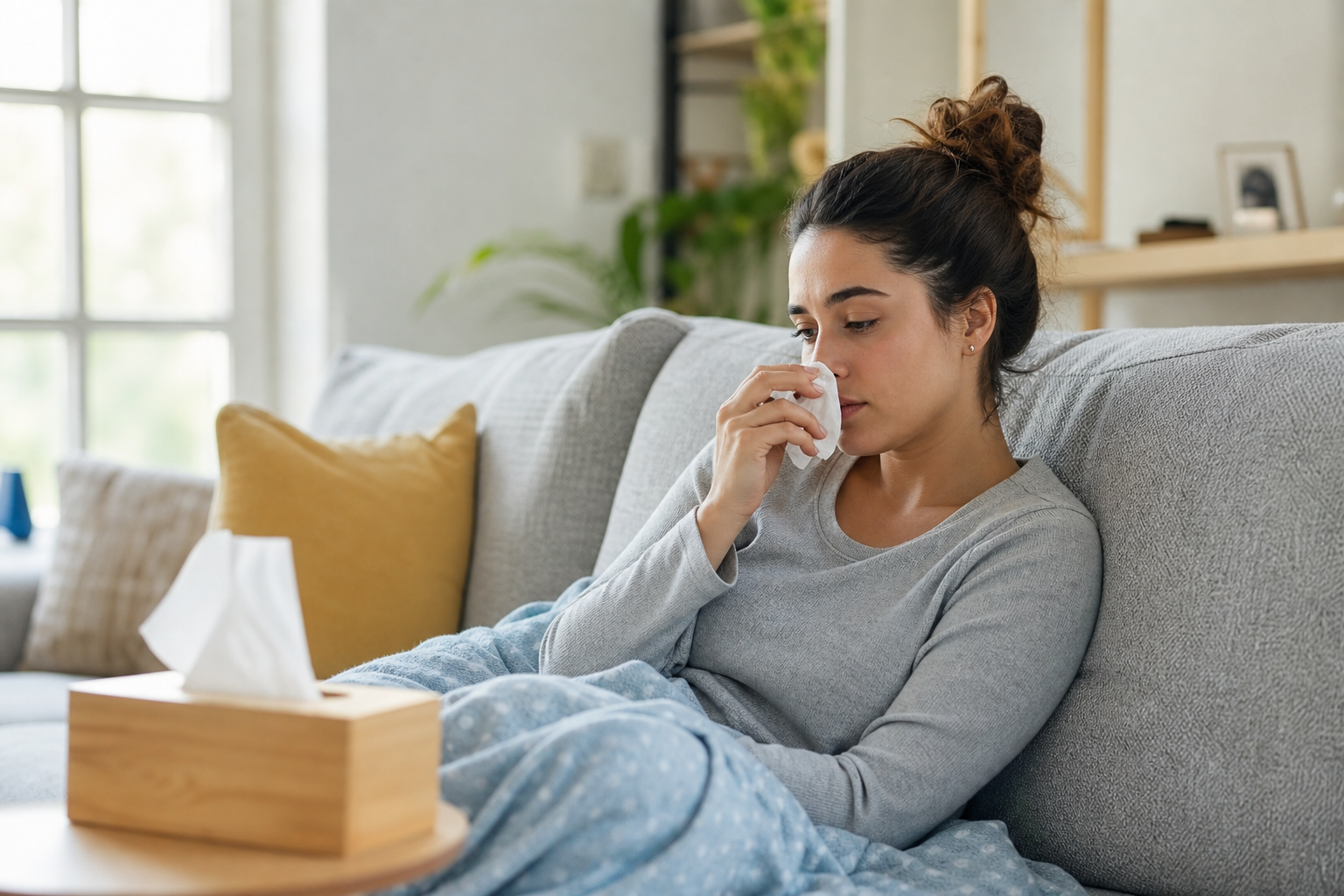
Influenza, what we call the true flu, is a serious infection that can carry a risk of pneumonia, intensive care, and even death, especially in older people, those with heart and lung disease, pregnant women, and people with chronic illness.
The good news is this: it is not possible to eliminate the flu entirely, but it is possible to seriously reduce both the risk of transmission and the chance of a severe course. Let us bring together advice that is both based on scientific evidence and applicable in daily life.
How does the flu spread? (Why does it spread so fast?)
The influenza virus spreads through droplets scattered during coughing, sneezing, and talking, meaning that just being in the same environment as someone with the flu can be enough to take in the virus. It also spreads by touching contaminated surfaces (door handles, phones, public-transport rails, money, and so on) and then touching the mouth, nose, or eyes.
A sick person starts being contagious even while their throat is only mildly sore; the virus can spread even before fever appears. Schools, daycare centers, public transport, and closed, crowded offices are a true "transmission highway" for the flu. That is why protection is not just about "taking vitamins"; the chain of transmission must be broken.
1. The flu vaccine: the strongest ring of protection
Every year we hear the sentence "My flu was very severe this season." The reason is that the influenza virus changes a little each season. That is why the flu vaccine is also updated again every year for that season.
Who should definitely get it? The World Health Organization and the health authorities of many countries recommend the vaccine first to these groups: people over 65; people with chronic heart, lung, kidney, or liver disease; people with diabetes; people with a weak immune system (those using cortisone, chemotherapy, and so on); pregnant and postpartum women; healthcare workers; and people living or working in care homes.
In these groups the vaccine reduces the risk of catching the flu, markedly lowers the risk of hospitalization and a severe course even if one does catch it, and reduces the risk of pneumonia and death. If you are saying "I am young and healthy, do I really need it?", the vaccine also reduces the chance of getting the flu in young and healthy people, and forms a protective barrier especially for those who live with an elderly or chronically ill person at home.
Yes, there is no 100% protection; but no vaccine works on the logic of "either you don't get sick or it is useless." In a vaccinated person the illness runs a milder course, lasts a shorter time, and the risk of complications is lower. Especially for healthcare workers, teachers, and people who work in communal settings, we can think of it as a responsibility to protect both oneself and those around us.
2. Handwashing and hygiene: simple but effective
The cliché "the simplest precaution works best" is true here. Why is it so important? Viruses easily contaminate our hands, phone screens, computer keyboards, and elevator buttons, and they can stay alive for hours. Some people touch their face often, constantly scratch their nose, and rub their eyes; in such people the virus is transmitted more easily.
What should you do? Wash your hands often, with water and soap for at least 20 seconds, especially when you get home, before preparing food, and after using public transport. If there is no soap, use a hand sanitizer containing at least 60% alcohol. When you are out, after touching surfaces such as elevator buttons, card readers, and door handles, try not to bring your hand to your face, and touch with the parts of your hand or finger that touch your face less, rather than with your fingertips. As simple as it seems, studies show that hand hygiene significantly reduces respiratory tract infections.
3. Masks and distance: lifesaving especially during outbreaks
We learned to use masks during the COVID period, but they apply to the flu too. If you know you are ill (cough, fever, sore throat) and you have to enter communal areas, wearing a mask is both a courtesy and scientifically very correct. Public transport, hospitals, and crowded indoor settings may from time to time call for mask use. Many studies show that the combination of mask plus hand hygiene is far more effective than the mask alone.
4. When ill, "staying put" matters
There is a very common reflex in Turkey: "Let me get an IV drip and go to work, I can't lie in bed." Yet going to work while you have the flu, or sending a sick child to school, both delays your own recovery and multiplies how contagious you are. As much as possible: rest until the fever has been down for 24 hours and your general condition has improved, stay home when possible in closed settings, and it is important to reduce close contact with other family members at home (the same glass, towel, coughing at close range).
5. Sleep, nutrition, stress: the ground of immunity
The immune system is not just a single vitamin pill; it is a "lifestyle package." Insufficient sleep (especially under 6 hours) significantly increases the risk of catching an upper respiratory tract infection. Excessive stress raises cortisol levels and impairs the function of immune cells. An unbalanced diet, too much sugar, too much processed food, also increases inflammation and weakens the defense system.
There is no miracle food; but a diet rich in colorful vegetables and fruit (vitamin C, antioxidants), adequate protein (the building blocks for immune cells), omega-3 sources (fish, walnuts, and so on), and moderate exercise such as regular, brisk walking are factors that "strengthen the ground" against many infections, including the flu.
In my next article I will give more information about the flu and other upper respiratory tract illnesses and try to explain why some people catch illness easily while others are more resistant.
Frequently asked questions
What practical steps reduce flu risk in daily life?
Regular hand hygiene, mask use in crowded/poorly ventilated spaces, good ventilation, staying home when ill, and avoiding close contact with symptomatic people significantly lower transmission.
I have a retinal condition or planned vitreoretinal surgery—what should I know about flu vaccination and timing?
Annual inactivated influenza vaccination is recommended; elective vitreoretinal surgery should be postponed with active influenza or fever. Coordinate vaccine and surgical timing with your retina specialist, especially if on immunosuppressants.

A Guide to Good Sleep
Good sleep may be the most wonderful medicine we give our bodies. Here we explain why sleep matters, what to avoid, and what to do for restful, restorative nights.

Ultraviolet Light and Its Harm to the Eye
Ultraviolet rays can harm the eye over both the short and long term. Here we explain what affects UV intensity, how it damages the eye, and how to protect yourself.
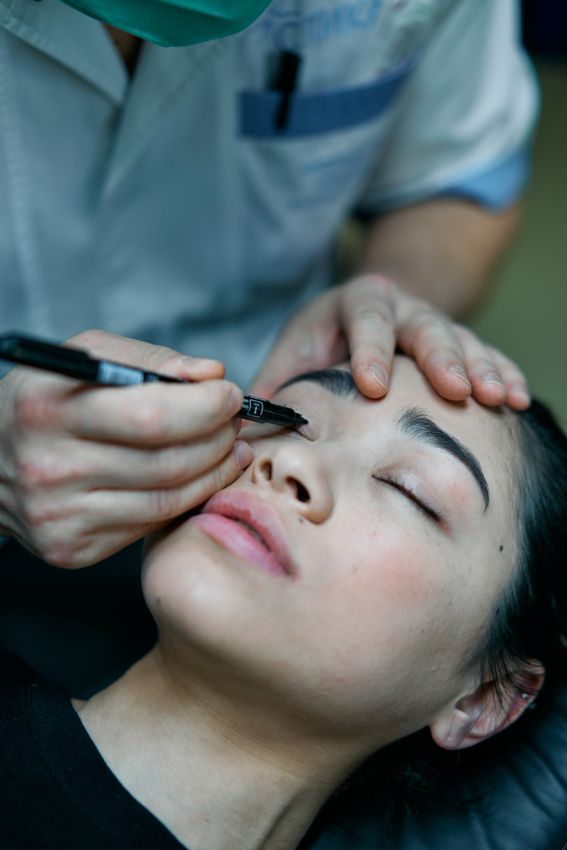
Upper Eyelid Aesthetics (Blepharoplasty)
Upper-lid blepharoplasty corrects sagging, puffiness and excess skin on the eyelid for both aesthetic and functional reasons. Here we explain why the lid droops, who the surgery suits and how the process works.