
Why We Catch the Flu So Easily
The same virus does not make everyone equally sick. The difference is shaped by viral load, the strength of our nose-and-throat barriers, past immunity, genetics, age, sleep, stress, and diet.

Among the public, "the common cold" and "the flu" are often confused. A cold runs a milder course: a runny nose, mild throat soreness, mild malaise. The flu (influenza) usually comes with a suddenly starting high fever, severe muscle and joint pains, marked exhaustion, and a dry cough.
When you should see a doctor
You should see a doctor in cases of shortness of breath, chest pain, high fever lasting longer than 3–4 days, confusion, severe headache; if you are over 65; if you have chronic illnesses such as heart disease, COPD, asthma, diabetes, or kidney disease; or if you are pregnant. In these groups antiviral medications (such as oseltamivir) may sometimes be considered in the early period; this decision must always be made by a physician.
Antibiotics do not work against the flu
An important mistake: "Doctor, I have the flu, could you prescribe an antibiotic so it passes quickly..." The flu is a viral infection; antibiotics, on the other hand, are effective against bacteria. Unnecessary antibiotics disturb the gut flora, increase the risk of side effects, and, most importantly, cause antibiotic resistance. An antibiotic is given only when a complication such as bacterial pneumonia, sinusitis, or middle-ear infection is suspected on top of the flu, with the doctor's assessment.
Why are some people more vulnerable to the flu?
Some people catch the flu easily. There are even people who have several flu-like infections a year. Of course, the viral load we take in when we catch the illness is very important, but with the same viral load one person may get sick while another does not. A person standing side by side at very close range, for a long time, in a closed environment takes in a higher viral load; a person who stays in the same room for a few minutes and leaves may take in a much lower viral load. And some people go through the flu very severely, while another shrugs it off on their feet with mild symptoms.
Everyone's bodily defense barriers are different
The virus first meets the upper respiratory tract barriers: the nasal mucosa (dryness / moisture), the hairs, the mucus, the ciliary movement in the throat and bronchi, the tears, the nasolacrimal flow, and so on. In someone who smokes, has chronic allergies, or constantly walks around with a blocked nose, these barriers are weaker; in someone who exercises regularly, does not smoke, and has a "healthier" mucosa, the virus finds it harder to take hold.
The experience of the immune system is an important factor
In people who have previously had an infection with that strain of the virus, or who have been vaccinated, defense-system cells stand ready in the body; the moment the virus is taken in, they meet an enemy they recognize, respond much faster, and the virus can be suppressed before it has a chance to multiply. As a result, this person either shows no symptoms at all (asymptomatic), or gets through it with "mild malaise, 1–2 days of throat soreness."
Genetic / inborn differences and the natural defense response are not the same in everyone
In some people the immune response is genetically very fast and strong; the virus is suppressed from the very start. In others, certain different inborn elements of the immune system give them an advantage. We do not routinely see these genetic differences with a test, but in the clinic they show up like this: people of the type "I work cheek by jowl with everyone in the hospital and I almost never get sick," and, in the same environment, people who "go down with every virus." These are usually individual differences in the speed and quality of the natural immune response.
Age, chronic illness, and medications play a role in getting sick easily
Advanced age, certain illnesses that lower immune resistance (diabetes, heart disease, COPD, kidney disease, obesity), and certain medications (cortisone, immune-suppressing drugs) can cause the illness to run a more severe and complicated course.
Sleep, stress, nutrition, and lifestyle can determine whether you get sick
In susceptibility to infections, insufficient sleep, intense chronic stress, an unbalanced diet, and physical inactivity weaken the body's immune system. That is why healthcare workers coming off a night shift, students in exam periods, and people who work day and night may get sick more easily when exposed to the same virus.
Not everyone who takes in the same virus gets sick in the same way. The difference is determined by the amount of virus we take in, the strength of our nose-and-throat barriers, the immunity we gained against that virus in the past, our genetic makeup and immune inheritance, our age, our sleep–stress balance, our eating habits, and the medications we use. In short, the virus may be the same, but our bodies and immune systems are not the same.
In my next article I will talk about nutrition recommendations for the flu.
Frequently asked questions
Why do some people catch the flu more easily than others?
Susceptibility depends on viral exposure dose, the integrity of nasal–throat barriers, prior immunity, genetics, age, sleep, stress and nutrition. Vaccination, hand hygiene, good sleep and nutrition reduce risk.
Can the flu affect my eyes or retina?
Influenza commonly causes conjunctivitis and systemic inflammation; direct retinal involvement is rare but possible in severe or secondary infections. If you have retinal disease or notice visual changes, consult your retina specialist promptly.

A Guide to Good Sleep
Good sleep may be the most wonderful medicine we give our bodies. Here we explain why sleep matters, what to avoid, and what to do for restful, restorative nights.

Ultraviolet Light and Its Harm to the Eye
Ultraviolet rays can harm the eye over both the short and long term. Here we explain what affects UV intensity, how it damages the eye, and how to protect yourself.
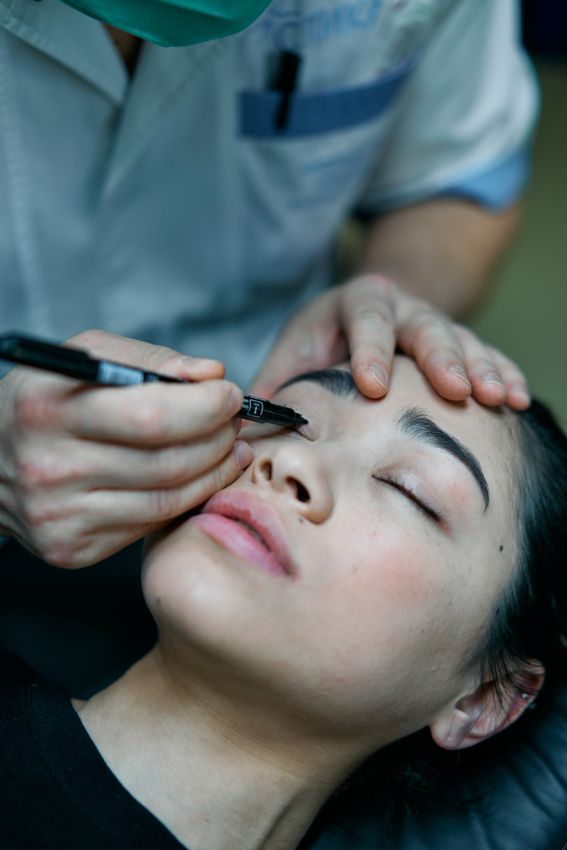
Upper Eyelid Aesthetics (Blepharoplasty)
Upper-lid blepharoplasty corrects sagging, puffiness and excess skin on the eyelid for both aesthetic and functional reasons. Here we explain why the lid droops, who the surgery suits and how the process works.