
Prescriptions Should Say "Spend More Time with Friends"
A large scientific study of more than 300,000 people found that people with strong social ties live considerably longer than those who live alone and disconnected. Friendship, it turns out, nourishes not only the soul but the heart and the immune system too.

Prescriptions Should Say "Spend More Time with Friends"
In a large scientific study involving more than 300,000 people, it was shown that people with strong social relationships have about a 50 percent greater chance of survival than those who live alone and disconnected. The studies found that those with fewer than 4 friends and companions developed more heart disease and stroke, and that, accordingly, their life expectancy was lower. Wide-ranging research emphasises that social isolation raises the risk of death to a level close to that of smoking 15 cigarettes a day. While the rate of depression falls in older people who spend more time with their friends, depression is seen frequently in those who are lonely, have poor social relationships and are far from their friends. Research has also shown that those with strong bonds of friendship have fewer memory problems, fewer age-related sleep troubles and less fatigue. If you have sound and strong bonds of friendship, you not only age well; you live more healthily at every age.
With friendships it becomes easier to cope with the stress of working life, and your chances of staying clear of stress-related health problems increase, because time spent with friends creates a sense of calm and relaxation in our bodies. When we are in contact with our loved ones, or when we hug them or tell them our troubles, our brain releases the hormone oxytocin. This hormone is popularly called the "love or attachment hormone." Oxytocin suppresses stress hormones, reduces muscle tension, regulates the heart rate and, as a result, makes us feel calmer and safer. In addition, sincere conversations and joyful times spent with friends increase happiness hormones such as serotonin and dopamine. In a person who stays alone for a long time and isolates themselves from society, the brain first perceives things as if there were a constant "threat." The stress hormone cortisol rises in the blood. The pulse increases, blood pressure tends to rise. Markers of inflammation in the body increase; this prepares an unfavourable ground for the heart, the blood vessels and the immune system, and ultimately damages health.
Strong bonds of friendship prevent anxiety and lift the sense of security. Especially as we age, gathering with more people, tightening ties with friends and companions, spending more time with the young and with children, taking on different duties in support and aid organisations, and socialising more often are as important a prescription for ageing well as sleep, nutrition and an active lifestyle.
Look at the irony: at no other time have we had as many "followers," "groups" and "channels of communication" as we do now. Yet despite this, the world speaks of an epidemic of loneliness. Thankfully, we live in a society where communication is easily established, where people love to form strong bonds and relationships and enjoy contact such as touching and hugging. We should look for opportunities not to remain alone and should build friendly, sincere relationships with people. The former mufti of Çorum, İbrahim Acar, used to say: "Friendships are like flowers; if they are not watered now and then, they wilt and finally dry up." Good friendships do good for both body and mental health. My father, Dr. Mehmet Çağlar, after a pleasant chat with friends, always said, "It is as if I have eaten a jar of honey."
A sincere meeting with friends is like a "medicine" that nourishes not only the soul but the heart and the immune system too. If your doctor does not write this medicine on your prescription, be sure to apply it yourself.
Frequently asked questions
How do social relationships affect longevity?
They reduce chronic stress and inflammation and improve cardiovascular and immune function—mechanisms that also protect retinal microvasculature and support surgical recovery.
Should doctors 'prescribe' spending time with friends?
Yes. Social prescriptions can complement medical care. For retina patients, social support improves treatment adherence, rehabilitation outcomes and emotional recovery.

A Guide to Good Sleep
Good sleep may be the most wonderful medicine we give our bodies. Here we explain why sleep matters, what to avoid, and what to do for restful, restorative nights.

Ultraviolet Light and Its Harm to the Eye
Ultraviolet rays can harm the eye over both the short and long term. Here we explain what affects UV intensity, how it damages the eye, and how to protect yourself.
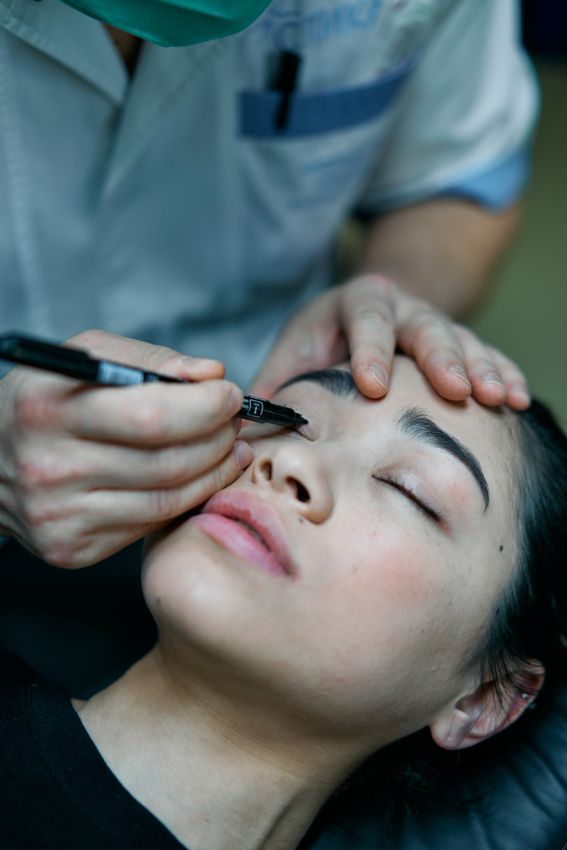
Upper Eyelid Aesthetics (Blepharoplasty)
Upper-lid blepharoplasty corrects sagging, puffiness and excess skin on the eyelid for both aesthetic and functional reasons. Here we explain why the lid droops, who the surgery suits and how the process works.