
Tips for People with Dry Eyes
Dry eye is a condition in which tear production is insufficient or tear quality is impaired, and it has become much more common in the age of screens. Here we explain what it is, why it happens, and practical steps that ease the complaints.

What Is Dry Eye?
Dry eye is a condition in which the production of the tears that moisten and protect the surface of the eye is insufficient, or the quality of the tears is impaired. Tears are important for eye health; they protect and moisten the surface of the eye and provide clear vision. But if tears are not produced in sufficient amount or their quality is low, dryness develops in the eyes. This is a condition that disturbs eye comfort and adversely affects quality of life. Accordingly, people with dry eye experience difficulties in their daily activities and working lives.
What Are the Symptoms?
The symptoms of dry eye are a feeling of discomfort in the eyes, a stinging as if there were sand inside the eye, a burning as if hot pepper had been sprinkled in it, fluctuations in vision during the day and a feeling of discomfort in the eyes, sensitivity to light with pain and increased complaints in the face of light, and slight redness when it is very dry.
Why Does It Occur?
Dry eye used to be known as a disease that develops with ageing. In post-menopausal women especially, the tear gland produces less under the effect of hormones, causing dryness. But in recent years, with the increased use of digital screens such as phones, tablets and computers, dry eye is being diagnosed more often. During screen use our blink rate decreases markedly. While we normally blink 15 to 20 times a minute, when looking at a screen this number falls by half. The tears do not spread sufficiently over the surface and evaporate quickly. In addition, the frequent use today of allergy medicines with antihistamine effects, antidepressants, and diuretic blood-pressure medicines further increases the frequency. Offices with central ventilation, shopping malls, car and home air conditioners, and home environments where heaters and stoves reduce the room humidity and cause dry air all cause dry eye to increase further. Heavy cigarette smoke, polluted air conditions and dusty environments also increase dryness in the eye. Patients with eyelid inflammation called blepharitis experience more severe dry eye. Dry eye is also encountered more often with contact lens use and in eyes that have had laser. It can also be seen in diabetes, thyroid and rheumatic diseases.
Practical Tips for Those with Dry Eye
Make conscious blinking a habit. We blink little when looking at a screen, so while using a computer or phone, blink consciously (full, slow blinks without squeezing the lids). Take a break every 20 minutes and look into the distance for 20 seconds.
Use artificial tear drops regularly. The drops your doctor recommends keep the surface of the eye moist and reduce complaints. Regular use is more effective than using them only when there is a complaint.
Apply a warm compress to your eyelids. This helps the oil glands in the eyelids work better. Moisten a clean cloth with warm water (close to hot) and apply it to your eyelids, or to the area where eyeliner or pencil is applied, for 5 minutes.
Pay attention to eyelid hygiene. Have lid infections treated, and do not go to bed without removing your makeup.
Increase the humidity of the environment. Try not to stay under air conditioning for a long time. Use humidifier devices if necessary.
Drink plenty of water. The body's overall fluid balance also affects the tears. Take in enough fluid from sources such as vegetables, fruit and herbal tea rather than daily tea and coffee. Drink at least 2 litres of water.
Pay attention to nutrition. Some foods can improve tear quality. Foods containing omega-3 are beneficial (fish, walnuts).
Do not neglect your sleep routine. Insufficient sleep adversely affects the surface of the eye. 6 to 8 hours of quality sleep is important.
When Should You See a Doctor?
If complaints last a long time, if blurring of vision is increasing, or if there is constant redness in the eye, you should definitely consult an eye doctor.
Frequently asked questions
What commonly causes dry eye?
Common causes include reduced tear production, evaporative loss from meibomian gland dysfunction, prolonged screen use, medications, hormonal changes and systemic disease. Retina specialists ensure ocular surface issues are identified before retinal assessment or surgery.
What practical measures and treatments relieve symptoms?
Blinking exercises, 20-20-20 breaks, preservative‑free artificial tears, warm compresses and lid hygiene are first-line. For persistent cases: punctal plugs, topical immunomodulators (e.g., cyclosporine), IPL or autologous serum—tailored by a specialist, especially when retinal procedures are planned.

A Guide to Good Sleep
Good sleep may be the most wonderful medicine we give our bodies. Here we explain why sleep matters, what to avoid, and what to do for restful, restorative nights.

Ultraviolet Light and Its Harm to the Eye
Ultraviolet rays can harm the eye over both the short and long term. Here we explain what affects UV intensity, how it damages the eye, and how to protect yourself.
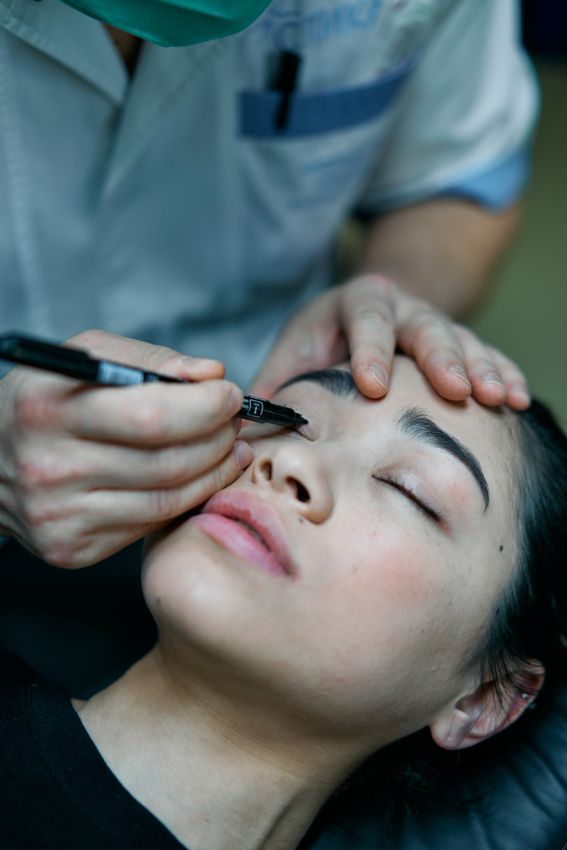
Upper Eyelid Aesthetics (Blepharoplasty)
Upper-lid blepharoplasty corrects sagging, puffiness and excess skin on the eyelid for both aesthetic and functional reasons. Here we explain why the lid droops, who the surgery suits and how the process works.