
Dry Eye
A common ocular surface condition in which the eyes do not produce enough tears or the tear quality is poor, leading to dryness, irritation and blurred vision.

What Is Dry Eye?
Dry eye is a condition in which the production of tears that moisten and protect the surface of the eye is insufficient, or the quality of the tears is impaired. Tears play a critical role in eye health; they protect the ocular surface, keep it moist and provide clear vision. However, if tears are not produced in adequate amounts or their quality is low, dryness, discomfort and vision problems can appear. Dry eye spans a wide spectrum: from a stage that simply causes discomfort and a feeling of unease during the day, all the way to a disease that can cause serious vision loss. In the early stages it shows mild symptoms related to a lack of tears, while in the advanced stages it becomes a condition that requires serious treatment.
What Is Dry Eye Syndrome?
Dry eye syndrome is a common eye disease that arises when the eye cannot produce a sufficient amount or quality of tears, causing discomfort, dryness and vision problems on the ocular surface. Tears are essential for keeping the eyes moist and protected. When tears are inadequate or evaporate too quickly, the ocular surface dries out, and this is what we call dry eye syndrome. The main reason it is called a syndrome is that dry eye cannot be explained solely by a lack or poor quality of tears; because it causes inflammation in the eye, increased osmolarity, an increase or decrease in certain substances, and some anatomical changes, it is in fact a complex group of diseases of the ocular surface.
Causes of Dry Eye
Dry eye can have many different causes, which can broadly be grouped into insufficient tear production, poor tear quality, and environmental or lifestyle factors.
Insufficient tear production: With ageing, tear production can decline and the eyes can become dry: this is especially common in people over the age of 50. During menopause, hormonal changes in women raise the risk of dry eye, linked to falling estrogen levels. Sjögren's syndrome, an autoimmune disease in which the immune system attacks the tear and salivary glands, impairs the function of the tear glands and leads to dry eye. Other systemic conditions such as diabetes, rheumatoid arthritis and thyroid disease can also negatively affect tear production.
Poor tear quality: Tears are made of oil, water and mucus. When the oil layer of the tears (produced by the meibomian glands) is deficient, tears evaporate too quickly and dryness develops. Meibomian gland dysfunction, in which these glands cannot produce enough oil or become blocked, is one of the most common causes of dry eye syndrome. Blepharitis, inflammation of the eyelid margins, can block the meibomian glands and reduce tear quality.
Environmental and lifestyle factors: Looking at a computer, tablet or phone screen for long periods reduces the blink rate and leads to tear evaporation. Dry environments, air-conditioned spaces and low humidity can dry out the eyes; the central ventilation found in shopping malls and office plazas contributes to the complaints of people who work there. Long exposure to sunlight can also reduce moisture on the ocular surface. Contact lens use can speed up tear evaporation and cause a feeling of dryness.
Other causes include allergies; pregnancy and the related hormonal changes; thyroid eye disease; and the use of medications and supplements including, but not limited to, psychiatric drugs, over-the-counter cold remedies, antihistamines, beta blockers, painkillers, sleeping pills, diuretics, hormone replacement therapy and oral contraceptives. Autoimmune disorders such as lupus and rheumatoid arthritis, chemical exposures or eye injuries, eye surgery, and neurological conditions such as stroke, Bell's palsy, Parkinson's disease and trigeminal nerve dysfunction can all play a role. Exposure keratitis can develop when the eyelids do not fully close during sleep (lagophthalmos). Refractive surgery (LASIK or PRK) can cause dry eye that is usually temporary but in some people becomes chronic. Infectious keratitis, including herpes simplex and herpes zoster keratitis, neurotrophic keratitis and vitamin A deficiency are further causes.
Symptoms of Dry Eye
Dry eye disease shows itself through uncomfortable symptoms that appear when the ocular surface loses its moisture and tear production decreases. People with dry eye often feel a constant stinging or burning in the eyes that is common when the eyes stay dry and can become more severe by the end of the day. There is a continuous feeling of dryness, because when tear production is inadequate the ocular surface cannot stay sufficiently moist.
Many patients feel as though there is sand or a small foreign body in the eye: a feeling that arises when there is not enough moisture on the surface. Dryness can cause excessive sensitivity to light (photophobia), and bright lights can increase burning and discomfort. The eyes may become red, because tear deficiency irritates the surface. Vision can become blurred; clarity may improve temporarily with blinking or drops, but the blur returns once the eyes dry out again.
The eyes tire more quickly, especially during activities such as long screen use, reading or driving: eye fatigue is a common sign of dry eye. Interestingly, excessive watering can also be a symptom: the eyes produce reflex tears in response to dryness, but because these tears usually evaporate quickly they do not provide lasting relief. Contact lens wearers may find their lenses uncomfortable, as lenses can speed up evaporation of the tear film. Finally, dryness can lead to a feeling of heaviness in the eyelids, linked to the eyes not being adequately moistened when you blink.
Dry eye symptoms can be worsened by various environmental and lifestyle factors. Prolonged computer use reduces blinking and dries the eyes. Air-conditioned rooms, heaters, windy or dry conditions, and the central ventilation of malls and offices all increase complaints. Some medications (antihistamines, antidepressants and blood-pressure drugs) can trigger dryness. Because dry eye can reduce quality of life, it is important to see an eye doctor when these symptoms are noticed.
Dry Eye Examination
When you come in with dry eye complaints, the eye doctor performs several tests to understand the causes of dry eye syndrome and to assess tear quality. These tests measure tear production, tear quality and how long tears remain on the ocular surface. The examination helps identify the cause of the discomfort and offer suitable treatment options.
The examination is comprehensive and can have several stages. First, the doctor takes a history of your symptoms: when you feel dryness, how long it lasts, whether you spend time in front of screens and whether you have other medical conditions. Your eyes are then examined under the microscope, evaluating the eyelids, tear glands and ocular surface for possible problems. The appropriate dry eye tests are applied, and based on the results the doctor creates a treatment plan, which may include artificial tear drops, warm compresses, meibomian gland massage or device-based treatments.
Dry Eye Tests
Several tests are used to diagnose dry eye syndrome and identify its causes. Through these tests, eye doctors can evaluate whether tear production is adequate, the quality of the tears and any damage to the ocular surface. Each test provides specific information for understanding the severity and type of dryness.
The Schirmer test measures the amount of tear production. A thin paper strip is placed inside the lower eyelid, and how much your tears wet the strip indicates your tear production; the test usually takes about 5 minutes. The wetting should generally be 10 mm or more; if it is low, tear production may be insufficient and dry eye may be diagnosed.
The Tear Break-Up Time (TBUT) test measures how long tears stay on the surface and how quickly they evaporate, assessing tear quality and the stability of the tear film. A special dye (fluorescein) is dropped into the eye, and under a blue light the doctor watches how long the tear film stays intact. The film should normally remain stable for at least 10–15 seconds; a shorter time suggests the tear film is unstable and a dry eye problem is present.
The meibomian glands secrete the oil component of the tear film, which prevents evaporation. When these glands do not work properly, tears evaporate quickly. The doctor examines the eyelids under the microscope to check whether the glands are blocked or dysfunctional, sometimes with the help of a special device. Meibography is a special imaging test that shows the structure and health of the meibomian glands; a special device is placed under the eyelids to image the glands and reveal any blockage or damage.
The tear osmolarity test measures the salt level in the tears. In people with dry eye the salt content can rise, so osmolarity is an important indicator of the severity of dryness. A small tear sample is analysed and a high salt level can point to dry eye. Lissamine green and Rose Bengal staining tests are used to detect damage on the ocular surface; these dyes stain damaged cells so the doctor can see the extent of injury and inflammation caused by dryness.
A tear reflex test measures how quickly and strongly the eyes produce reflex tears; a substance that triggers the reflex (often a menthol-containing solution) is applied near the eye and the response is observed. The InflammaDry test detects inflammation linked to dry eye by measuring the level of an enzyme called MMP-9 in the tears, which is known to rise in dry eye disease; high levels indicate inflammation on the surface. Based on all of these findings, the doctor builds an appropriate treatment plan, ranging from artificial tears, warm compresses and massage to punctal plugs and advanced treatments.
Dry Eye Treatment
Dry eye treatment aims to restore the moisture balance of the eye, support tear production and protect the ocular surface. Because dry eye syndrome ranges from mild complaints to serious discomfort, the treatment plan is different for each patient and depends on the cause and severity.
Artificial tear drops are the most common and effective method. They moisten the ocular surface, form a protective layer and relieve the feeling of dryness; many are available without a prescription. They can be used several times a day whenever dryness, stinging or burning begins. When frequent use is needed, preservative-free drops are preferred to avoid irritation.
Punctal (tear duct) plugs are small plugs placed in the tear ducts so that tears stay on the surface longer; by partly or fully blocking drainage, they keep more moisture in the eye. They are an effective option for patients with insufficient tears, especially in more serious cases where drops alone are not enough.
Warm compresses and eyelid massage improve the function of the meibomian (oil) glands. Soak a clean cloth in warm water and gently press it onto the eyelids; eyelid massage helps open blockages in the glands. This balances the oil layer of the tears and reduces evaporation, and is particularly helpful for patients with meibomian gland dysfunction. Omega-3 fatty acids, from fish-oil supplements or oily fish such as salmon and sardines, can support tear-gland function and reduce inflammation as a long-term measure.
Some cases need prescription medication. Steroid eye drops are used short-term to reduce inflammation, which can in turn help tear production; immunomodulator eye drops (such as Restasis or Cequa) are used to increase tear production and can be effective in chronic dry eye, although their effect usually appears after a few months. If you use medications that cause dryness (antihistamines, antidepressants, blood-pressure drugs or diuretics) you can discuss alternatives with your doctor.
Adjusting your environment also helps: humidifiers raise indoor moisture, protective glasses prevent evaporation in windy or outdoor conditions, and you should rest your eyes regularly during screen work. Reviewing your contact lens choice, choosing lenses suitable for dry eyes or shortening wearing time, and improving blinking habits all help. The 20-20-20 rule (every 20 minutes, look about 20 metres away for 20 seconds) rests the eyes. In serious cases, advanced treatments such as LipiFlow can clean the meibomian glands and improve the tear film.
Artificial (Synthetic) Tear Drops in Detail
Artificial tear drops moisten the ocular surface and relieve complaints such as dryness, stinging and burning. They provide the moisture the eyes need in dry eye syndrome and tear deficiency, are a simple and widely available treatment, and come in different formulations and contents that can be chosen according to the severity of the complaints. They are used especially when tear production is inadequate or tears evaporate quickly: in dry eye syndrome, after long screen use, for contact lens wearers, in dry or windy environments, and for eye fatigue after reading or computer use.
There are several types. Preserved drops contain small amounts of preservative so they last longer and resist bacterial contamination, but with frequent use the preservative can irritate the eye, especially in severe dry eye. Preservative-free drops, supplied as single-use vials, do not cause irritation and are safer for frequent use. Gel-form tears are thicker and stay on the eye longer, which makes them useful in more serious cases or at night, though they can cause temporary blurred vision. Oil-based (lipid) tears support the oil layer of the tears and prevent evaporation, which can be more effective in meibomian gland dysfunction, again with possible temporary blurring.
To use the drops correctly, wash your hands first, sit or tilt your head slightly back, gently pull down the lower lid, and place one drop on the eye without touching the bottle tip to your eye. Then close your eye and press lightly on the inner corner to stop the tears from draining away. You can use the drops as often as needed; preservative-free drops are better suited to frequent use. Side effects are uncommon: gel or oily drops can cause temporary blurring, preserved drops may cause mild burning or itching, and very rarely an allergic reaction can occur. If your complaints persist despite using artificial tears, or you have constant discomfort, see an eye doctor, as dry eye can be a sign of another health problem requiring further treatment. Artificial tears are safe for long-term use, and preservative-free drops in particular can be used frequently throughout the day.
Punctal Plugs in Detail
Punctal plugs are tiny devices placed in the tear duct (punctum) to treat dry eye. By partly or fully blocking the duct, they prevent tears from draining away too quickly, keep tears on the surface longer and so reduce dryness, burning and stinging. They are especially effective in patients with reduced tear production, such as dry eye syndrome, in contact lens wearers with dryness, and after LASIK and other eye surgery, where temporary dryness can occur.
Tears are produced by the tear glands at the outer edge of the eye and drain out through the tear ducts; plugs keep tears on the surface for longer, naturally increasing moisture. Partial plugs reduce drainage somewhat for mild dryness, while full plugs block the duct completely for more serious cases. There are two main types. Temporary (dissolvable) plugs are made of biological materials such as collagen and dissolve over a few weeks or months; they are used to test how effective duct blockage will be, or for temporary dryness (for example after LASIK), offering a reversible option that does not provide long-term effects. Permanent plugs are made of silicone or acrylic to provide lasting effects and can be removed by the doctor when needed; they are preferred for serious, chronic dry eye and require no regular replacement, though rarely a plug can shift or there can be a risk of infection.
Placing the plugs is a simple, quick procedure. The doctor evaluates your tear production and decides which type to use, anaesthetic drops numb the eye, the tear duct is gently opened and the plug is seated, and after checking it is in place the procedure is complete: usually within a few minutes. Most patients return to daily activities immediately; a few days of mild discomfort or a foreign-body sensation may occur but usually passes quickly. Plugs keep tears on the surface longer, are minimally invasive with no surgery, offer permanent or temporary options, and can be combined with eye drops or medications to improve treatment. Rare side effects include a foreign-body sensation in the first few days, plugs shifting or falling out, a rare risk of infection, and rarely an allergic reaction to the plug material. If plugs are not suitable, alternatives include artificial tears, drops or steroids that support tear production, and warm compresses with eyelid massage.
How to Apply Warm Compresses and Eyelid Massage for Dry Eye
One of the methods used in dry eye treatment is applying warm compresses and eyelid massage to improve the function of the oil glands of the eye. The meibomian glands in the eyelids secrete the oil layer of the tears, which prevents the tears from evaporating too quickly. If these glands do not work properly or become blocked, the tears are not protected enough and dryness develops. Warm compresses and massage open the blockages in these glands, balance the tears and reduce moisture loss from the surface: simple but very effective methods.
To apply a warm compress, prepare a clean cloth or towel: hygiene is very important, so use a clean one each time. Soak it in warm water; the water should not be too hot, just warm enough to feel without burning the skin (around 40–45°C is ideal). Place the cloth over your closed eyelids and press gently; the warmth thins the oil secreted by the meibomian glands and helps them work better. Hold the compress on the eyelids for 5 to 10 minutes, re-warming the cloth if it cools. Warm compresses clear blockages in the meibomian glands, balance the oil in the tears and reduce evaporation, ease inflammation and redness, and reduce stinging and burning.
Eyelid massage encourages the meibomian glands to work properly and release oil, and should be done after the warm compress, when the oil has softened and the glands have opened. With clean hands, gently lift the upper eyelid, then massage gently from the outer corner toward the inner corner, from top to bottom; do the same for the lower lid by pulling it down. Spend about 1–2 minutes on each eyelid, using light pressure with your fingertips without forcing the lid or eye. Massage encourages the oil to mix into the tears, strengthens the oil layer, prevents evaporation and clears blockages, reducing dry eye symptoms.
If your complaints are severe, you can apply the compress and massage twice a day, in the morning and evening; regular use, at least 3–4 times a week, helps relieve dryness, and you can increase it when symptoms flare. Pay attention to hygiene, be gentle and avoid pressing too hard on the eyes. These methods are especially effective in meibomian gland dysfunction, blepharitis (eyelid inflammation) and chronic dry eye syndrome. If symptoms persist or worsen, consult an eye doctor, as long-standing dryness can be a sign of a more serious condition.
LipiFlow and IPL (Intense Pulsed Light) Treatments for Dry Eye
Among the advanced technologies used in dry eye treatment, LipiFlow and IPL (and the E-Eye / Eyelight IPL device) offer innovative approaches that specifically target dry eye caused by meibomian gland dysfunction (MGD). Both methods regulate the oil layer of the tears, reduce evaporation and increase the moisture level of the eye, and can give very effective results in people whose tear oil layer is impaired.
LipiFlow is a treatment that relieves blockage of the meibomian glands in the eyelids and balances the oil layer of the tears. It works by applying both heat and massage: a device placed on the eyelids warms them from the inside and applies gentle pressure from the outside, softening the oil so it becomes more fluid and helping it mix into the tears. The device is designed to be safe for the sensitive surface of the eye, and the patient feels no pain: only mild warmth and a massage sensation. Before treatment, the doctor evaluates the meibomian glands to confirm that LipiFlow is suitable; the application usually takes about 12 minutes. It offers long-lasting relief, as a single session can have an effect for several months, is minimally invasive and requires no surgery, and patients usually return to daily activities straight away. It is especially effective in MGD-related dry eye and in contact lens wearers with gland problems.
E-Eye (Eyelight) treatment uses IPL (Intense Pulsed Light) technology to stimulate the meibomian glands and relieve dry eye symptoms. IPL, widely used in skin treatments, has in recent years also been shown to be effective for dry eye. Short, controlled light pulses applied around the eye reduce inflammation and blockage in the glands so that oil mixes into the tears, and IPL also supports collagen production in the surrounding skin, which helps the glands work better. Protective goggles are used so the light does not reach the eyes directly; the application takes only a few minutes, with possibly a mild feeling of warmth but no pain. To see the full effect, several sessions are usually recommended, often 3–4 sessions at 2–4 week intervals, and relief is felt after the first sessions. E-Eye reduces inflammation, is quick and comfortable, and gives lasting effects; it is effective in MGD-related dry eye and helpful in blepharitis.
Comparing the two: LipiFlow uses thermal pulsation (heat and massage), takes about 12 minutes and often provides long-lasting effect with a single session, and is effective in MGD. IPL uses intense pulsed light, takes about 5–10 minutes per session, may need 3–4 sessions, and is effective in MGD and blepharitis. After both, patients can return to daily activities immediately. Both are suitable for patients with MGD, patients with blepharitis (IPL in particular), and people whose tear oil layer is impaired. Which one is right for you is decided after an evaluation with your eye doctor; both are generally painless with a quick return to daily life.
Dry Eye and Contact Lens Use
Dry eye is a common complaint among contact lens wearers. Contact lenses can speed up evaporation of the tear film and cause dry eye, or worsen existing dryness. Tears help the lens stay on the surface properly and feel comfortable, but when tear production is inadequate, lenses can cause discomfort and dryness. Common problems include dryness, stinging and burning when a lens is inserted, difficulty wearing lenses comfortably for long periods, blurred vision when the tear film is inadequate, and lenses moving or shifting because they do not sit properly.
Several lens types are more suitable for dry eyes. Daily disposable lenses, replaced fresh each day, avoid protein build-up, dirt and loss of moisture-holding capacity, are more hygienic and comfortable, and can relieve dryness. Silicone hydrogel lenses are made of materials with high oxygen permeability that hold moisture better, giving less of a drying feeling and more comfort over long wear, though compatibility varies between users. High-water-content lenses hold more moisture and can relieve dryness, but very high water content can absorb tears faster and in some cases cause more dryness.
To reduce dryness while wearing lenses, use artificial tear drops compatible with contact lenses several times a day for moisture and comfort; increase your blink rate, since looking at screens reduces blinking (the 20-20-20 rule helps); use humidifiers in dry, air-conditioned or heated spaces; and shorten lens wearing time, avoiding overnight wear that increases dryness and limits oxygen. The most suitable lens type should be chosen by your eye doctor, who will assess your tear amount and severity of dryness and recommend lenses and lubricating drops. If your dry eye is severe and lenses are uncomfortable, alternatives include punctal plugs, regular artificial tears, and wearing glasses instead of lenses during periods when complaints are severe.
Dry Eye and Laser Treatment
There is an important relationship to be aware of between dry eye and laser treatments. Laser eye surgeries, especially refractive procedures such as LASIK, can cause dry eye complaints or worsen existing dryness. At the same time, there are special laser-based methods used to treat dry eye.
LASIK reshapes the cornea to correct refractive errors such as myopia, hyperopia and astigmatism, but it can affect the tear glands and the nerves in the cornea, which can lead to temporary or permanent dry eye after surgery. The cuts made in the cornea sever some nerves that play a role in tear production, so tear production can decline. Many patients have temporary dry eye for several weeks or months as tear production gradually returns; in some patients, especially those who already had dry eye, permanent dryness can develop and require long-term treatment. After LASIK, dryness is managed with regular artificial tears, punctal plugs in more serious cases, short-term steroid drops to reduce inflammation, and warm compresses with meibomian gland massage. Because of this, tear production should always be assessed before planning LASIK; if dryness already exists, treating it beforehand reduces the risk of complications afterward.
Some laser technologies are used to treat dry eye itself, especially dryness from meibomian gland dysfunction. LipiFlow (thermal pulsation) opens blockages in the meibomian glands and balances the oil layer using gentle heat and pressure applied to the eyelids, usually over about 12 minutes, with relief lasting several months. IPL (Intense Pulsed Light) sends light pulses around the eye to stimulate the meibomian glands and improve oil secretion, reducing inflammation and gland blockage, usually applied over a few minutes in 3–4 sessions. E-Eye (Eyelight) is another version of IPL technology that targets the meibomian glands and helps the oil in the tear film work properly. So there is a delicate balance: refractive surgery such as LASIK can increase dryness, while laser-based treatments such as IPL and LipiFlow can relieve it. If you are considering laser eye surgery, it is important to evaluate your dry eye beforehand and discuss the options with your eye doctor.
Dry Eye and Computer / Phone Use
Dry eye is one of the common results of prolonged exposure to digital screens. When looking at computer, tablet and phone screens, the blink rate drops, which leads to tear evaporation and dryness on the ocular surface. Digital eye strain and dry eye have become more common as screen use has increased in modern life, causing complaints such as burning, stinging, redness and blurred vision. Normally we blink about 15–20 times a minute, but when looking at a screen this can fall to 5–7 times, so tears are not spread evenly over the surface and dry eye symptoms increase.
As blinking decreases, the tear film evaporates faster; when the eyes are not moist enough there is redness, burning and stinging; a disrupted tear film makes clear vision harder and can cause blurring; and long screen time tires the eye muscles, leading to fatigue and sometimes headache.
To cope with this, consciously increase your blink rate: every 20 minutes blink a few times deliberately and let the tears spread. Apply the 20-20-20 rule: every 20 minutes look about 20 metres away for 20 seconds to rest the muscles and keep tears on the eye longer. Position the screen slightly below eye level (about 10–15 degrees) so you look slightly downward and expose less of the ocular surface, reducing evaporation. Reduce screen time and take regular breaks: about 5–10 minutes every hour. Use artificial tear drops when dryness increases, especially for contact lens wearers. Use humidifiers to raise indoor humidity; a level of about 40–60% helps. Use a blue-light filter on the screen or special glasses, since blue light can add to eye strain. If you wear contact lenses, choose silicone hydrogel or daily disposable lenses that hold more moisture.
Extra suggestions: adjust screen brightness to match the surrounding light so the eyes tire less; keep the computer screen at least 50–70 cm away and avoid holding the phone too close; and try a digital detox, staying away from screens for a few hours or a day each week to rest the eyes. Building these habits plays an important long-term role in reducing dry eye.
What Helps Dry Eye Without Medication?
There are many non-medication ways to relieve dryness and rest the eyes: keeping them moist, improving tear quality and taking preventive steps in daily life. These include lifestyle changes, environmental adjustments and some care techniques.
Warm compresses and eyelid massage improve the function of the meibomian glands that secrete the oil layer of the tears: soak a clean cloth in warm water, place it gently on the eyelids for 5–10 minutes, then massage gently to help release the oil. Artificial tear drops, which are not classed as medicines and are available without a prescription, help moisten the surface and can be used several times a day when there is stinging, burning or dryness, especially during long computer use or in dry environments. Omega-3 fatty acids, from fish oil, flaxseed oil or oily fish such as salmon and sardines, increase tear production, reduce inflammation and improve the oil layer.
Reduce computer and phone use and apply the 20-20-20 rule, since screens reduce blinking and speed up evaporation. Improve your environment with humidifiers so the air does not dry out. Wear wrap-around sunglasses outdoors to protect the eyes from wind, sun and dry air. Limit contact lens use or choose daily disposable lenses suited to dry eyes. Eat well and drink enough water, at least about 8 glasses a day helps keep the eyes moist, and include antioxidant-rich foods with vitamins A, C and E, such as carrots, spinach and broccoli. Do blinking exercises, blinking consciously while using screens. Finally, reduce alcohol and caffeine, which can upset the body's fluid balance and increase dryness. If these methods do not relieve your dryness, see an eye doctor to evaluate more advanced options.
Sjögren's Syndrome and Dry Eye
Sjögren's syndrome is an autoimmune disease in which the body's immune system attacks the tear and salivary glands. This causes serious problems in the body's moisture-producing glands, and its two most prominent signs are dry eye and dry mouth. In Sjögren's syndrome the tear glands become inflamed and cannot produce enough tears, leading to dry eye (keratoconjunctivitis sicca).
Dry eye occurs because the immune system mistakenly attacks the tear glands, causing them to become inflamed and lose function, so tear production falls and there is not enough tears to moisten the surface. Not only the amount but also the balance of water, oil and mucus in the tears is disrupted, so the tears cannot protect the surface adequately. The symptoms are usually quite severe and can worsen over time: a constant feeling of dryness with burning and stinging, a sand or foreign-body sensation, light sensitivity (photophobia), redness and inflammation, blurred vision and persistent eye fatigue.
Left untreated, Sjögren's-related dry eye can cause serious discomfort and surface damage. Treatment aims to keep the eyes moist, reduce inflammation and increase tear production. Artificial tears, especially preservative-free ones, can be used often. Punctal plugs keep tears on the surface longer when drops are not enough. Steroid eye drops can temporarily reduce inflammation and improve gland function under medical supervision. Immunomodulator drops such as Restasis or Cequa increase tear production over weeks to months. Warm compresses and eyelid massage help when there is meibomian gland blockage, and Omega-3 fatty acids support tear production and reduce inflammation. Environmental adjustments, humidifiers and protective sunglasses, also help.
For diagnosis, eye doctors use the Schirmer test to measure tear production, the Tear Break-Up Time (TBUT) test to see how quickly the tear film breaks up, and the tear osmolarity test to measure salt content, where a high level can indicate dryness. To help prevent and ease symptoms, drink plenty of water, moisten the eyes regularly with artificial tears and blink often, limit digital screen time with regular breaks, and avoid dry, air-conditioned environments or use humidifiers.
What Should People with Dry Eye Pay Attention To?
People with dry eye can ease their symptoms and protect their eye health by taking some precautions in daily life. Pay attention to the humidity of your environment, since dry air evaporates tears faster: use a humidifier and avoid excessive wind and air conditioning. Limit computer and phone use, apply the 20-20-20 rule and consciously increase your blink rate so tears spread more evenly. Use artificial tears regularly when you feel dryness, preferring preservative-free drops if you need them often.
Protect your eyes from wind and sun with wrap-around sunglasses and stay away from dusty, dirty environments. Drink enough water, at least about 8 glasses a day, since dehydration increases dryness, and eat Omega-3-rich foods such as salmon, sardines, flaxseed and walnuts, or take supplements. Be careful with contact lenses: choose silicone hydrogel or daily disposable lenses suited to dry eyes, use lubricating drops, and limit wearing time, resting the eyes with glasses when possible. Reduce alcohol and caffeine, which upset fluid balance, and drink water instead.
Pay attention to your sleeping environment: a dry room at night worsens dryness, so use a humidifier, and if your eyelids do not fully close, an eye mask can protect the eyes during sleep. Do blinking exercises, especially during long screen work, blinking consciously when your reflex blink rate drops. With these simple steps (artificial tears, environmental control, Omega-3 and water, limited screen time and regular eye rest) dry eye can be managed, though if symptoms persist you should see an eye doctor to evaluate further treatment.
Dry Eye and the Relationship with Coffee and Tea
Drinks such as coffee and tea have become a part of daily life for many people because of the caffeine they contain. Their relationship with eye health, especially dry eye syndrome, is an important topic, because caffeine can affect the body's fluid balance and tear production, and its effects can differ from person to person in people with dry eye.
Research on caffeine and tear production shows mixed results. Some studies suggest caffeine can increase tear production and so have a positive effect on dry eye; a 2012 study observed increased tear production in people who consumed caffeine, suggesting that caffeine may stimulate the tear glands. By stimulating the central nervous system and the tear glands, caffeine may in the short term support keeping the eyes moist.
On the other hand, because of its diuretic (urine-promoting) properties, caffeine can cause fluid loss in the body and worsen dryness. When caffeinated drinks are consumed in excess, more fluid is lost, which can reduce tear production and dry the eyes faster; if not enough water is drunk, coffee and tea increase the risk of dehydration, which worsens dryness.
Tea, especially green and black tea, contains caffeine but also antioxidants that may have some positive effects on eye health, though it can still cause fluid loss like coffee. The theanine and antioxidants in tea may offer some benefits; green tea contains strong antioxidants that may reduce inflammation in the eyes and support tear quality, while black tea has more caffeine than green tea, so excessive black tea, like coffee, can worsen dryness.
People with dry eye should be careful with coffee and tea. Control your caffeine intake and limit your daily amount, since excess can increase dryness: about 1–2 cups of coffee or tea a day generally does not have a negative effect. Drink plenty of water, taking extra water for each cup, to keep your fluid balance and your eyes moist. Prefer green tea, which has less caffeine and strong antioxidants, and consider caffeine-free alternatives such as herbal teas or decaffeinated coffee. If your symptoms are severe, see an eye doctor for more advice.
Does Dry Eye Go Away?
Dry eye is a common condition caused by insufficient tear production or rapid evaporation of tears. It can sometimes be temporary, but in some cases it becomes chronic. Whether it goes away depends on the underlying cause and the treatment applied; symptoms can be brought under control with treatment and lifestyle changes, but whether it fully resolves depends on the condition causing it.
Temporary dry eye can arise from environmental factors, short-term lifestyle habits or the side effects of certain medications, and usually improves when the cause is removed. Air conditioning and dry air can cause dryness that improves with humidification; digital eye strain from long screen use eases when screen time is limited and the eyes are rested; and dryness from medications such as antihistamines or blood-pressure drugs can ease when the medication is stopped.
Chronic dry eye is a long-term condition that may not fully disappear even with treatment, usually arising from an underlying health problem, tear-gland dysfunction or ageing. Meibomian gland dysfunction (MGD), where blocked glands disrupt the oil layer so tears evaporate faster, can be chronic. Sjögren's syndrome, where the immune system attacks the tear glands, can cause permanent dryness. Tear production also falls with age, so age-related dryness can be chronic, and some patients have temporary or permanent dryness after LASIK and other eye surgery.
Even when dry eye cannot be fully cured, symptoms can usually be greatly relieved. Artificial tears keep the eyes moist (preservative-free for long-term use); punctal plugs keep tears on the surface when production is low; warm compresses and eyelid massage open meibomian gland blockages; Omega-3 fatty acids support tear production and reduce inflammation; and environmental adjustments such as humidifiers and protection from wind, dust and sun help. Lifestyle changes also matter: drink enough water (at least about 8 glasses a day), limit digital screen time with the 20-20-20 rule, reduce caffeine and alcohol, and improve your blinking habit. In short, dry eye is usually treatable but may be persistent depending on the cause, and it is important to see an eye doctor for the right diagnosis and treatment plan.
This page is for general information and does not replace a personal examination. The right approach is decided together after an eye examination.
Frequently asked questions
What causes dry eye?
Causes include tear deficiency, increased evaporation, Meibomian gland dysfunction, medications, systemic disease and environmental factors. It can be aggravated by long‑term topical therapy or after vitreoretinal surgery.
What treatments are available and when should I see a retina/macula specialist?
Treatments: artificial tears, lid hygiene, warm compresses, topical anti‑inflammatories (e.g. ciclosporin), punctal occlusion, MGD procedures, autologous serum. See a retina/macula specialist for severe, refractory cases or for care before/after vitrectomy.
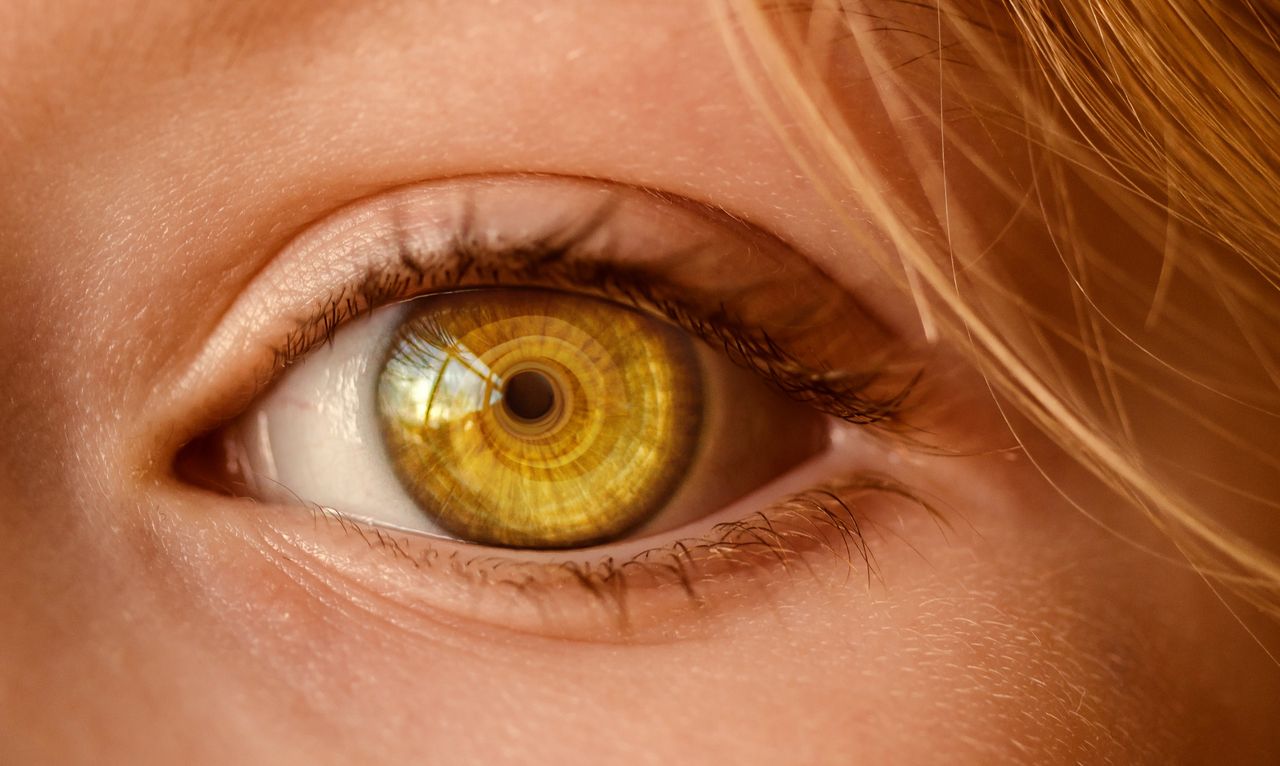
Amniotic Membrane Implantation
A treatment that places a natural amniotic membrane over a damaged eye surface to support healing, reduce inflammation, and protect against infection.
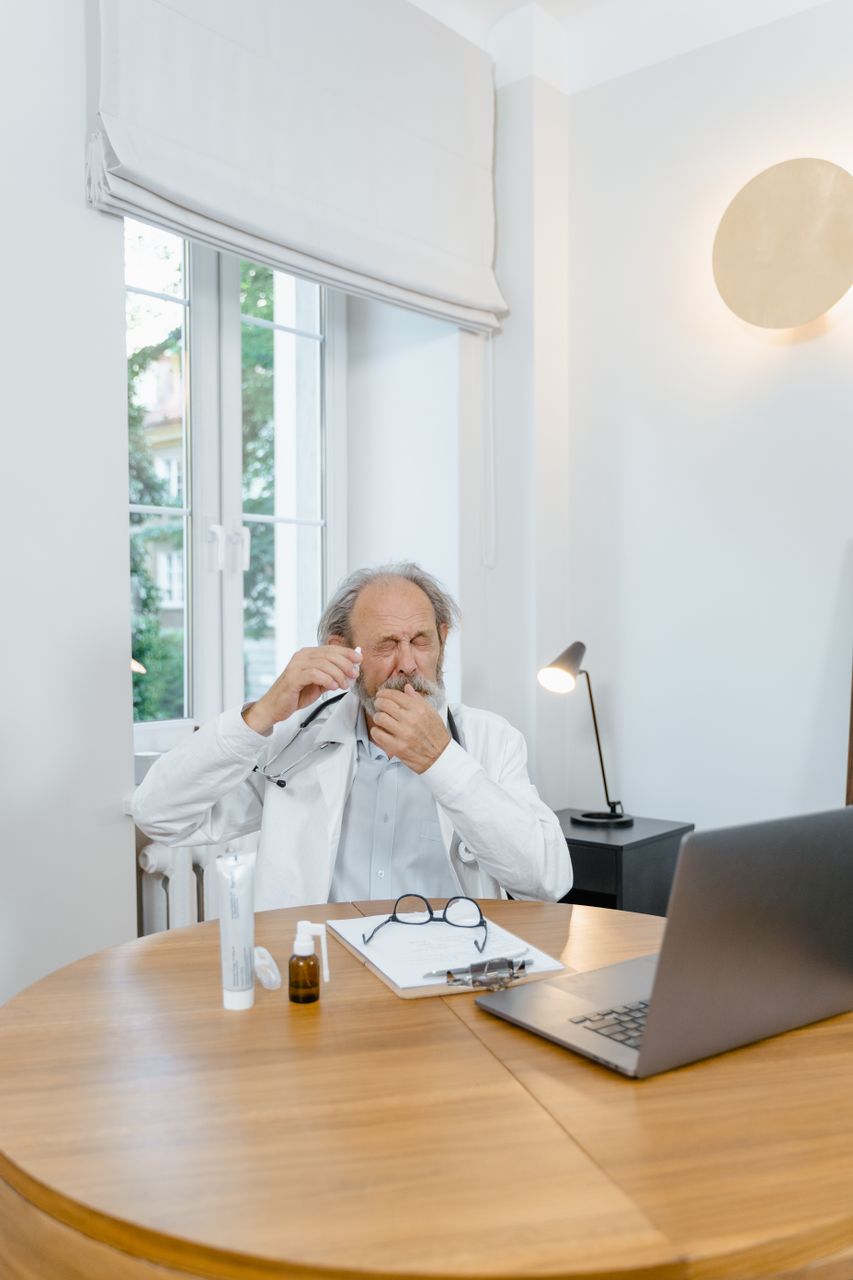
Punctal Plug for Dry Eye
A small plug placed in the tear duct opening to keep natural tears on the eye surface longer and ease dry eye symptoms.