Will My Child's Glasses Keep Getting Stronger?
One of the most common worries parents bring to us is a child whose glasses prescription keeps rising at every check-up. Here we explain why this happens and what can actually be done to slow it down.
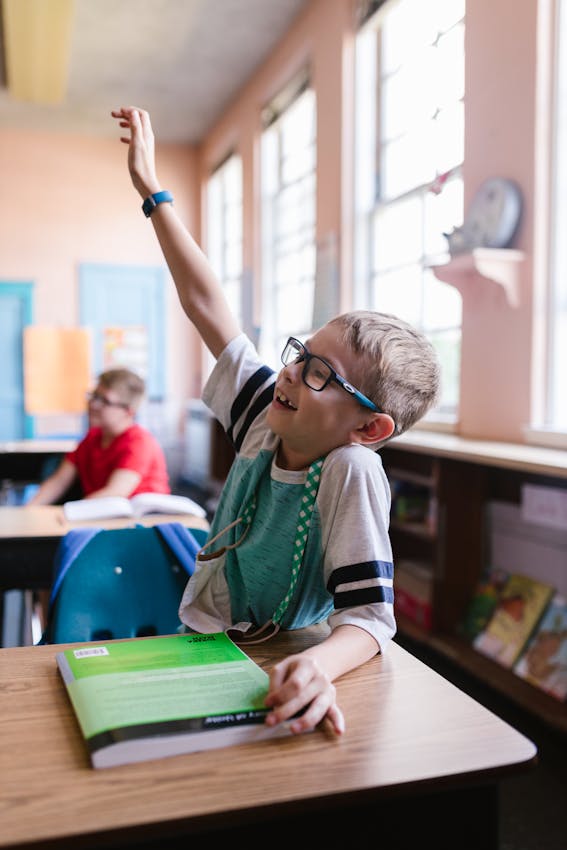
Will My Child's Prescription Keep Growing? What Can We Do?
One of the things parents worry about most is that, when they bring their child in for an eye examination or for a glasses check, the prescription keeps increasing. Unfortunately this is common among children aged 9 to 18. The number rises at every visit, whether that is every six months or once a year, and the child's glasses are changed to match this increase.
First of all, the refractive error that increases like this is generally myopia (blurred distance vision). Hyperopia and astigmatism usually stay stable. In earlier years, when we explained this to families, we used to say that in growing children the eye and some of its structures grow along with the body, just as height or arm length increases, and we tried to explain the rise in myopia that way. But in recent years, increases in prescription that even we did not expect have alerted us and researchers to the fact that there are other causes behind it. With the pandemic, children, and even adults, who were shut in at home showed these jumps in prescription, which revealed just how important the factors found in studies really are. A study in India observed that during the pandemic lockdown the average screen time rose from 5 hours to 8.5 hours. Thanks to the smartphones, tablets and portable computers that have entered our lives over the last 10 years, our exposure to looking closely at screens has greatly increased. Children whom we once warned not to watch television from up close: we have stopped even giving that warning now. While complaining to eye doctors about the tablets and phones they cannot pry out of their children's hands, mothers and fathers have gone through all sorts of contortions; some, wanting us to warn the children without the children noticing, started making comical eyebrow and eye signals. But screen exposure is a huge problem not only for children but for us as well. Some phones show your weekly screen time. If you follow these, I am sure you will be confronted with hours you would not believe. This excessive time in front of screens has begun to cause not only eye-related complaints (burning, stinging, soreness, a feeling of dryness, headaches and eye pain, and so on) but also head, back and spine pain and complaints.
Myopia that begins in childhood in particular leads, at older ages, to the development of sight-threatening risks linked to high myopia. These are cataract, retinal tears and detachment, myopic maculopathy, and glaucoma. The earlier myopia starts, the faster it progresses and the higher the risk of complications.
So What Can We Do?
What are the things we can do to perhaps avoid bringing out a myopia that might otherwise never have appeared, or to stop existing myopia from progressing? Let us focus on this now.
Genetics and Risk
One of the risk factors we cannot prevent is genetics. If both mother and father have myopia, the risk is 50 percent; if one of them does, the risk is 25 percent; if neither does, it is 10 percent. Children at risk should be followed more frequently and should comply more closely with the recommendations below.
Near Work and the 20-20-20 Rule
Studies have shown that near work done closer than 30 cm and for longer than 30 minutes increases progression. For this reason, during near activities our children should keep their notebooks, books and screens as far away as possible (at least 40 cm). As we recommend for adults at the computer, every 20 minutes the eyes should be rested for 20 seconds by looking 6 metres away (for example the farthest point in the room, or out of the window), giving the focusing effort a break. Screen time (phone, tablet, computer) should be limited, daily screen exposure should be avoided, the duration of exposure should be shortened as much as possible and broken up across the day, and if screen exposure is to continue, larger screens that reduce the focusing effort as much as possible can be used.
Time Spent Outdoors
Myopia is seen less in children who spend more time in the sun and outdoors. Likewise, children living in rural areas show less myopia than those in the city. This is perhaps why earlier generations, who played outside as children, had less myopia. For mental, physical and eye health alike, children should be encouraged to be and play outdoors. We recommend that children spend 2 hours a day outside.
Lighting and Evening Activity
Another important point shown in studies is the ambient light after dark. As the ambient or room light increases, myopia decreases. Likewise, incandescent and fluorescent lamps have caused less increase in myopia than LED lights. It can be recommended that children, when doing near activities in the evening, study in strong rather than dim light; since light coming from behind would cast the child's shadow onto the notebook or book, the light should come from the front and above, or a desk lamp should be used. Near activities such as lessons and homework should be encouraged during the day in daylight, in an area close to the window. For near activities done in room light, the area being read should be well lit.
Giving the Correct Prescription
During the examination, in myopia the lowest prescription with which the child sees fully should be given. Studies have shown that giving an over- or under-correction increases myopia further.
Screens Before Sleep
Looking at screens 2 to 3 hours before going to sleep should be forbidden. Looking at screens at night and in the dark in particular can trigger myopia more.
Orthokeratology (Night Lenses)
One of the methods used to slow myopia in children is orthokeratological contact lenses. Unlike classic lenses, these are contact lenses put in before sleep at night and taken out during the day; their aim is to flatten the cornea so as to provide better vision and less focusing effort during the day. In this way it is intended to stop or slow myopia. They cannot be used in every child.
Low-Dose Atropine Drops
In recent years many studies have shown that atropine drops are useful in stopping and slowing the progression of myopia. In particular, 0.01 percent atropine drops can be recommended for children whose mother or father has high myopia, who have had a -1 increase in myopia in the last year, or who have around -3 myopia at about 10 years of age. In our country there is no ready-made drop form of this medicine. If the eye doctor sees fit, a drop is prepared by mixing the ampoule form of atropine with artificial tears, and is instilled every night before sleep. It has no serious side effects. In a very small proportion of cases there may be glare under intense sunlight. Since there is no ready-made drop form and it is prepared by the eye doctor, it can be used by obtaining written consent from the family and child before starting the drop. It is recommended to use it up to the age of 18.
Myopia Control Spectacle Lenses
Another method that has become popular in recent years and whose benefit has been shown in studies is myopic spectacle lenses. The working principle of these lenses differs from that of traditional concave spectacle lenses. In this way they slow, and in some cases even stop, further growth of the eye and the resulting progression of myopia. They should be used especially in cases where myopia began under the age of 8, where the risk factors are high, in children whose yearly eye growth is large, in cases where the myopia increases by 1 number or more each year, or in children who, although seen for the first time, have a high number and a family history. Successful results in carefully selected cases have been seen in our country as well.
A Final Word
As myopia grows, the problems it causes in the eye increase. To prevent this increase, early detection and treatment, together with the additional measures taken, slow the progression.
Frequently asked questions
Will my child's glasses prescription always keep increasing?
No. Progression varies with genetics, visual habits and age. Some children stabilize, others progress through adolescence. Children at risk of high myopia need regular retinal assessment to watch for complications.
What can slow myopia progression?
Evidence‑based options include low‑dose atropine, orthokeratology (overnight lenses), multifocal soft contact lenses, more outdoor time and limiting prolonged near work. A specialist can tailor a plan and arrange retinal follow‑up.

A Guide to Good Sleep
Good sleep may be the most wonderful medicine we give our bodies. Here we explain why sleep matters, what to avoid, and what to do for restful, restorative nights.

Ultraviolet Light and Its Harm to the Eye
Ultraviolet rays can harm the eye over both the short and long term. Here we explain what affects UV intensity, how it damages the eye, and how to protect yourself.
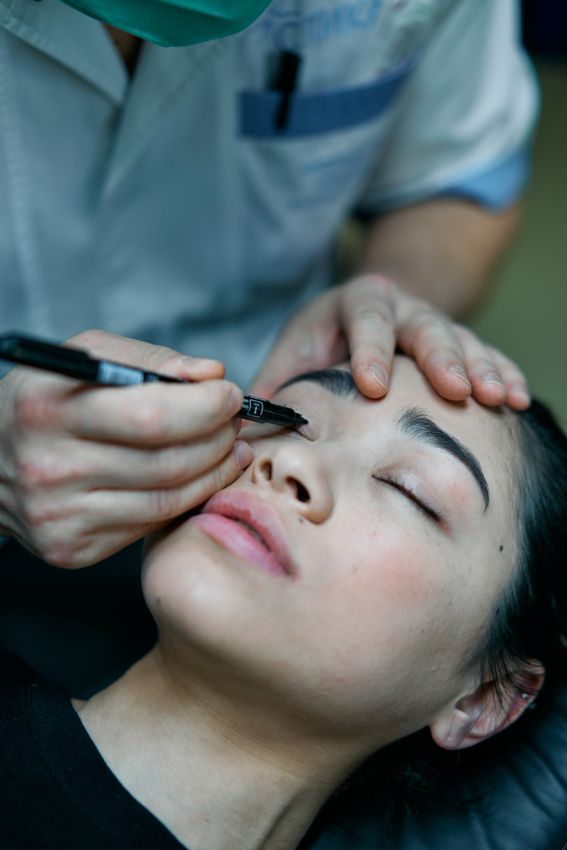
Upper Eyelid Aesthetics (Blepharoplasty)
Upper-lid blepharoplasty corrects sagging, puffiness and excess skin on the eyelid for both aesthetic and functional reasons. Here we explain why the lid droops, who the surgery suits and how the process works.