
Congenital Ptosis Surgery
Surgery to lift a congenitally drooping upper eyelid in children so that the visual field opens and normal visual development can proceed.
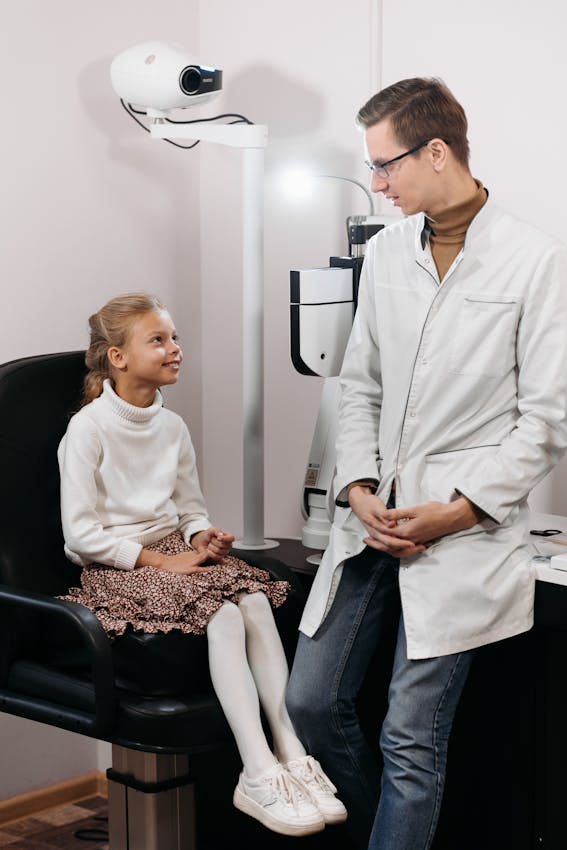
Congenital ptosis is a condition of eyelid drooping that is present at birth. This problem arises because the muscles that lift the eyelid (the levator muscle) have not developed normally or are weak. In babies with congenital ptosis, one or both eyelids may be droopy, and this can narrow the visual field and hinder visual development. If left untreated, it can lead to amblyopia (lazy eye), astigmatism and other vision disorders. Ptosis may be mild, moderate or severe. Severe ptosis requires early treatment, especially in babies and small children, because visual development is fastest during this period.
Signs of Congenital Ptosis
The signs seen in babies with congenital ptosis are as follows. Drooping of the eyelid: one or both eyelids may sit at a lower level than normal. Closing of the visual field: in severe ptosis, the eyelid may cover the visual field and prevent the child from seeing normally. Changes in head and neck position: children may try to look by tilting their heads back to see better, which can cause strain in the neck. Eye fatigue: constantly trying to raise the eyelids can create fatigue in the eye. Dryness or watering of the eye: a droopy eyelid can disrupt tear drainage and lead to symptoms such as dryness or watering.
These signs can vary depending on how low the eyelid sits and how much it affects the visual field.
What Is Congenital Ptosis Surgery?
Congenital ptosis surgery is a surgical procedure performed in children with congenital eyelid drooping to return the eyelid to normal. The aim of the surgery is to lift the eyelid in order to open the child's visual field and support normal visual development. Early intervention is critically important in preventing vision problems.
In Which Cases Is Surgery Needed?
Severe ptosis: if the eyelid drooping blocks vision and there is a risk of lazy eye. Moderate or mild ptosis: in mild cases that do not affect the visual field, surgery may be performed for aesthetic concerns or to prevent abnormalities in head and neck posture.
How Is Congenital Ptosis Surgery Performed?
In congenital ptosis surgery, the levator muscle that lifts the eyelid is strengthened, or support is provided to the eyelid. The technique of the surgery can vary according to the degree of ptosis and the condition of the eye muscles.
Surgical Techniques
Levator resection: this technique lifts the eyelid by shortening the levator muscle. If the levator muscle is partly functioning, this method can be effective. The surgeon cuts and shortens the levator muscle to bring the eyelid to a higher position. Frontalis sling method: if the levator muscle is very weak or cannot fully perform its function, the surgeon corrects the drooping by suspending the eyelid from the frontalis muscles in the forehead. In this method the eyelid is connected to the frontalis muscle using silicone, suture or tissue taken from another part of the body. The child can then lift the eyelid using the forehead muscles. Levator plication: instead of shortening the muscle, this is a method of tightening the levator muscle by folding it. This technique strengthens the muscle by tightening it rather than fully cutting it.
Stages of the Surgery
Anesthesia: because congenital ptosis surgery is performed in children, it is usually done under general anesthesia. The child is put to sleep with anesthesia and does not feel pain or discomfort during the surgery. Making the incision: a small incision is made in the eyelid. The surgeon uses this incision to reach the levator muscle or the frontalis muscles. The incisions are usually made in the natural fold of the eyelid, so that scars become invisible. Correction of the levator muscle: the condition of the muscle is assessed and, using the appropriate surgical technique, the eyelid is lifted; if the muscle is weak, the frontalis sling method is preferred. Sutures: after the surgery is completed, the incision in the eyelid is carefully sutured. The sutures are usually removed within a few days or self-dissolving sutures are used.
Recovery After Surgery
The recovery process after surgery can vary depending on the child's general health and the extent of the surgery. In general, however, children can return to their normal lives within a few days.
The First Days
Swelling and bruising: there may be swelling and bruising around the eye after surgery, which decreases within a few days. Mild pain in the eyelid: in the first days, mild pain may be felt in the eyelid; the doctor may prescribe pain relievers to ease the pain. Vision changes: there may be blurred vision and discomfort in the eye, but this is temporary.
Sutures and Eye Care
Care of the sutures: the sutures in the eyelid must be carefully protected after surgery. The doctor will explain what to pay attention to in wound care. Eye drops and ointment: antibiotic eye drops and ointments may be used to reduce the risk of infection and speed healing.
Follow-Up
Several follow-up appointments will be made after the surgery. The doctor checks whether the eyelid is healing properly. Regular follow-up examinations are carried out to monitor the child's visual development.
Benefits of Congenital Ptosis Surgery
Supporting visual development: by preventing the eyelid from covering the visual field, the surgery supports the child's normal visual development. Reducing the risk of lazy eye: when ptosis is left untreated, lazy eye can develop; the surgery aims to minimize this risk. Aesthetic correction: the surgery also improves the aesthetic appearance of the eyelid and can increase the child's self-confidence. Correcting head and neck posture: it removes the habit of children tilting their heads back to look, preventing strain in neck and head posture.
Risks of the Surgery
As with every surgical procedure, congenital ptosis surgery also carries some risks. However, these risks are generally minimal. Infection: although the risk of infection after surgery is low, the antibiotics recommended by the doctor minimize this risk. Eyelid asymmetry: a slight asymmetry may develop in the position of the eyelid. Scarring: a very faint scar may remain on the eyelid, but this is usually hidden in the natural fold of the eyelid. Limited eyelid movement: there may be a slight limitation in eyelid movements after surgery.
Do Not Postpone Treatment
If your child has congenital eyelid drooping and this condition is covering the visual field, early diagnosis and treatment are very important. When left untreated, visual development can be adversely affected and serious problems such as lazy eye can arise. By consulting an eye doctor, you can have your child's ptosis evaluated and get information about suitable treatment options.
This page is for general information and does not replace a personal examination. The right approach is decided together after an eye examination.
Frequently asked questions
When is congenital ptosis surgery indicated?
Surgery is indicated when the drooping eyelid obstructs the visual axis or risks amblyopia, or if there is a significant cosmetic/function deficit. Timing is individualized after pediatric and retinal evaluation.
What is recovery like and what are the risks?
Recovery typically shows reduced swelling in days with functional stabilization by weeks; final result by 6–12 weeks. Risks include under/overcorrection, scarring, infection. Retina and macula are assessed preop and visual development is monitored post‑op.