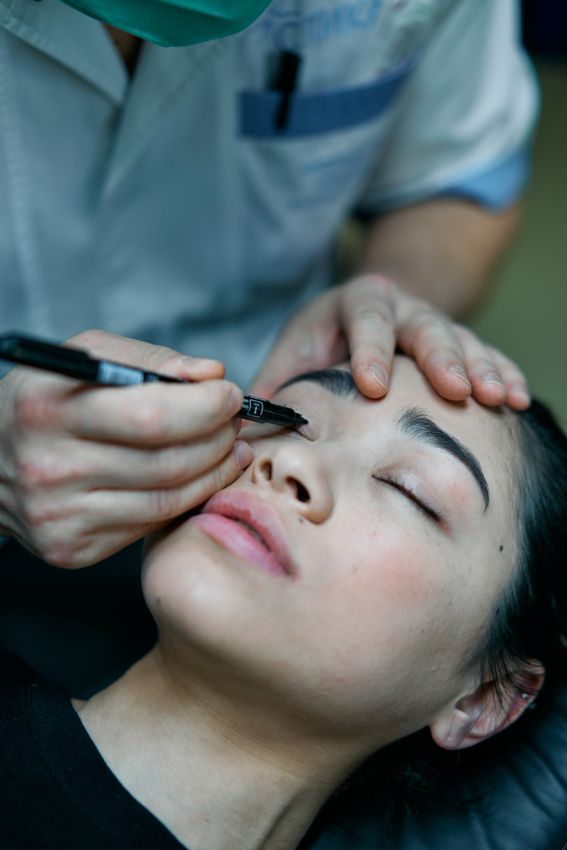
Eyelid Health & Aesthetics
Eyelid conditions and aesthetic concerns (from blepharoplasty and drooping lids to inflammation, swelling, cysts and tumors) and how we evaluate and treat them.
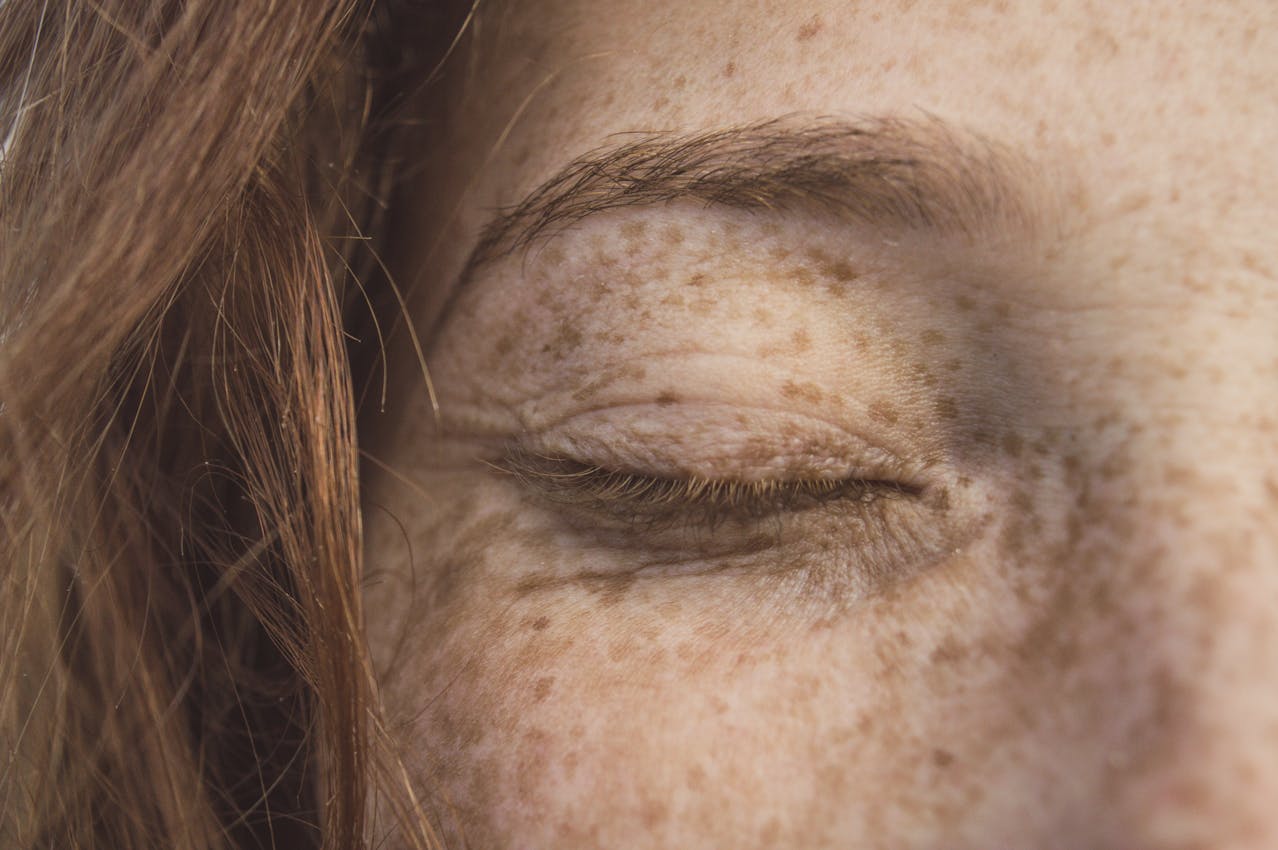
Eyelid Aesthetics (Blepharoplasty)
This is a surgical procedure performed to correct aesthetic or functional problems of the eyelid such as aging, drooping, bagginess and excess skin accumulation. As we get older, the skin around the eyes loses its elasticity and the muscles weaken. This both leads to aesthetic concerns and can cause the eyelid to droop and narrow the field of vision. Eyelid aesthetics (blepharoplasty) is one of the most effective solutions for addressing these problems and creating a younger, fresher eye area.
What Is Eyelid Aesthetics?
Eyelid aesthetics is performed by removing the excess skin and fat tissue on the upper and lower eyelids and by tightening the muscles. This operation, carried out for aesthetic purposes, can at the same time be effective in resolving functional problems. Issues such as drooping in the upper eyelid and under-eye bags in the lower eyelid are corrected with this operation.
Who Is It Suitable For?
It may be suitable for people with age-related skin sagging and bags around the eyes; those experiencing functional problems because of a narrowed field of vision and drooping eyelids; those with aesthetic concerns due to under-eye bags and puffiness; and those who want a younger, fresher appearance around the eyes.
What Is Blepharoplasty?
Blepharoplasty is the medical name for eyelid aesthetic surgery. This procedure can be applied to the upper eyelid, the lower eyelid, or both at once. Blepharoplasty is generally performed to remove excess skin, tighten the muscles and reduce excess fat around the eyes. Because the incisions made in the eyelids during the procedure are placed along the natural folds or the lash line, the scars after surgery are usually not visible.
Blepharoplasty is divided into two main categories. In upper blepharoplasty (upper eyelid aesthetics), the excess skin and fat tissue in the upper eyelid is removed and the muscles are tightened; the drooping in the upper eyelid is corrected, so that both an aesthetic appearance is achieved and the drooping that obstructs the field of vision is eliminated. In lower blepharoplasty (lower eyelid aesthetics), the excess fat and skin tissue in the lower eyelid is removed to address under-eye bags; this procedure is generally performed to eliminate the puffiness and bagginess in the lower eyelid.
How Is Blepharoplasty Surgery Performed?
Blepharoplasty surgery can be carried out under local or general anesthesia. If the operation is limited to the upper lid only it takes 30–40 minutes; if it is to be done including both eyes it generally takes about 1–2 hours depending on the procedure applied. The following steps are carried out during the procedure.
Making the incisions: In upper eyelid aesthetics the incisions are usually made along the natural fold of the eyelid. In lower eyelid aesthetics the incisions are usually made just below the lashes or on the inner side of the eyelid. Removing skin, muscle and fat tissue: The excess skin, fat tissue and loosened muscles that have accumulated in the eyelid are removed; after the excess skin is taken out, the loosened tissues in the eyelid are tightened. Placing the sutures: After the incisions are sutured, the stitches are usually removed within 7–8 days. Because the scars are hidden along the natural folds of the eyelid, no aesthetic concern arises after surgery.
Recovery Process After Blepharoplasty Surgery
The recovery process after blepharoplasty surgery is generally quick. However, like any operation, this process can vary from person to person. Some points to pay attention to after the operation are as follows.
Swelling and bruising: After surgery, swelling and bruising may appear around the eyes. These signs usually subside within 1–2 weeks. Applying a cold compress may be recommended to ease the swelling. Dry eye: After surgery some patients may experience dry eye, and eye drops can relieve this. Removal of sutures: The stitches are usually removed within 7–8 days after surgery; there may be minimal scars in the incision areas, but these scars fade over time. Protecting the eyes: After surgery it is helpful to wear sunglasses to protect the eyes from sunlight and dust; in addition, heavy physical activity and tiring screen use should be avoided for a while. Full recovery: Most patients can return to their daily activities within 1–2 weeks, while full recovery and the final results are seen within a few months.
Which Problems Does Blepharoplasty Address?
Eyelid drooping: Excess skin accumulating in the upper eyelid can obstruct the field of vision. This creates both an aesthetic and a functional problem, and blepharoplasty corrects this drooping. Under-eye bags: The puffiness and bags that form because of fat accumulation in the lower eyelid can be addressed with blepharoplasty. Excess skin and fat accumulation: Age-related excess skin and fat can build up around the eyes; these excess tissues are removed with blepharoplasty and the eye area regains a younger appearance. Field-of-vision problems: Excess skin accumulation in the upper eyelid can cause the eyelids to droop downward and narrow the field of vision; with blepharoplasty surgery this can be corrected and the field of vision improves.
Who Can Blepharoplasty Be Performed On?
People showing signs of aging: It is a suitable operation for people with signs of aging around the eyes who experience drooping eyelids, excess skin and bagginess. People with a narrowed field of vision: In people whose field of vision is narrowed because of drooping in the upper eyelid, blepharoplasty can be applied as a functional treatment. Genetic predisposition: Eyelid drooping or under-eye bags can develop at an early age due to a genetic predisposition, and blepharoplasty can be applied in this case as well.
Risks of Blepharoplasty Surgery
Like any surgical intervention, blepharoplasty surgery may also carry some risks. However, when it is performed by an experienced eye surgeon, the risks are minimal. Some possible risks include bleeding and infection, scarring after surgery, dry eye or irritation, eyelid asymmetry, and (rarely) an inability to fully close the eyes.
Benefits of Blepharoplasty Surgery
Aesthetic improvement: Blepharoplasty surgery helps a person achieve a younger, fresher eye area. Functional improvement: With the elimination of drooping in the upper eyelid, the field of vision widens and provides comfort in daily life. Lasting results: The results of blepharoplasty surgery are generally long-lasting and durable, and the younger appearance around the eyes can continue for many years.
What Should Be Considered After Eyelid Aesthetics (Blepharoplasty)?
For the recovery process to go faster and more smoothly, you need to carefully follow the post-operative care and protective measures. Here are the detailed steps to pay attention to after blepharoplasty.
1. Cold compress for swelling and bruising: Among the most common conditions after surgery are swelling and bruising. This is a natural result of the surgical intervention and usually begins to subside within a few days. Cold compress: To reduce swelling and bruising, it is important to apply a cold compress for the first 48 hours. Cold compresses constrict the vessels around the eyes, easing swelling and preventing the spread of bruising. While doing this, ice should not be applied directly to the skin; an ice pack wrapped in a towel or cloth should be used. Application time: Cold compresses should be applied every 10–15 minutes, with short breaks in between. After the first 48 hours, switching to warm compresses can support healing by speeding up blood flow around the eyes.
2. Keep your head elevated: One of the most effective ways to reduce swelling after surgery is to keep the head in an elevated position. This reduces the accumulation of blood and fluid around the eyes and helps the swelling go down faster. While sleeping: You should sleep with your head supported by pillows; for the first few nights, make sure your head is higher than your body, as this reduces swelling around the eyes. In daily activities: Avoid spending long periods with your head bent down throughout the day, and especially in the first week be careful not to apply too much pressure around the eyes.
3. Protect the eyes from the sun and environmental factors: After eyelid aesthetics, the eyes become more sensitive to external factors. Environmental factors such as sunlight, dust and wind can slow healing. Using sunglasses: To avoid sun exposure after surgery, you should wear dark, large-framed sunglasses when going outside; protecting the eyes from UV rays both protects the sensitive skin after surgery and prevents irritation in the eye. Sunscreen: If you spend time outdoors, avoid applying sunscreen to the surgical area; however, after healing, if you will be exposed to direct sunlight, a protective cream can be used once the skin has fully healed, as recommended by your doctor.
4. Use of medications and eye drops: To prevent the risk of infection after surgery and to speed up the recovery process, it is very important to use the medications and eye drops prescribed by the doctor correctly and regularly. Antibiotic ointments: The antibiotic eye ointments or drops recommended by your doctor are used to prevent post-operative infections; do not neglect to use these medications in the specified doses and for the specified duration. Pain relievers: There may be mild pain after surgery, and your doctor may prescribe pain-relieving medication for this; blood-thinning medications such as aspirin should be avoided because they can increase the risk of bleeding. Eye drops: Dry eye may occur after surgery, in which case your doctor may recommend artificial tear drops; eye drops keep the eyes moist and prevent irritation around the eyes.
5. Care of the sutures and the surgical area: The stitches are usually removed within 7–8 days after surgery. During this period, special care is needed to keep the stitches clean and protect them from infection. Cleaning the suture area: To prevent the stitches from getting infected, it is very important to keep the surgical area clean; clean the area with sterile cotton and solution as recommended by your doctor. Contact with water: Be careful that your eyelids do not come into contact with water for the first 48 hours; when showering, it is recommended to wash while protecting the surgical area from water. Avoid makeup: Avoid applying makeup around the eyes during the recovery period; makeup products and brushes can irritate the area with the stitches or increase the risk of infection. You should generally stay away from makeup after the stitches are removed, for the period recommended by your doctor.
6. Avoid heavy physical activity: Heavy physical activity should be avoided for the first few weeks after surgery. In particular, exercises that raise blood pressure can increase the risk of bleeding and swelling around the eyes. Exercise and sports: For the first two weeks, heavy exercise, running, swimming or weightlifting should be avoided; staying away from such activities for the period stated by your doctor speeds up the recovery process. Avoid tiring the eyes: Prolonged screen use after surgery (computer, phone, television) tires the eyes and can lengthen the recovery process; resting your eyes for the first few days can reduce post-operative irritation and dry eye.
7. Washing the face and showering: For the first few days, washing the surgical area with water and soap should be avoided. Washing the face: Be careful not to splash water around the eyes when washing your face; you can gently clean the area with a damp cloth. Try to keep the area with the stitches as dry as possible while washing your face. Showering: Be careful when showering for the first few days after surgery; do not bring water directly onto your eyes, and shower with your head tilted backward, minimizing water contact around the eyes.
8. Do not scratch or rub the eyes: An itching sensation may occur around the eyes after surgery, which is quite normal. However, you should avoid scratching, rubbing or applying excessive pressure to the eyes, as this can cause the stitches to open or prolong the recovery process. To relieve the itching sensation, you can use the eye drops recommended by your doctor.
9. Avoid smoking and alcohol: Smoking and alcohol use can negatively affect the recovery process. Smoking slows tissue healing after surgery and increases the risk of infection, while alcohol can increase swelling by disrupting the body's fluid balance. For this reason, it is best to stay away from smoking and alcohol for the first few weeks after surgery.
10. Do not skip your doctor's check-ups: Regular doctor check-ups after surgery are of great importance for monitoring the recovery process and preventing possible complications. The first check-up is usually done 5–7 days after surgery, and the stitches are removed during this visit; at subsequent check-ups the recovery process around the eyes is reviewed. If you notice any abnormality or complication, you should consult your doctor without losing time.
In conclusion, the points to consider after eyelid aesthetics (blepharoplasty) are critically important both for speeding up the recovery process and for preventing possible complications. With these simple but effective measures, you can achieve a faster and smoother recovery.
Non-Surgical Eyelid Aesthetics and Plasma
Non-surgical eyelid aesthetics covers methods applied to correct drooping, bagginess and fine wrinkles in the eyelids without requiring a surgical procedure. These methods are used to tighten the skin tissue and provide a younger appearance. The recovery time is generally shorter and they carry less risk compared with surgery. Their advantages are that they require no surgical incision, offer a fast recovery process, and are minimally invasive with a quicker return to daily life.
Eyelid procedures performed with plasma: Eyelid aesthetics performed using plasma energy is carried out by applying plasma energy to the skin with the help of a special device. This energy forms small carbon crusts on the skin surface, helping the skin tighten and renew. During the application, the device acts without harming the upper layer of the skin and the recovery process is fast.
How it works: The plasma device sends micro-pulses to the tissues on the skin; the tissues on the skin surface respond to this energy and tighten; the recovery time after application is limited to a few days and mild crusting may be seen.
Advantages and disadvantages of plasma eyelid procedures: Advantages: it provides a natural tightening and rejuvenation of the skin; it requires no incision, sutures or anesthesia; and a natural result is achieved with minimal side effects. Disadvantages: mild redness, swelling and crusting may occur; the results are fully seen after a few weeks or months; and the effectiveness of the treatment can vary depending on the individual's skin structure.
Areas of application: drooping in the upper eyelid, bagginess in the lower eyelid, crow's feet and fine wrinkles, and mild skin laxity around the eyes.
Recovery process and points to consider: The recovery time after application is generally 5–10 days. After the procedure it is recommended to protect against the sun and to avoid light makeup during the recovery period. In addition, the use of a moisturizer and sunscreen is recommended to keep the skin hydrated.
Lower Eyelid Aesthetics (Lower Lid Blepharoplasty)
Lower eyelid aesthetics (lower lid blepharoplasty) is a surgical procedure performed to correct bags, wrinkles and drooping in the lower eyelid. With the aging process, the skin in the lower eyelid loses its elasticity and bagginess can form. Blepharoplasty surgery provides a younger and more dynamic appearance by eliminating this excess skin and fat accumulation.
What is lower lid blepharoplasty? Lower lid blepharoplasty aims to correct the bagginess and drooping that form in the lower eyelid through surgical intervention. During this procedure, excess skin and fat tissue is removed, the muscles are tightened, and the tissues around the eye are reshaped. Which problems does it solve? Under-eye bags, wrinkles becoming prominent around the eyes, drooping in the lower eyelid, and loss of elasticity in the skin around the eyes.
How the surgery is performed: Lower eyelid aesthetics is generally performed under local or general anesthesia and takes about 1–2 hours. The surgeon usually makes an incision along the lash line or on the inner side of the lower eyelid. In this way, excess skin and fat tissue is removed and the under-eye bags are addressed. By tightening the muscles around the eyes, a younger appearance is achieved.
Recovery process: The recovery process after surgery generally takes 1–2 weeks. There may be swelling, mild bruising and tenderness in the first few days. Protecting the area around the eyes after surgery, applying a cold compress and using the medications recommended by the doctor speed up the recovery process. Points to consider: sleeping with the head elevated for the first few days, avoiding light pressure around the eyes, wearing sunglasses to protect from the sun, and avoiding heavy exercise.
Advantages and risks of lower lid blepharoplasty: Advantages: lasting elimination of under-eye bags and drooping, a younger and fresher eye area, and a natural-looking improvement in appearance. Risks: the risk of infection or bleeding, the possibility of mild scarring (usually hidden in the natural lines), and temporary dryness or irritation.
Who is it suitable for? Lower lid blepharoplasty is generally suitable for individuals in good general health who have aesthetic concerns due to under-eye bags, drooping or wrinkles. This operation makes the eyes look younger and fresher by eliminating the excess skin around the eyes.
Alternatives: For people who do not want surgery, various non-surgical solutions are also available. Filler injections: hyaluronic acid–based fillers can be used to ease the hollow appearance under the eyes. Laser treatment: used for skin tightening and reducing wrinkles. Plasma energy: a non-invasive method applied for skin tightening.
What Are Eyelid Diseases?
Eyelid diseases are defined as disorders affecting the anatomical structure and functions of the eyelid that arise for various reasons. The eyelid protects our eyes against external factors and ensures that tears spread evenly over the eye surface. Diseases occurring in the eyelid usually show themselves with symptoms such as pain, swelling, redness, itching in the eye and visual impairment. These diseases can stem from many different causes such as infections, inflammations, tumors and structural disorders. Diagnosing and treating eyelid diseases in a timely manner is of great importance in preventing serious eye problems.
Eyelid Drooping (Ptosis): Causes and Treatment
Eyelid drooping (ptosis) is the condition in which the eyelid is positioned lower than normal. Ptosis can be seen in both children and adults. Congenital ptosis can occur due to developmental disorders of the muscles or nerves, while in adults ptosis generally develops in relation to aging. With age, the muscles that lift the eyelids weaken and the eyelid begins to droop. Beyond aesthetic concerns, ptosis can also cause visual impairment because the eyelid covers the field of vision.
Causes: congenital muscle development disorders, aging and muscle weakening, nerve damage (especially of the oculomotor nerve), trauma, and complications arising after eyelid surgeries. Treatment: In the treatment of ptosis, surgical methods are generally preferred. Ptosis surgery is performed by tightening or shortening the muscles that lift the eyelids. In mild cases, eye exercises and in some cases the use of glasses may be recommended without surgical intervention. In congenital lid drooping, frontal suspension (a brow-suspension technique) is applied.
Why Does Eyelid Inflammation (Blepharitis) Occur?
Blepharitis is a chronic inflammation that occurs as a result of the blockage or infection of the oil glands located at the edge of the eyelids. It shows itself with symptoms such as redness, swelling, itching, a burning sensation and crusting in the eyelids. Although eyelid inflammation is generally harmless, if left untreated it can recur and adversely affect eye health.
Causes: bacterial infections (usually Staphylococcus), blockage of the Meibomian glands, skin conditions such as seborrheic dermatitis and rosacea, inadequate eye hygiene, and allergic reactions. Blepharitis treatment aims to bring the eyelid inflammation under control and prevent its recurrence. Because this is a chronic condition, treatment focuses on maintaining eye hygiene and managing the inflammation. The stages of blepharitis treatment are detailed below.
1. Eyelid cleaning and hygiene: The most critical step in blepharitis treatment is cleaning the eyelids regularly. Since the bacteria accumulating at the eyelid edges and the blockage of the oil glands lead to inflammation, keeping this area clean helps bring the inflammation under control. Warm compress application: Moisten a clean cloth or a cotton pad with lukewarm water and apply it to the eyelids as a compress for 5–10 minutes; this allows the oil glands in the eyelid to open and the accumulated oil to be expelled. Eyelid cleaning: After the warm compress, the eyelids should be cleaned gently; for this, eyelid cleanser solutions recommended by your eye doctor, or non-irritating cleansers such as baby shampoo, can be used. During cleaning, gently rub the eyelid edges with a cotton swab to clean away dirt and oil deposits.
2. Medication treatment: Depending on the blepharitis situation, medication treatments prescribed by the doctor can also be applied. Depending on the severity of the inflammation, the following medications can be used. Antibiotic eye drops or ointments: If the blepharitis is caused by a bacterial infection, antibiotic eye drops or ointments can be used; these medications are usually applied to the eyelid edge and bring the infection under control. Corticosteroid drops: In severe blepharitis cases, corticosteroid-containing eye drops or ointments can be used to reduce inflammation; these medications quickly bring the inflammation in the eye under control, but care should be taken regarding side effects with long-term use. Oral antibiotics: In chronic or treatment-resistant cases, oral antibiotics may be prescribed; oral antibiotic treatment can be effective especially in blepharitis cases seen together with skin problems such as rosacea or seborrheic dermatitis.
3. Diet and lifestyle changes: In some cases, it has been noted that a diet rich in omega-3 fatty acids helps ease blepharitis symptoms. Omega-3 fatty acids can improve the function of the oil glands in the eye and reduce dry eye. Foods containing omega-3 fatty acids: foods such as fish (especially salmon and sardines), walnuts and flaxseed can support eye health. Avoiding substances that irritate the eyes: staying away from irritating substances such as dust, smoke, air pollution and harsh makeup products is important in blepharitis treatment.
4. Artificial tear drops: Blepharitis can be seen together with dry eye. Dry eye can increase symptoms such as burning, stinging and redness in the eye. Artificial tear drops can ease these symptoms by moisturizing the eyes and help the eyes relax. 5. Avoiding makeup: Wearing eyelid makeup during blepharitis treatment can make the condition worse. Makeup products can block the oil glands in the eyelid and increase inflammation, so it is best to avoid eye-area makeup during treatment. 6. Regular eye check-ups: Since blepharitis is a chronic condition, regular eye doctor check-ups are important; the doctor will assess the response to treatment and update the treatment plan if necessary.
In conclusion, blepharitis treatment requires a long-term management plan. With attention to eye hygiene, the use of the right medications and regular eye doctor check-ups, blepharitis symptoms can be brought under control. Blepharitis may not heal completely, but with these steps the symptoms can be eased and recurrence prevented.
Eyelid Swelling: The Most Common Causes
Swelling of the eyelid is a symptom that usually arises as a result of infections, allergies or trauma. Although eyelid swelling is most often mild and temporary, in some cases it can be a sign of more serious eye diseases.
The most common causes: Infections: eye infections such as blepharitis and conjunctivitis can lead to eyelid swelling. Allergic reactions: allergens such as pollen, dust and animal dander can cause swelling and itching in the eyelids; this can develop very quickly and may occur in one or both eyes, with redness accompanied by swelling, but generally without an increase in temperature or pain. Stye (hordeolum): a painful swelling that occurs with the infection of a gland in the eyelid. Chalazion: a cyst formed by the blockage of the Meibomian gland in the eyelid, which is usually painless. Eyelid trauma: swelling can form as a result of a blow or injury to the eyelid. Treatment: Once the cause of eyelid swelling is determined, the appropriate treatment is started. For infections, antibiotic drops or ointments are used, while for allergic reactions, cortisone-containing and antihistamine medications may be prescribed. In chalazion and stye cases, a warm compress is generally the first treatment option.
What Is an Eyelid Cyst (Chalazion) and How Is It Treated?
A chalazion is a cyst that forms as a result of the blockage of the Meibomian glands located in the eyelid. A chalazion is usually painless and appears as a firm swelling in the eyelid. The cyst usually disappears on its own within a few weeks, but large chalazia can lead to visual impairment. Treatment: The most common method in chalazion treatment is applying a warm compress; the compress helps the oil glands open and the inflammation subside. If the chalazion grows or becomes painful, the cyst can be removed by an eye doctor through a surgical intervention. In addition, steroid injections can be effective in some cases.
Eyelid Tumors: Symptoms and Treatment Options
Eyelid tumors are abnormal cell growths that usually form on the eyelid. Tumors can be both benign and malignant. Eyelid tumors can become a serious eye health problem that may lead to vision loss, so recognizing the symptoms and starting treatment with early diagnosis is of great importance.
1. Symptoms of eyelid tumors: Eyelid tumors can come in different shapes and sizes. The following signs may indicate the formation of a tumor in the eyelid. Swelling: a growing mass or swelling may be noticed in the eyelid, which can grow over time or distort the shape of the eyelid. Color changes: the tumor can cause color changes in the eyelid skin; dark-colored or pigmented lesions in particular should be taken seriously. Non-healing wounds: wounds or crusting in the eyelid that do not heal and recur constantly can be a sign of malignant tumors. Bleeding: lesions in the eyelid can bleed on contact or spontaneously. Eyelid shape deformities: there may be change, irregularity or retraction in the shape of the eyelid; tumors can prevent the eyelid from closing properly and impair eyelid functions. Visual disturbances: eyelid tumors can lead to vision loss by obstructing the field of vision.
2. Types of eyelid tumors: Benign tumors are generally harmless and grow slowly in the eyelid; these tumors may not damage the eyelid tissue but can create aesthetic and functional problems. The most common benign tumors are papilloma (small wart-like protrusions on the eyelid), seborrheic keratosis (oily, raised skin lesions) and cysts (fluid-filled sacs in the eyelid). Malignant tumors can damage the eyelid skin and surrounding tissues; 90% of eyelid tumors are basal cell carcinoma. Untreated malignant tumors carry the risk of spreading to deeper tissues. The most common malignant tumors are: Basal cell carcinoma: the most common malignant eyelid tumor, usually seen in the lower eyelid and in areas with excessive sun exposure; it grows slowly but can damage surrounding tissues. Squamous cell carcinoma: a more aggressive type that can spread faster than basal cell carcinoma. Melanoma: a malignant tumor that develops from the pigment-producing cells of the skin; although it is rarer in the eyelid, it can be quite aggressive and spread rapidly.
3. Causes of eyelid tumors: Various factors can play a role in the formation of eyelid tumors. Some of the most common causes are: UV exposure: one of the biggest risk factors for eyelid tumors is long-term exposure to the harmful UV rays of the sun; basal cell carcinoma and melanoma in particular can arise in relation to sun damage. Genetic factors: people with a family history of skin cancer have a higher risk of developing eyelid tumors. Weakening of the immune system: in people with a weakened immune system, the risk of skin cancer in particular increases. Aging: advanced age is another factor that increases the risk of eyelid tumors.
4. Diagnosis of eyelid tumors: When an abnormal mass or swelling is noticed in the eyelid, it is important to consult an eye doctor. The doctor examines the characteristics of the tumor with a physical examination and, if deemed necessary, makes a definitive diagnosis by performing a biopsy. A biopsy is an important step in understanding whether the tumor is malignant.
5. Treatment options for eyelid tumors: Surgical methods: the most common method in the treatment of eyelid tumors is surgery; benign tumors can usually be removed with simple surgical procedures, while in malignant tumors the entire tumor and the surrounding healthy tissue are removed surgically. This procedure is called "excision." After the tumor is removed, eyelid repair may be needed for aesthetic and functional reasons. Mohs micrographic surgery: this method, used especially in the treatment of basal cell carcinoma, allows the tumor to be completely removed with the least tissue loss; during surgery, the removed tissue is examined layer by layer and checked for the presence of tumor cells. Mohs surgery stands out for its high success rate and low risk of recurrence. Radiotherapy: in cases where surgical intervention cannot be performed or where surgery is not sufficient, the tumor cells are targeted with radiotherapy; this method is suitable especially for elderly patients and people with a high operative risk. Cryotherapy: small malignant eyelid tumors can be treated with the freezing method called cryotherapy, which aims to kill the tumorous tissue by freezing it. Chemotherapy and immunotherapy: in aggressive tumors such as melanoma, chemotherapy or immunotherapy can be used to prevent the spread of tumor cells; these treatment methods are usually applied together with surgical intervention.
6. Early diagnosis and prevention: One of the most important factors in the treatment of eyelid tumors is early diagnosis. If you notice an unusual swelling, color change or non-healing wound in the eyelid, it is important to consult an eye doctor without losing time. In eyelid tumors diagnosed early, the treatment success is high and the risk of the tumor spreading is minimized. One of the most effective ways to protect against eyelid tumors is to protect against the sun's rays; limiting the duration of UV exposure and using sunglasses and a hat are among the important precautions.
In conclusion, eyelid tumors are among the eye diseases that can be treated successfully when diagnosed early, but can lead to serious consequences when neglected. If you notice an abnormal swelling, color change or a wound that does not heal for a long time in the eyelid, it is important to consult an eye doctor immediately.
This page is for general information and does not replace a personal examination. The right approach is decided together after an eye examination.
Frequently asked questions
When should I see a retina clinic for an eyelid problem?
If eyelid disease threatens vision (visual field obstruction, drooping affecting the macula), if a lesion is suspicious for malignancy, or with recurrent infection — prompt retina‑centered assessment is advised.
Do you perform blepharoplasty and eyelid surgery here?
Yes. We provide both surgical and non‑surgical eyelid treatments. Our vitreoretinal surgeons coordinate care to protect macular and retinal function during planning and surgery.
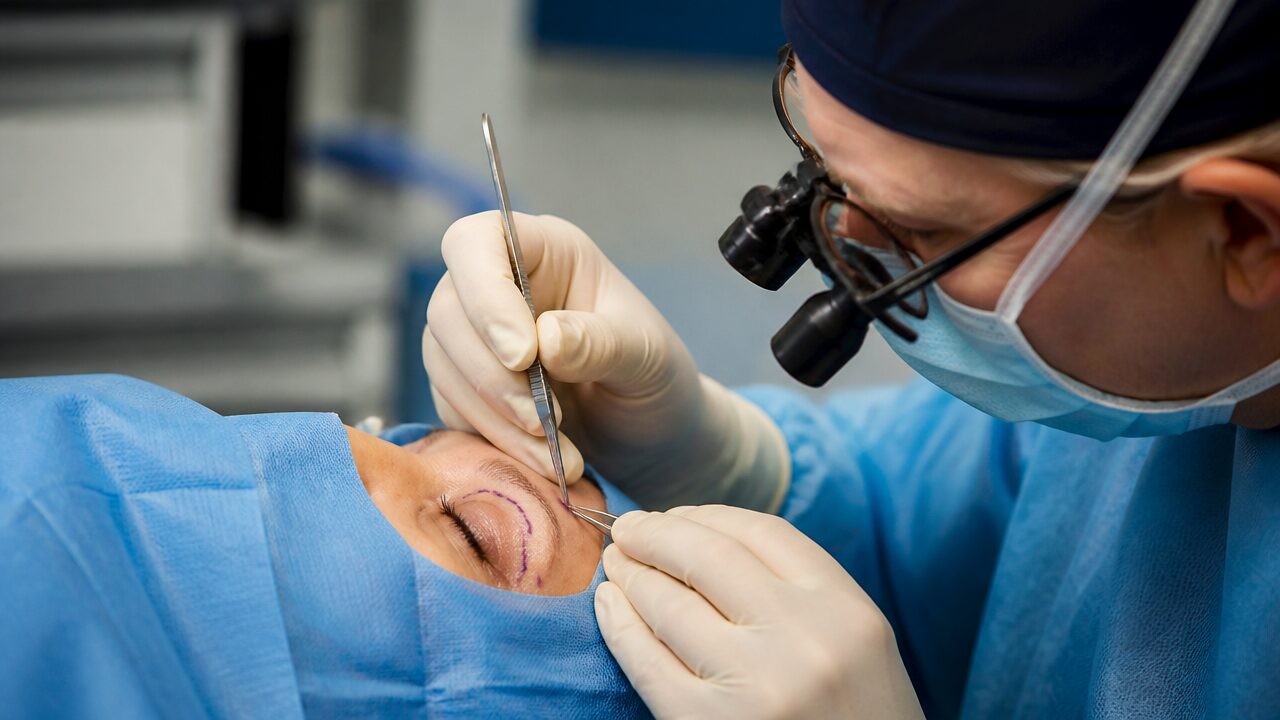
Eyelid Aesthetic Surgery
A surgical procedure (blepharoplasty) that corrects sagging, bags, puffiness and excess skin of the upper and lower eyelids for aesthetic and functional benefit.
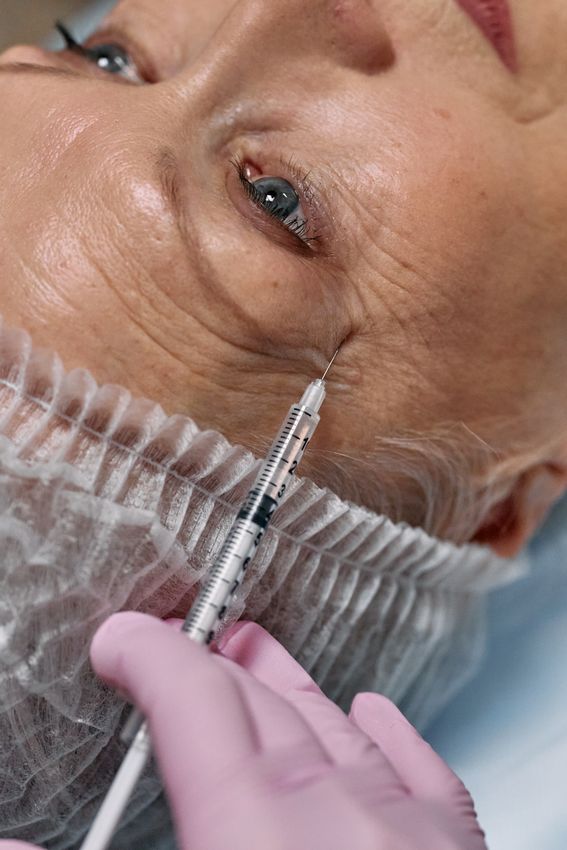
Non-Surgical Eyelid Aesthetics
Non-surgical and minimally invasive methods used to treat sagging, wrinkles, puffiness and laxity around the eyelids without an operation.
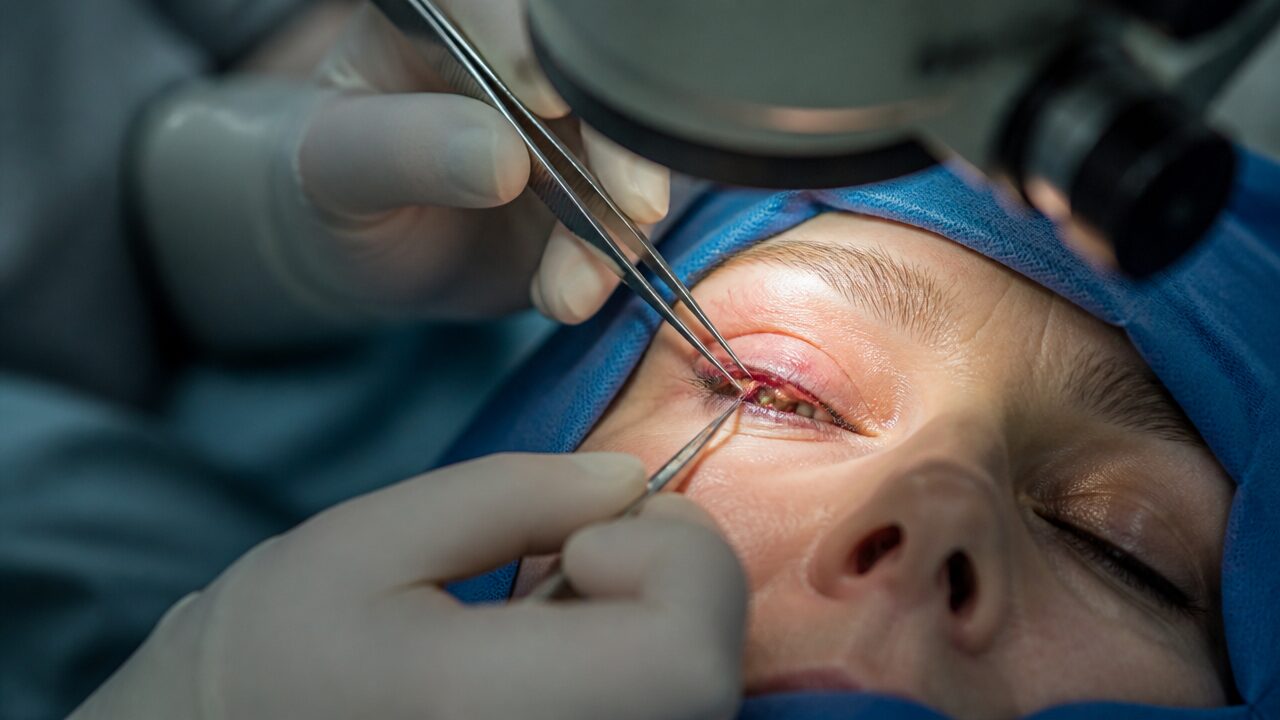
Ptosis Surgery
A surgical procedure that lifts a drooping upper eyelid back to its normal position to improve both vision and appearance.
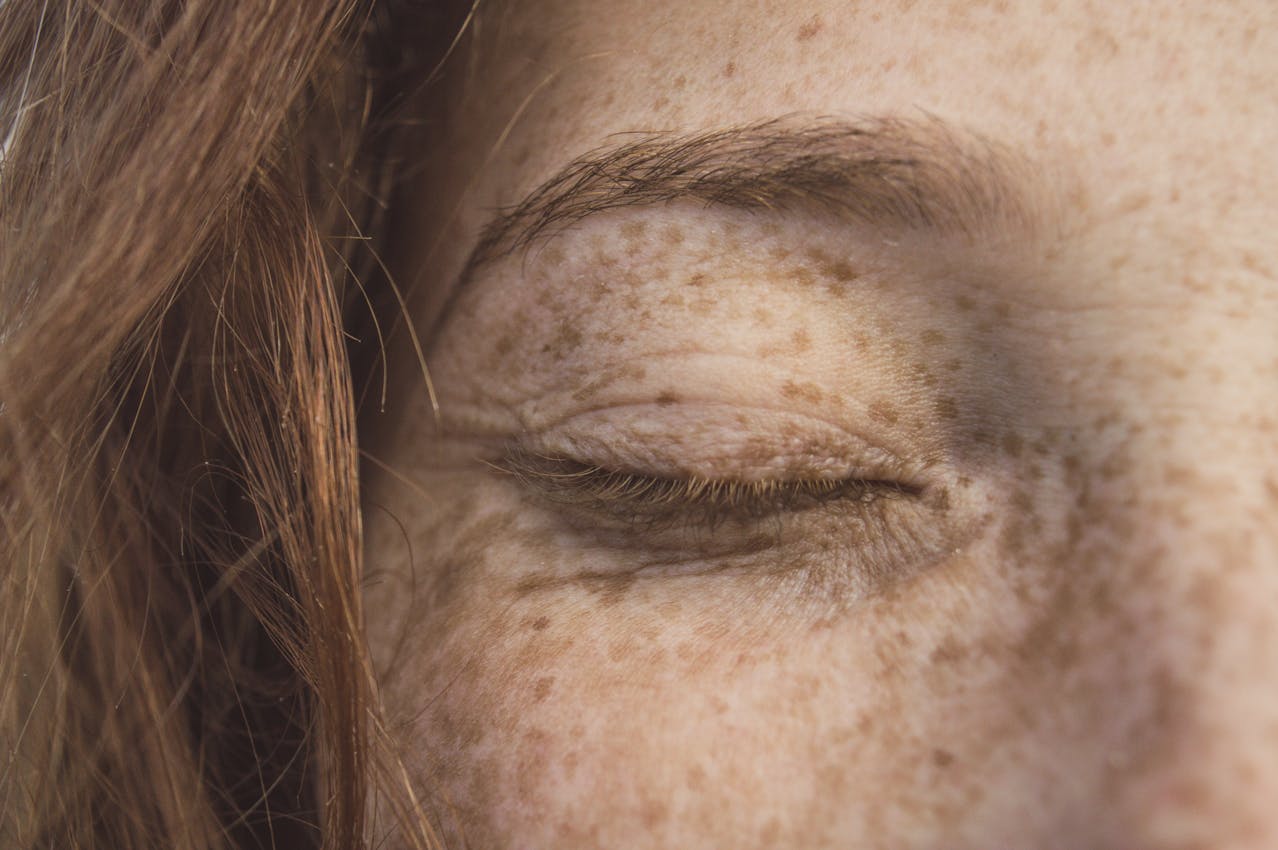
Stye & Chalazion Excision
A minor procedure to drain or remove a stye or chalazion of the eyelid when it does not respond to non-surgical treatment.
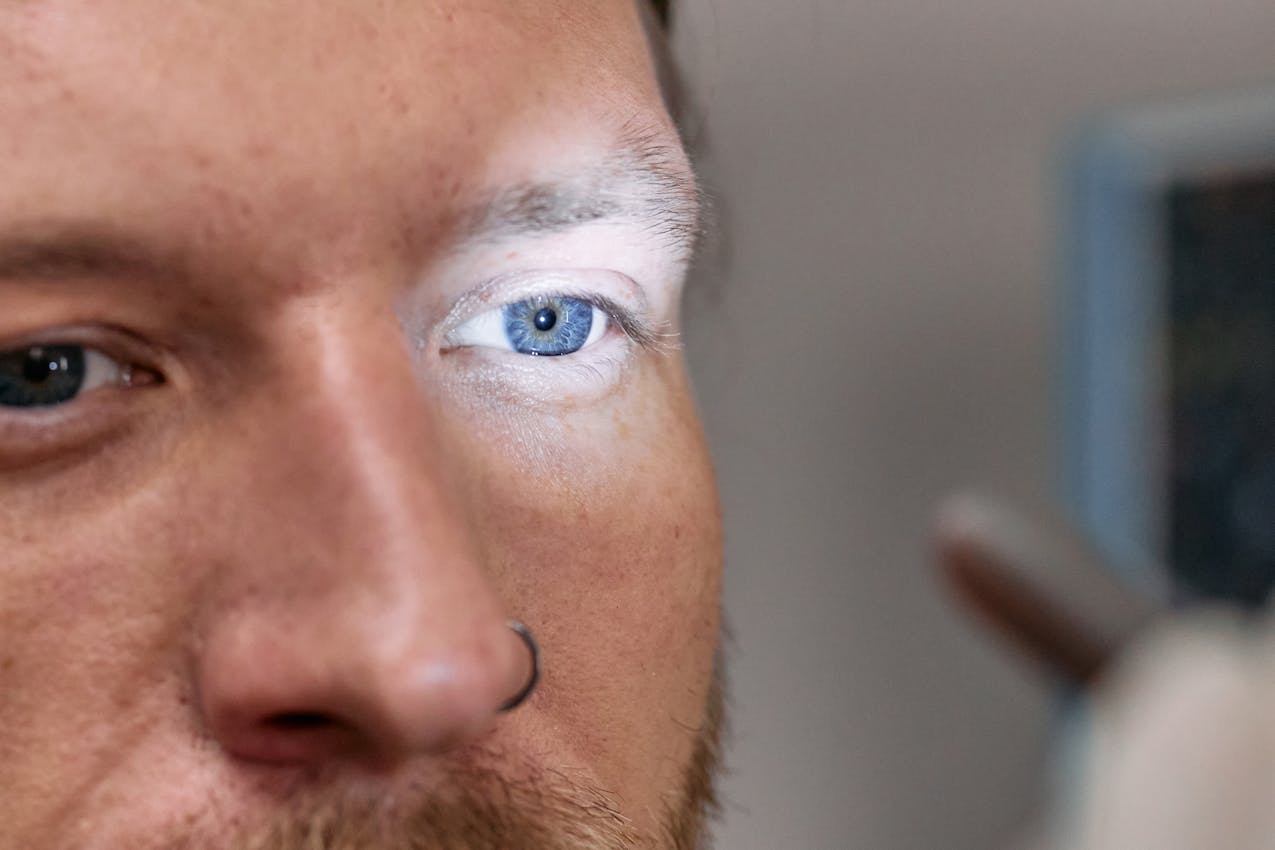
Ectropion Surgery
A surgical procedure that tightens and repositions an outward-turning eyelid to protect the eye surface and restore its function.
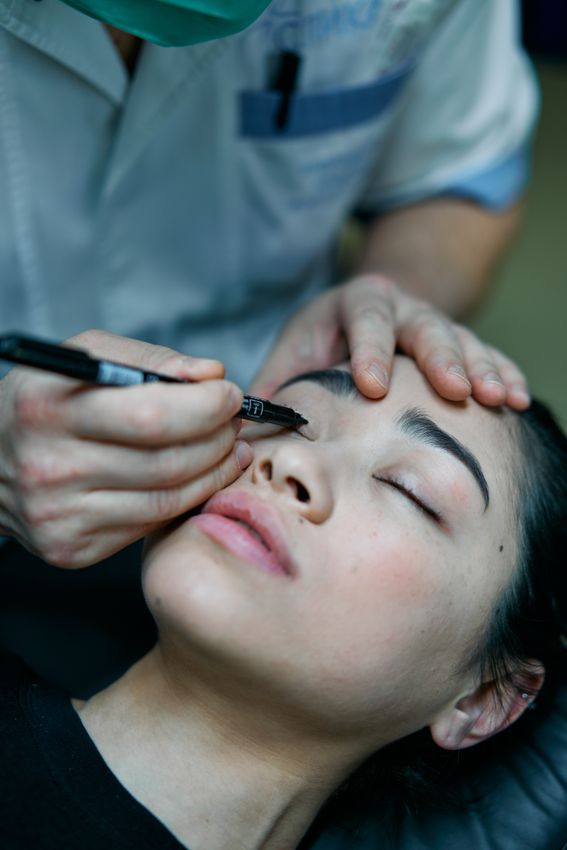
Entropion Surgery
A procedure that returns an inward-turning eyelid to its normal position so the lashes no longer rub against the eye.
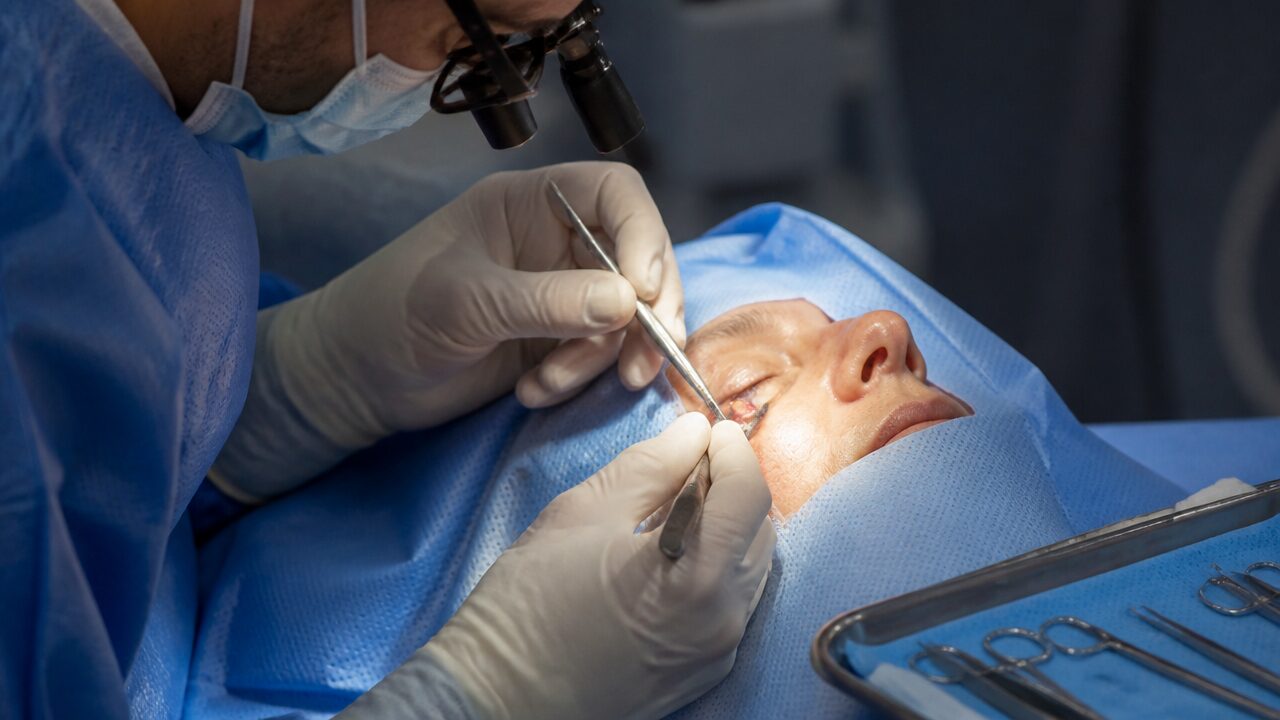
Eyelid Tumor or Mass Surgery
Surgical removal of benign or malignant growths on the eyelid, with reconstruction to preserve the lid's natural form.
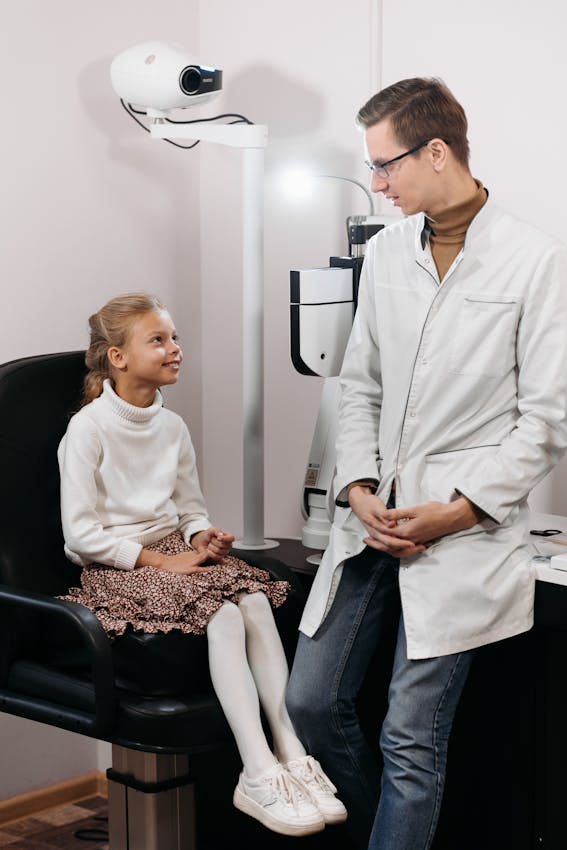
Congenital Ptosis Surgery
Surgery to lift a congenitally drooping upper eyelid in children so that the visual field opens and normal visual development can proceed.
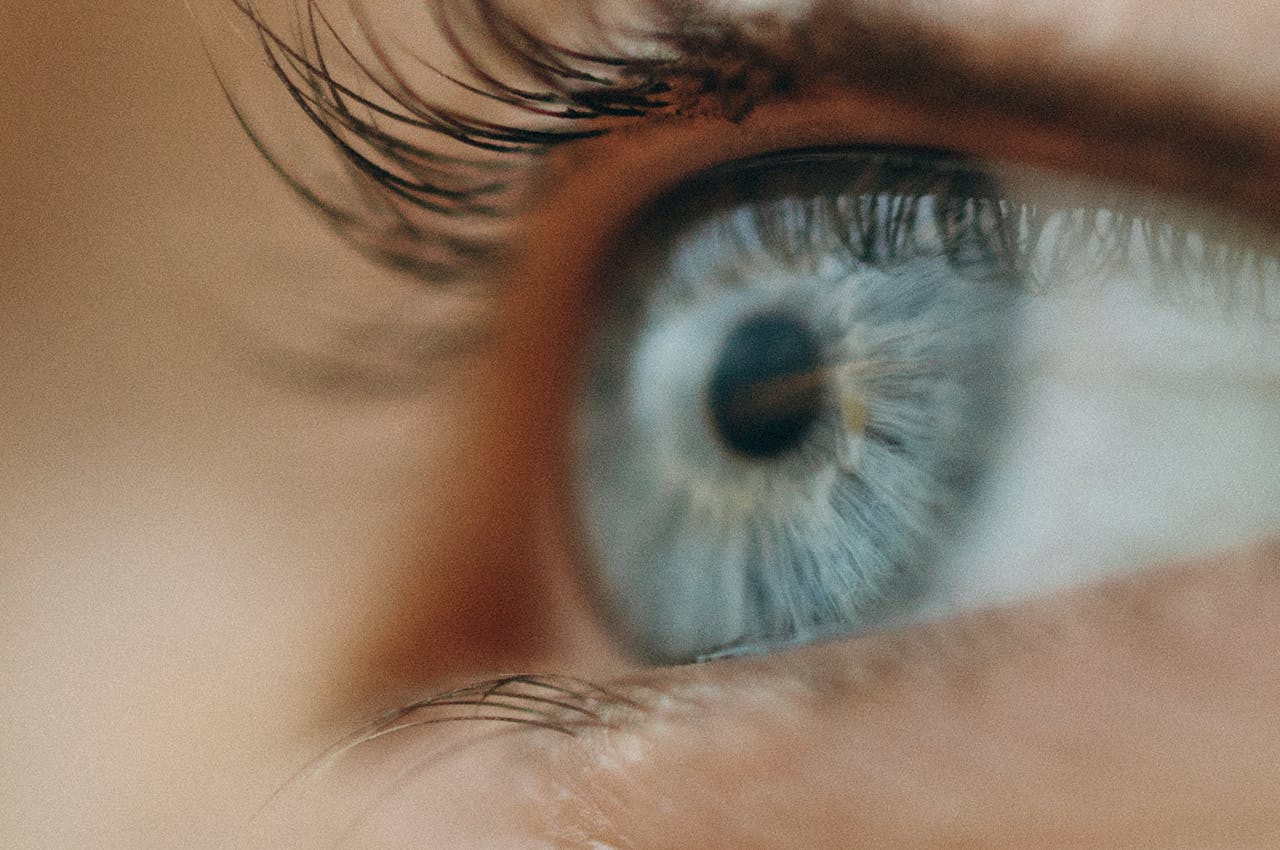
Trichiasis Surgery
A procedure that removes or redirects inward-growing eyelashes so they stop rubbing against the eye surface.