
Eyelid Aesthetic Surgery
A surgical procedure (blepharoplasty) that corrects sagging, bags, puffiness and excess skin of the upper and lower eyelids for aesthetic and functional benefit.
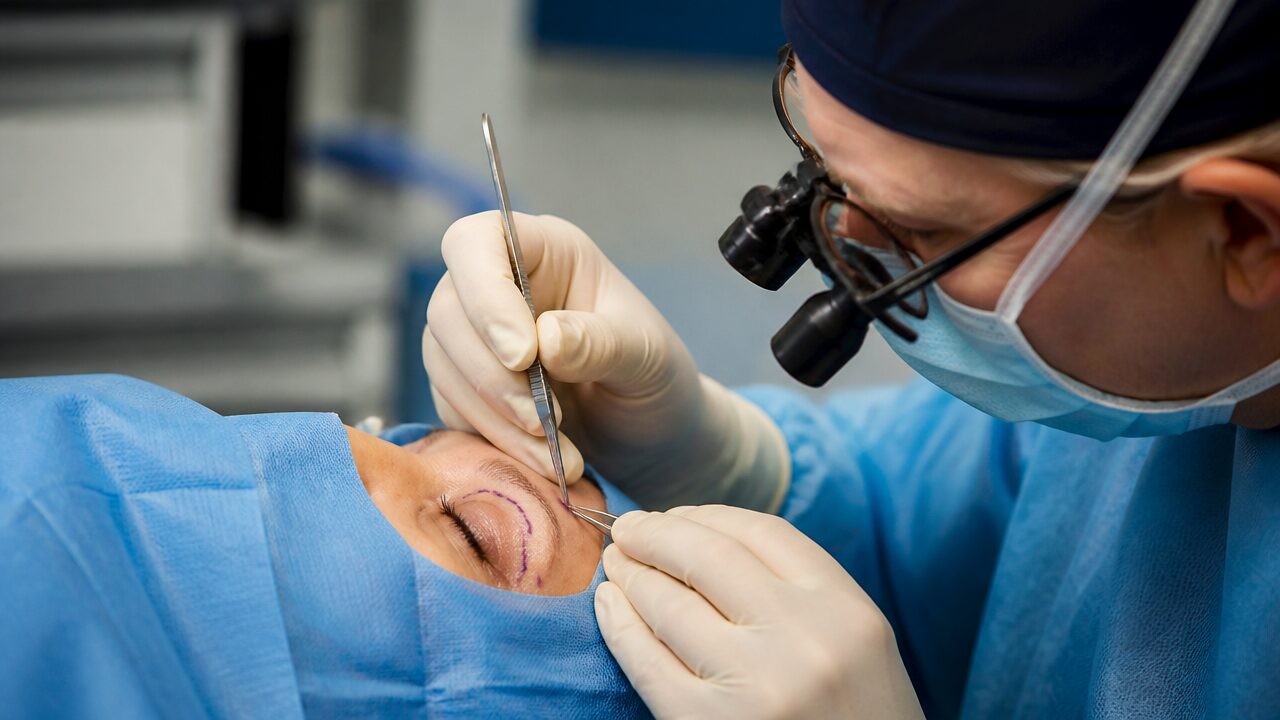
Eyelid aesthetic surgery (blepharoplasty) is a surgical operation performed to correct sagging, bags, puffiness and excess skin tissue that occur in the upper and lower eyelids. Signs of ageing around the eyes usually appear first in the eyelids, and this operation is preferred to give the person a younger, more dynamic appearance. But especially removing the excess tissue on the upper eyelid reduces forehead aches and eye fatigue, thereby improving daily performance and widening the field of vision. In other words, blepharoplasty can be applied not only for aesthetic concerns but also for functional problems.
What Is Eyelid Aesthetic Surgery (Blepharoplasty)?
Blepharoplasty is a surgical operation performed to rejuvenate the eyelids. It can be applied to both the upper eyelid and the lower eyelid. Upper-eyelid sagging can go so far as to obstruct the person's vision. In the lower eyelid, problems such as under-eye bags, puffiness and wrinkles occur.
The Purpose of Blepharoplasty
Upper eyelid: to remove the sagging skin and excess fat tissue, reducing the weight over the eyes and widening the field of vision. Lower eyelid: to correct bagging and puffiness under the eye, soften wrinkles, and achieve a smoother appearance.
Who Is Blepharoplasty Suitable For?
People who have signs of ageing and sagging, wrinkling or puffiness around the eyes. Cases where the field of vision is narrowed or the eyelid sags to a degree that obstructs sight. People who experience bagging or sagging at an early age due to genetic factors around the eyes.
How Is Blepharoplasty Performed?
Anaesthesia: the surgery is generally performed under local anaesthesia, and the patient does not feel pain during the procedure. However, in some cases general anaesthesia may be preferred. Upper-eyelid blepharoplasty: excess skin and muscle tissue is removed from the upper eyelid, and the fat tissue is also reshaped. The sutures are hidden in the natural eyelid crease. Lower-eyelid blepharoplasty: excess fat tissue and skin in the lower eyelid is removed or repositioned. Procedures aimed at reducing under-eye bags and wrinkles are carried out. Recovery process: after surgery there may be mild swelling and bruising. Healing is usually achieved within 1–2 weeks. The eyes may be covered for protection for a few days after surgery. The sutures are removed on the 7th–8th day.
The eyelid is a very vascular tissue and is highly prone to bleeding. Measures against this must definitely be taken. Therefore the patient's blood pressure should be lowered before surgery, and blood thinners should be stopped at least 10 days beforehand.
Advantages of Eyelid Aesthetics
Younger appearance: by removing the sagging and bags around the eyes, the face gains a younger and more dynamic look. Improved quality of vision: in people whose field of vision has narrowed due to upper-eyelid sagging, sight becomes clearer after surgery. Long-lasting results: blepharoplasty generally offers permanent and long-lasting results. Nevertheless, sagging may recur over the years and another operation may be needed.
Possible Risks and Side Effects
Temporary swelling and bruising: swelling and bruising may form around the eyes after surgery, but these usually pass within a few weeks. Dry eyes: there may be a feeling of dryness in the eyes after surgery. Eye drops relieve this problem. Eyelid asymmetry: although rare, slight asymmetries in the eyelids may be seen after surgery.
Recovery After Surgery
The recovery process usually takes 1–2 weeks. During this time swelling, bruising and mild discomfort may be felt around the eyes. To protect the eyes and reduce swelling, a cold compress may be applied for the first 48 hours (usually a few minutes every half hour). Sleeping upright reduces oedema, and horizontal sleeping is not advised for the first 48 hours. The cream given after surgery should be applied by gently rubbing it into the wound site so it is absorbed. Using the eye drops prescribed by the doctor regularly helps prevent the risk of infection.
Conclusion
Eyelid aesthetic surgery (blepharoplasty) is an effective surgical procedure that provides both aesthetic and functional benefits. While gaining a younger and more dynamic appearance after surgery, the field of vision restricted by sagging eyelids may also be widened. Blepharoplasty can help improve a person's quality of life and feel more confident. To plan the surgery and carry it out successfully, it is important to consult an experienced eye surgeon.
This page is for general information and does not replace a personal examination. The right approach is decided together after an eye examination.
Frequently asked questions
Will blepharoplasty affect my vision?
It can improve visual field obstruction from drooping lids but does not treat retinal disease. A preoperative retina/macula exam is mandatory to assess posterior segment status.
What is the recovery time and will scars be visible?
Swelling and bruising typically subside in 1–2 weeks; final results settle over weeks to months. Scars are placed in the eyelid crease and high‑precision techniques minimize visibility.