
Ectropion Surgery
A surgical procedure that tightens and repositions an outward-turning eyelid to protect the eye surface and restore its function.
What Is Ectropion?
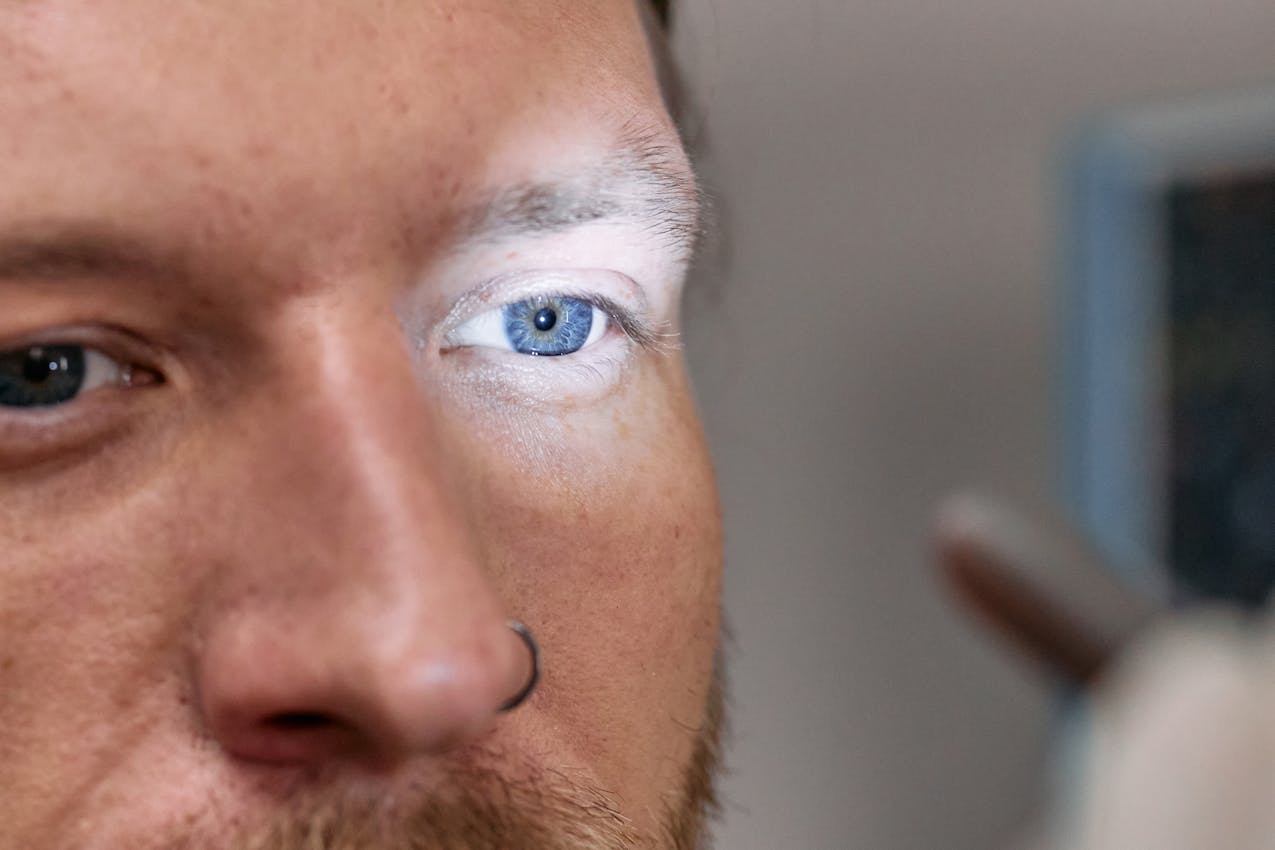
Ectropion is a condition characterized by the outward turning of the eyelid, especially the lower eyelid. This outward turning prevents the eyelid from fully closing and causes the eye surface to remain constantly exposed. Normally the eyelids act as a barrier that protects the eye surface from external factors. However, in ectropion, the eye surface is exposed to external influences and dryness, which can create serious discomfort. If the tear duct openings (puncta) that absorb excess tears also turn outward, watering of the eyes can also occur. It most commonly develops with ageing, because with age the muscles and connective tissues in the eyelid loosen and lose their elasticity. In addition, injuries, infections, skin diseases or congenital causes can also lead to ectropion.
What Is Ectropion Surgery?
Ectropion surgery is a surgical intervention performed to return the eyelid to its former position and to protect the health of the eye. Outward turning of the eyelid can lead to irritation, constant watering, dryness and infections in the eye. If left untreated, more serious complications such as permanent damage to the eye surface and vision loss can arise. The aim of the surgery is to tighten the eyelid again and to restore the eye's natural protection and function.
What Are the Causes of Ectropion?
Ageing: the connective tissues in the eyelids weaken with age, which can lead to ectropion. This is the most common cause. Injury or surgery: injuries around the eye or surgeries performed in the past can cause loosening of the eyelid and ectropion. Skin diseases: skin diseases that affect the eyelid in particular can form scars, causing the eyelid to take on a position different from normal. Congenital (congenital ectropion): some babies can have ectropion from birth, which is usually a structural problem.
How Is Ectropion Surgery Performed?
Ectropion surgery is a surgical procedure aimed at correcting the eyelid and is usually performed under local anaesthesia. The duration of the procedure varies depending on the patient's condition and the severity of the ectropion, but it usually takes between 30 minutes and 1 hour.
Stages of the Surgery
Anaesthesia: before the surgery begins, the area around the eye is numbed with local anaesthesia. This prevents pain from being felt in the eyelids. In some cases, especially in extensive surgical interventions, general anaesthesia may also be preferred.
Tightening the eyelid: the surgeon tightens the eyelid by repairing the muscles, connective tissues and excess skin in the eyelid. During this procedure, the excess looseness in the eyelid is removed and the eyelid is repositioned properly. If the ectropion is caused by scars in the skin, these scar tissues are also corrected or removed.
Sutures: after the eyelid is brought into the correct position, fine sutures are placed. These sutures are used to fix the eyelid and play an important role during the healing process. The sutures may either dissolve on their own or be removed after healing is complete.
Stabilizing the eyelid: during the surgery it may sometimes be necessary to use a skin graft (skin taken from another area). This graft is used to correct scars in the skin or to close the gaps formed by removing excess skin in the eyelid. The graft provides long-term stability of the eyelid.
Recovery After Ectropion Surgery
Ectropion surgery is usually performed as an outpatient procedure, meaning patients can return home the same day. The recovery process can vary from a few days to a few weeks, and during this time there may be some side effects and care requirements.
Side Effects After Surgery
Swelling and bruising: there may be swelling and bruising in the eyelid after surgery. This usually decreases within a few days. Mild discomfort in the eye: there may be mild pain and discomfort after surgery. This can be managed with the painkillers recommended by your doctor. Vision changes: mild blurry vision may be experienced in the first few days. This is temporary and returns to normal as the eyelid heals.
Aftercare
Eye drops and ointment: to prevent infection and reduce irritation in the eye, your doctor may prescribe eye drops and antibiotic ointment. Using these medications regularly speeds up healing. Warm compress: to reduce swelling in the eyelid, applying a warm compress to your eye after surgery may be recommended. Rest: it is important to rest your eye for a few days after surgery and avoid strenuous activities. You should especially avoid movements that put pressure on your eyelid.
Check-ups and Follow-up
After surgery your doctor will follow your eye throughout the healing process. The condition of the sutures, the healing process of the eyelid and signs of infection are checked regularly. The recovery process is usually completed within 2–4 weeks.
Advantages of Ectropion Surgery
Protecting the eye surface: when the eyelid is properly settled into place, the eye surface is protected from external factors and drying of the eye is prevented. Relief in the eye: the constant irritation, watering and redness caused by ectropion are aimed to be relieved after surgery. Improvement of visual function: when the discomfort in the eye is relieved, visual quality also improves.
Are There Risks to Ectropion Surgery?
As with any surgical procedure, ectropion surgery also has some risks. However, these risks are rare and can usually be prevented with appropriate aftercare. Possible risks include the following. Infection: there is a risk of infection at the surgical site, but this risk is minimized with the antibiotics given by the doctor. Re-loosening of the eyelid: there may be a risk that the eyelid loosens again over time after surgery. In this case, revision surgery may be needed. Excessive dryness or watering in the eye: the eye's natural tear balance may change after surgery. Problems with the sutures: opening or inflammation of the sutures can occur, though rarely.
Don't Delay Ectropion Treatment
If left untreated, ectropion can lead to permanent damage in the eye. The constant exposure of the eye surface increases the risk of drying and infection and can lead to more serious vision problems. If you are experiencing constant watering, irritation or dryness in the eye, it is important not to delay treatment.
This page is for general information and does not replace a personal examination. The right approach is decided together after an eye examination.
Frequently asked questions
What is ectropion and when is surgery indicated?
Ectropion is outward turning of the eyelid. Surgery is indicated when the exposed ocular surface causes irritation, chronic tearing, recurrent keratitis or risk of corneal damage.
What should I expect during recovery and what are the risks?
Typically outpatient surgery; swelling/bruising for 1–2 weeks, sutures removed around 7–10 days. Risks include recurrence, over/under‑correction, infection or scarring. Untreated ectropion can threaten the cornea; multidisciplinary retinal care is provided if needed.