
Upper Eyelid Aesthetics (Blepharoplasty)
Upper-lid blepharoplasty corrects sagging, puffiness and excess skin on the eyelid for both aesthetic and functional reasons. Here we explain why the lid droops, who the surgery suits and how the process works.
What Is Upper Eyelid (Blepharoplasty) Surgery?
In this article I will describe an operation that has become very common lately for both aesthetic and functional reasons: upper-lid blepharoplasty. Blepharoplasty is a surgical procedure performed to correct aesthetic or functional problems of the eyelid such as aging, sagging, puffiness and excessive skin accumulation. With advancing age, the skin around the eyes loses its elasticity and the muscles weaken. This both causes aesthetic concerns and can make the eyelid sag and narrow the field of vision. This operation is one of the most effective solutions for resolving these problems and creating a younger, fresher eye area. Excess skin building up on the upper eyelids makes the lids heavy; this heaviness burdens the lids and causes them to droop, which narrows the quality and field of vision and can reduce a person's performance during the day. Without realizing it, the person constantly raises their eyebrows to counter this weight. When this increases, it can lead to headache and a feeling of heaviness, daytime fatigue, and in the long term wrinkles on the eyelid and forehead.
Why Does Eyelid Drooping Occur?
Genetic factors, chronic allergy, frequent eye rubbing and skin structure can all speed up the sagging. In some people, especially when these reasons are present, a droopy and tired appearance of the upper eyelids can develop even in their thirties. In the natural aging process, collagen and elastin in the skin decrease, the fat pads herniate forward, and the muscles and connective tissues loosen. For this reason, the most common cause of upper-eyelid sagging is aging. After the ages of 35–40, the skin begins to lose its elasticity, the supporting connective tissue beneath the skin loosens, and excess skin slowly forms on the lids. Over the years, gravity causes the lid skin to sag downward. Smoking, excessive sun exposure, irregular sleep and unhealthy eating accelerate this process. Another cause is genetic predisposition. In some people, lid sagging appears earlier due to genetic features, and similar problems are seen in their family members. Sagging also begins earlier in those with thin skin; in thin-skinned people, sagging and wrinkling are more pronounced. Another common cause is constant eye rubbing, allergic swelling and inflammatory conditions. People with a lot of hand–eye contact tend to rub their eyelids frequently out of habit. This cause leads to earlier eyelid sagging especially in people with thin skin and a stronger genetic background. That is why eye doctors advise you not to rub your eyes and eyelids.
Who Is Upper-Lid Blepharoplasty Suitable For?
Those whose field of vision is narrowed: if the sagging lid covers the front of the pupil and blocks vision, this surgery becomes a functional necessity. Those who complain of a constantly tired or sleepy appearance: lid sagging can give a person an older and more exhausted expression than they really have. Those who have to raise their eyebrows to see: if the excess skin forces a person to constantly raise their eyebrows to see, this can cause fatigue in the head and forehead muscles and even headaches. Those with a cosmetic concern about the lid skin: skin buildup when applying makeup, difficulty applying eyeshadow evenly, or aesthetic concerns can be reasons for surgery.
How Does the Blepharoplasty Process Work?
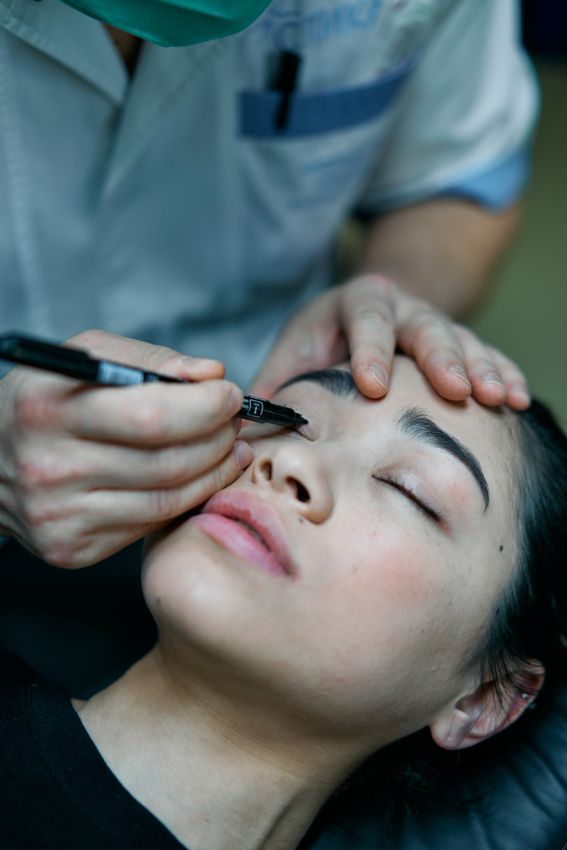
First, our patients are assessed in the examination, and it is determined how much excess skin there is and whether there is fat tissue or muscle laxity. The surgical plan is made individually. If the person has eyelid drooping (ptosis) due to muscle weakness, this also needs to be repaired; otherwise removing the excess skin alone is of no benefit. Before surgery, the eyelids are marked according to the person's eye structure and the degree of sagging. The operation is usually performed under local anesthesia. During surgery, the excess skin is carefully removed and, if needed, the fat tissues that have herniated forward are cleared. The aim is to give the eyelid a natural, aesthetic appearance, avoiding an exaggerated, artificial result or anything that could harm the eyelids. The incisions made are hidden within the natural fold of the eyelid, so the scar is not noticeable once it heals. After surgery, there may be mild swelling and bruising for the first few days. The sutures are usually removed 5 to 8 days after the operation. Most patients can comfortably return to their social life and work within a week. By the first month the swelling fully resolves, the incision line gradually fades and hides within the lid fold, and the eyelid takes on a more natural, symmetrical and settled appearance. During this period there may be a feeling of mild tightness or dryness in the eyes, which is usually temporary. By the third month the lids look completely natural.
In conclusion, this operation is for people who want a more aesthetic and fresher appearance of the eyelids, and for those whose quality of vision has dropped because of a narrowed field of view. The likelihood of risk and complications is low, but it should not be forgotten that every surgery can carry risk.
This page is for general information and does not replace a personal examination. The right approach is decided together after an eye examination.
Frequently asked questions
Who is a candidate for upper blepharoplasty?
Patients with upper eyelid sagging, excess skin, or visual field impairment from lids. Our retina-and-vitreoretinal team evaluates visual function and surgical indications before treatment.
I have macular or retinal disease — is blepharoplasty safe for me?
In most cases yes, after a comprehensive preoperative retinal/macular assessment. We coordinate timing and precautions with our vitreoretinal surgeons to minimize retinal risk.

A Guide to Good Sleep
Good sleep may be the most wonderful medicine we give our bodies. Here we explain why sleep matters, what to avoid, and what to do for restful, restorative nights.

Ultraviolet Light and Its Harm to the Eye
Ultraviolet rays can harm the eye over both the short and long term. Here we explain what affects UV intensity, how it damages the eye, and how to protect yourself.

Nutrition and Vitamins for Macular Disease
The macula may be the eye structure most affected by diet. Here we explain which foods and vitamins can help slow age-related macular disease.