
Trichiasis Surgery
A procedure that removes or redirects inward-growing eyelashes so they stop rubbing against the eye surface.
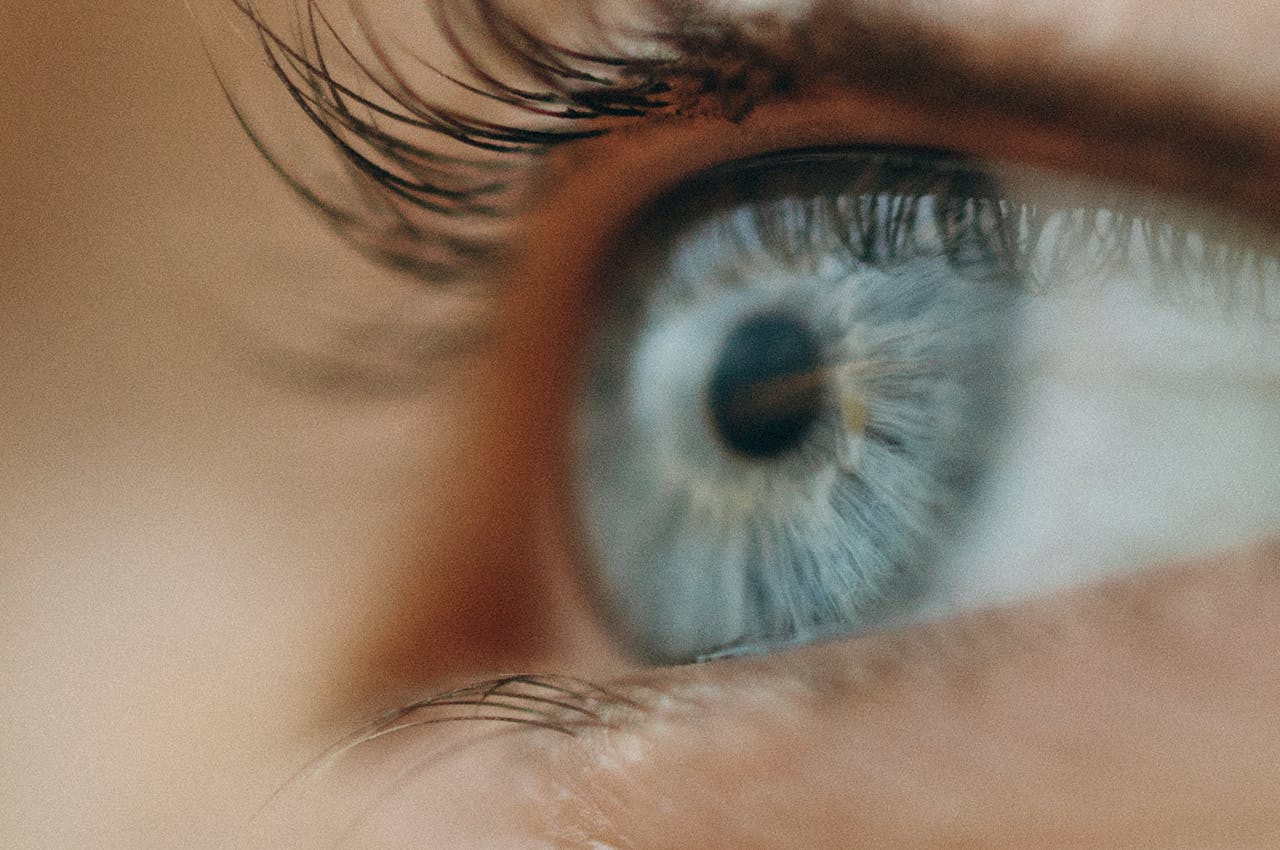
Trichiasis is a condition in which the eyelashes grow abnormally inward, turning toward the cornea and conjunctiva (the thin layer that covers the white of the eye and the inner surface of the eyelids). Normally the lashes grow outward, but in trichiasis they rub against the eye surface and can cause irritation, pain and infection. Trichiasis can create ongoing discomfort in the eye and, if left untreated, can lead to serious corneal damage and vision problems.
Symptoms of Trichiasis
The symptoms of trichiasis usually appear as irritation and constant discomfort in the eye. There is a persistent stinging and burning sensation, because the lashes touch the eye surface. The eye becomes red, swollen and irritated where the lashes rub against it. The eye may produce excessive tears as it tries to relieve the irritation caused by the rubbing. The irritation and friction can affect the quality of vision and lead to blurred vision. Infections can develop because of the rubbing, which over time can lead to more serious eye problems.
What Is Trichiasis Surgery?
Trichiasis surgery is the surgical removal of the inward-growing lashes or correction of their direction. By preventing the lashes from harming the eye surface, this operation stops the irritation and the long-term complications in the eye. Trichiasis surgery is generally used in cases that cannot be resolved otherwise or that keep recurring.
If the discomfort caused by the lashes rubbing on the eye surface is mild, conservative treatment methods may be preferred at first. However, if the condition is left untreated it can lead to serious consequences such as scarring of the cornea and loss of vision.
Treatment Options for Trichiasis
There are several different methods that can be used to treat trichiasis. The method is chosen depending on the number of lashes, their location and the damage they cause to the eye.
Manual removal of the lashes (epilation): if only a few lashes are involved and the discomfort is mild, the doctor can remove the lashes manually with forceps or a similar instrument. However, this is generally a temporary solution, because the lashes grow back.
Electrolysis: this method permanently destroys the lashes by applying a low-voltage electric current to the lash roots. Electrolysis offers a long-lasting solution for recurring lash problems. However, treating all of the lash roots effectively can take time.
Cryotherapy: this is a procedure that destroys the lash roots by freezing them. The aim of this method is to prevent the lashes from growing back. Cryotherapy gives results similar to electrolysis and can provide a permanent treatment.
Laser ablation: laser ablation is the permanent destruction of the lash roots using laser beams. This method provides a fast and effective treatment and can prevent the lashes from growing back. Laser procedures generally offer a more precise and controlled treatment than the other methods.
Surgical correction (redirecting the lashes): surgery is performed to permanently change the direction of the lashes or to completely remove the inward-turned lashes. This method is preferred in advanced cases and in recurring trichiasis. The surgeon corrects the muscles and the skin of the eyelid to make the lashes grow in the right direction.
How Is Trichiasis Surgery Performed?
Trichiasis surgery is usually performed under local anesthesia. Depending on the number and condition of the lashes, the procedure can be completed in a short time. The operation is carried out in the following steps. Anesthesia: the area around the eye is numbed with local anesthesia, so the patient feels no pain during the procedure. Removal or redirection of the lashes: the surgeon removes the inward-growing lashes with forceps, or removes them permanently with a method such as laser or electrolysis. If a more permanent solution is needed, the lash roots are destroyed so that the lashes do not grow back. If there are many lashes, their direction is corrected surgically. Incision and sutures: if surgery is required, the surgeon makes a small incision in the eyelid to correct the direction of the lashes. After the procedure the eyelid is carefully sutured.
Recovery After Surgery
The recovery period after trichiasis surgery is generally fast, and the patient can return to daily life within a short time. However, it is important to follow the care instructions recommended by the doctor throughout the recovery period.
In the first days there may be mild discomfort, stinging and watering in the eye after surgery; this passes within a few days. There may be mild swelling and redness around the eye, and these signs usually disappear within a few days.
Eye care and eye drops: the doctor may prescribe antibiotic eye drops to prevent infection, and these drops should be used regularly. To protect the eye from external factors after surgery, the doctor may recommend an eye patch or protective glasses.
Follow-up: regular doctor check-ups are carried out for a few weeks after surgery. The doctor closely monitors the healing of the eye and applies additional treatments if necessary.
Benefits of Trichiasis Treatment
Protecting eye health: by preventing the lashes from harming the eye surface, trichiasis treatment helps prevent corneal damage and vision loss in the long term. Providing relief: the operation can remove the constant irritation, stinging and discomfort in the eye and improve the patient's quality of life. A lasting solution: surgical treatments and methods such as laser prevent the lashes from turning inward again and offer long-term, permanent solutions.
Risks of the Surgery
Like every surgical procedure, trichiasis surgery also carries some risks, although these are generally minimal. Infection: although the risk of infection after surgery is low, antibiotic treatment keeps this risk to a minimum. Eyelid asymmetry: mild asymmetry in the position of the eyelid may develop after surgery. Regrowth of the lashes: in rare cases the removed lashes may grow back, and additional treatment may then be needed.
Do Not Delay Treatment
Trichiasis is a serious condition that threatens eye health and, if left untreated, can lead to permanent vision loss. If you are experiencing symptoms such as constant stinging, redness and watering in the eye, early diagnosis and treatment is the most effective way to protect your eye health. Do not neglect to consult your eye doctor for detailed information about trichiasis and to evaluate the appropriate treatment options.
This page is for general information and does not replace a personal examination. The right approach is decided together after an eye examination.
Frequently asked questions
What is trichiasis?
Trichiasis is the inward growth or misdirection of eyelashes causing friction on the cornea or conjunctiva, which can lead to pain, erosion, and infection.
What does the surgery involve and what is recovery like?
Under local anesthesia lashes are removed or eyelid margin corrected; sutures may be used. Recovery is usually 1–2 weeks with scheduled follow‑up to monitor healing and recurrence.