
Laser & Smart Lens Correction
Surgical options, laser vision correction and intraocular lenses, that aim to reduce or remove the need for glasses and contact lenses.
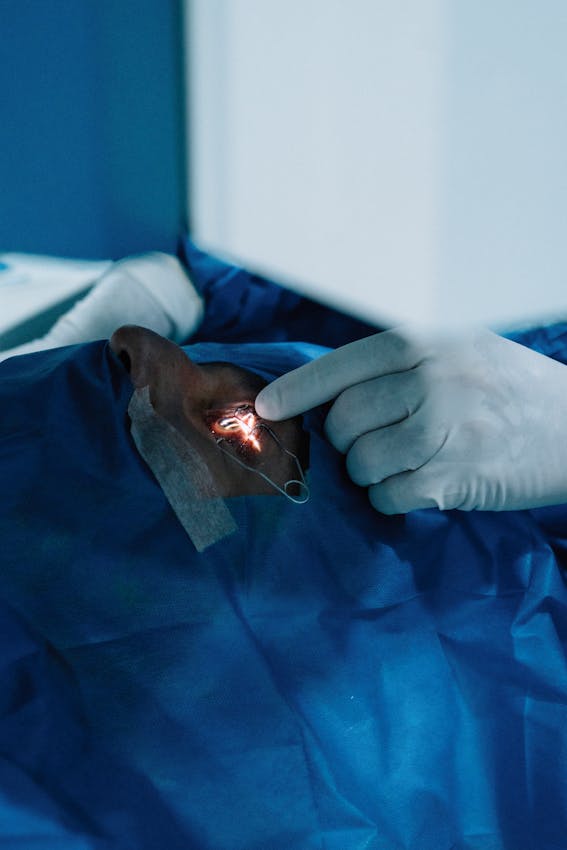
I don't want to wear glasses. How do I become glasses-independent?
What our patients call "getting rid of glasses" and what we eye doctors call "gaining glasses independence", needing glasses little enough that they no longer shape your day, can be achieved with several different eye surgeries. These are definitive and lasting treatments for refractive errors, removing the need for an external aid such as glasses or contact lenses. The most common methods are LASIK, PRK, SMILE, phakic lens surgery, and intraocular (smart) lens surgery.
In LASIK (Laser-Assisted In Situ Keratomileusis) a thin flap is lifted on the cornea and the shape of the cornea is corrected with the laser, so that light focuses correctly on the retina and the image becomes sharp. It is generally known for a fast recovery and minimal pain, and it is suitable for astigmatism, myopia (difficulty seeing far) and hyperopia (difficulty seeing near). Results tend to be more successful at a younger age. Because the method is performed on the cornea, it cannot be used in people whose cornea is not suitable.
In PRK (Photorefractive Keratectomy, also called no-touch laser) the surface epithelial layer of the cornea is removed and the shape of the cornea is then corrected with the laser. It gives results similar to LASIK, but the recovery period is somewhat longer and post-operative pain may be greater. It is preferred when the cornea is very thin or when conditions are not suitable for LASIK.
In SMILE (Small Incision Lenticule Extraction) a lenticule, a small piece of tissue inside the eye, is removed through a small incision on the cornea. This changes the shape of the cornea and corrects its focusing ability. It is a minimally invasive method that offers less post-operative pain and faster recovery, and is generally suitable for myopia and astigmatism.
In phakic lens surgery an artificial lens is placed inside the eye, in front of the natural lens; the natural lens is not touched. It allows correction of high refractive errors in eyes whose cornea is not suitable for laser, or that cannot be corrected by laser, and it can be removed when desired. It is applied in high-degree refractive errors, and the structure of the eye must be suitable for it to be performed.
In IOL (intraocular / smart lens) surgery an artificial lens is placed inside the eye in place of the natural lens. This is usually done together with cataract surgery, but in some cases the natural lens can be removed and replaced with an artificial one even without cataract. It allows correction of high refractive errors and can be effective in age-related lens change; it can be applied in patients over 45–50 years of age, and may suit both younger and older patients, although it is preferred in the setting of cataract or age-related lens changes.
Every surgery has its own advantages, risks and recovery process. It must not be forgotten that different methods apply to each eye structure, occupation, visual need and age, and your eye doctor will choose the most suitable treatment together with you after assessing your situation.
What is laser eye surgery?
Laser eye surgery is a surgical treatment method used to correct refractive errors in the eye. By reshaping the cornea with a laser, it aims to correct refractive errors and provide clear vision. In myopia the central cornea is treated with the laser to flatten it, reducing its refractive power so that rays fall on the retina; in hyperopia the peripheral cornea is treated to steepen it, increasing its refractive power so that rays fall on the retina. Eye problems such as myopia (difficulty seeing far), hyperopia (difficulty seeing near) and astigmatism can be treated with laser.
Why is it performed and what is its aim? It is done to reduce or completely remove the need for glasses or contact lenses: the corneal surface is reshaped with the laser so that light focuses correctly on the retina. Many people choose laser treatment to be free of glasses and lenses, to gain glasses independence, especially those for whom wearing glasses is difficult in terms of lifestyle. Laser surgeries generally offer a fast recovery, and most patients regain clear vision within a few days.
Types of laser eye surgery: In LASIK, the most common type, a thin flap is lifted on the corneal surface and the underlying tissue is reshaped with the laser; refractive errors are corrected this way, with fast recovery and clear vision within a few days. In PRK the epithelial layer on the corneal surface is removed completely and the tissue beneath is shaped with the laser; recovery can be longer than with LASIK, but it may be suitable for patients with thinner corneas. In SMILE a small piece of tissue called a lenticule is removed from inside the cornea through a small incision: a more minimal intervention, less invasive, with possibly less ocular sensitivity.
Who is laser eye surgery suitable for? People whose eye prescription is stable: stability of the prescription is generally expected in individuals aged 18 and over; people whose cornea is thick enough, since the cornea is reshaped during the laser procedure; and people whose general eye health is good: laser may not be suitable for people with conditions such as dry eye, retinal diseases or keratoconus.
Risks and side effects: some patients may experience temporary or permanent dry eye syndrome after laser surgery; some people may develop night-vision problems or light reflections (halos); and rarely the refractive error may not be fully corrected and an additional treatment may be needed. Laser surgery is a treatment option that improves quality of life for many people. However, this surgical intervention may not be suitable for every patient, and a detailed eye examination beforehand is essential. In this examination a detailed biomicroscopic examination, corneal topography (corneal mapping looks at the steepness/flatness, thickness, posterior corneal surface and curvature of the cornea), a dilated/cycloplegic examination and a retinal examination are performed.
What does "having your eyes lasered" mean?
The procedure popularly known in Turkish as "göz çizdirme" ("having the eyes scored") actually refers to refractive surgery operations that mean reshaping the corneal surface with a laser. These operations are generally performed with an excimer laser and, although popularly called "eye scoring," in the medical literature they are known by names such as LASIK (Laser-Assisted in Situ Keratomileusis), PRK (Photorefractive Keratectomy), LASEK (Laser-Assisted Sub-Epithelial Keratectomy) and SMILE.
In the years before the excimer laser existed, this surgery was done by making deep scores on the eye with diamond blades, which is why, even though we have since moved to lasers, the popular name has stuck. These procedures are used to correct refractive errors such as myopia, hyperopia and astigmatism. With the help of the laser the shape of the cornea is changed so that the eye focuses light correctly, reducing or completely removing the person's need for glasses or contact lenses.
The treatment process and aftermath can vary according to a person's eye structure. Although the procedure is common, it may not be suitable for everyone; the decision should be made by an eye doctor after a detailed eye examination.
Who can have laser surgery? Conditions and age for laser eye surgery.
Laser eye surgery, popularly known as "eye scoring", is a surgical procedure to correct refractive errors. It may not be suitable for every patient, and there are certain criteria and conditions to be a candidate.
Age: laser eye surgery is generally suitable for individuals aged 18 and over. Until this age the prescription may still change, so a stabilised prescription is important for surgery. In some people this stability may not occur until age 20–21.
Stable prescription: to be suitable, the prescription should have remained stable for at least one year. If the prescription is steadily increasing, the results after surgery may not be lasting.
Eye health: good general eye health is an important criterion. In particular, the cornea must be thick enough; if corneal thickness is below normal, surgery cannot be performed. Surgery may not be suitable in people with conditions such as keratoconus, cataract, glaucoma or dry eye.
Corneal thickness: during surgery the cornea is thinned and reshaped with the laser, so corneal thickness must be at a suitable level. If the cornea is too thin, the risk of complications after the laser may increase.
Ranges for myopia, hyperopia and astigmatism: it is generally performed in myopia of about -1.00 to -10.00 diopters; it can be applied in hyperopia of about +1.00 to +6.00 diopters; and it can be used to treat astigmatism of about 1.00 to 6.00 diopters.
Pregnancy and breastfeeding: laser eye surgery is not recommended during pregnancy and breastfeeding, because hormonal changes can affect the prescription. It is therefore preferred to perform surgery in a period when hormones are stable.
Regular eye examination: a detailed eye examination is needed before surgery. In addition to the prescription, this examination evaluates eye health, corneal thickness, the general structure of the eye and whether it is suitable for laser treatment; the laser is performed according to these assessments.
Immune system diseases: laser treatment can be risky in people with immune system disorders or autoimmune disease. For example, conditions such as lupus and rheumatoid arthritis can adversely affect the eye's healing.
Contact lens use: contact lens use must be paused for a certain period before surgery. For hard lens users this period is generally 2–3 weeks, and for soft lens users about 1 week, since long-term lens wear can affect the cornea.
General health and medication: some conditions such as diabetes, autoimmune diseases, pregnancy and breastfeeding can be risky for laser surgery. In people using corticosteroids or immune-suppressing medications, healing can take longer and surgery is not recommended.
Expectations and motivation: laser surgery can reduce or completely remove dependence on glasses and lenses, but it may not always provide 100% perfect vision, so it is important that patients have realistic expectations. Willingness to follow post-operative care instructions and attend regular check-ups is also important.
Who cannot have laser eye surgery?
Laser surgery is generally not performed in: people with keratoconus (a thinned, weakened cornea); people with dry eye syndrome (insufficient tear production); people whose cornea is thinner than normal or steeper/flatter than normal; pregnant or breastfeeding women; people with glaucoma (eye pressure); and people with other eye problems such as cataract.
Assessment and examination before laser surgery
A detailed eye examination is performed before surgery. During this examination corneal thickness, the prescription, eye health and general health are evaluated. If these criteria are met, you may be a suitable candidate for laser eye surgery. It is important to have a detailed assessment and consultation with your eye doctor beforehand; every eye and every patient is different, so your doctor will determine whether surgery is right for you.
What to pay attention to after laser surgery
In the first few days after surgery there may be stinging, watering and mild pain in the eye; these are normal and are controlled with the eye drops your doctor recommends. A few days of rest and eye protection are needed: do not rub the eyes, and avoid dusty and dirty environments. During the first week, swimming, make-up and intense physical activity should be avoided.
Regular eye examinations should be carried out during the first few months after surgery. Exposure to ultraviolet light should especially be reduced and sunglasses should be worn for a few months. Eye drops should be used regularly, and screen use should be limited for the first few days.
At what age is laser surgery performed?
Laser surgery (refractive surgery) is generally performed in individuals older than 18. The main reason is that refractive errors (myopia, hyperopia, astigmatism) can change during childhood and adolescence. For most people, the development of the eye is completed around the age of 18. Performing surgery at an earlier age therefore carries the risk of the prescription progressing, which can affect the long-term success of the treatment.
That said, the ideal age range for laser surgery is generally considered to be between 20 and 40. In this age group the prescription becomes stable and the results of the operation can be longer-lasting. After 40, age-related vision problems such as presbyopia (difficulty with near vision) may appear, which can bring different treatment options into consideration. But this does not mean laser cannot be done after 40: laser can be performed even in a 70-year-old patient if conditions are suitable. Because every person's eye structure and general health are different, the decision for such an operation must always be made after a detailed eye examination and doctor's assessment.
LASIK laser surgery
LASIK (Laser-Assisted In Situ Keratomileusis) is one of the most common laser eye surgeries, performed to reduce or completely remove the need for glasses or contact lenses. It is especially used to correct vision problems such as myopia (difficulty seeing far), hyperopia (difficulty seeing near) and astigmatism.
How is LASIK performed? First, a thin flap is created in the uppermost layer of the cornea (the epithelium), using a surgical blade called a microkeratome or a femtosecond laser. After the flap is lifted, the deeper layer of the cornea (the stroma) is reshaped with an excimer laser; this allows the eye's light to focus correctly on the retina and corrects vision problems. After the cornea is reshaped, the flap is carefully repositioned; because it adheres on its own, no stitches are needed.
Advantages of LASIK: fast recovery, with most patients able to return to normal life within a few days; it is painless, since local anaesthetic eye drops are used during the procedure; it is a short operation, taking roughly 15–30 minutes in total for both eyes; and it is quite effective at correcting the great majority of vision problems.
Who is suitable for LASIK? People over 18; those whose prescription has been stable over the past year; those whose cornea is thick enough; those with good general eye health (for example, without conditions such as dry eye syndrome or keratoconus); and those who are not pregnant or breastfeeding. With its fast recovery, LASIK is a method many people prefer; however, not every eye structure is suitable for it, so a detailed eye examination is necessary.
PRK and NO-TOUCH laser surgery
PRK (Photorefractive Keratectomy), or no-touch laser, is a laser eye surgery method used to correct vision problems. It treats vision issues such as myopia (difficulty seeing far), hyperopia (difficulty seeing near) and astigmatism. PRK gives results similar to LASIK but is applied with a different technique.
How is PRK performed? In PRK, the epithelial layer forming the topmost surface of the cornea is removed completely, manually or with the help of a laser; this layer renews itself within a few days. Using an excimer laser, the tissue on the corneal surface is reshaped so that light focuses correctly inside the eye and the vision problem is corrected. Because the corneal epithelium has been removed, the eye may be a little more sensitive during recovery, so a protective contact lens is placed on the eye surface and healing can take a few days; full recovery and sharpening of vision can take a few weeks.
Advantages of PRK: it is suitable for people with thin corneas: it can be preferred in patients whose corneal thickness is not enough for LASIK, since no flap is created in the cornea. There is no risk of flap problems: because no flap is created as in LASIK, there is no risk of flap-related complications, which is an advantage especially for occupations and athletes at risk of trauma. PRK results are generally lasting and successful in the long term.
Disadvantages of PRK: the recovery period is longer than with LASIK: full healing of the eyes and sharpening of vision can take a few weeks. There may also be discomfort, a stinging sensation and blurred vision for a few days after surgery.
Who is suitable for PRK? People with thin corneas who cannot have LASIK; people with an active lifestyle, such as athletes, who do not want a flap created in their eyes; and people whose eye structure is suitable for PRK: those with good general eye health and a stable prescription. Although PRK requires a longer recovery period than LASIK, it is a good and safe alternative, especially for patients with thin corneas. It has been in use for far more years than LASIK and remains an effective and safe option.
SMILE (lenticule surgery) laser surgery
SMILE (Small Incision Lenticule Extraction) is one of the new-generation laser technologies used to correct refractive errors. It was developed as an alternative to traditional laser surgeries such as LASIK and PRK because it is less invasive and offers a fast recovery.
What is SMILE? SMILE is a minimally invasive laser surgical method used to treat myopia and astigmatism. With this method, without making a large incision in the eye, a thin disc (lenticule) is removed from inside the cornea through only a small incision, correcting the refractive error. During SMILE, a technology called the femtosecond laser is used, and this laser precisely cuts the tissue beneath the cornea.
Advantages of SMILE: it is minimally invasive: no wide incision is made on the cornea, so recovery may be faster. The risk of dry eye is reduced, because the corneal nerves are less damaged during the procedure, so the risk of dry eye after surgery is lower. Recovery can be faster than with LASIK and PRK, and patients can mostly return to normal life within a few days. Corneal stability is preserved, because less is done to the front part of the cornea, protecting its structural stability.
Who is suitable for SMILE? It is ideal for people with myopia and can generally be applied in myopia of about -1.00 to -10.00 diopters. Patients with astigmatism may also be suitable for SMILE: astigmatism of up to about 5 diopters can be corrected. It is suitable for people whose prescription has been stable for at least one year.
Disadvantages of SMILE: hyperopia cannot be treated: SMILE is currently used only to treat myopia and astigmatism, not hyperopia. As it is a newer technology, not all eye doctors may offer this method, and it is applied in certain centres.
The SMILE surgical process: under local anaesthetic drops applied to the eye, so the patient feels no pain during the procedure, a thin piece of tissue (lenticule) is created inside the cornea using the femtosecond laser. A small incision is then opened and the lenticule is carefully removed, correcting the shape of the cornea and eliminating the refractive error.
The SMILE recovery process: fast recovery is generally expected after surgery, and clear vision can be achieved within a few days. There may be mild stinging, watering and sensitivity in the eye, but these are usually short-lived. Full recovery of the eye can take a few weeks, during which the eye drops prescribed by the doctor should be used regularly. In conclusion, SMILE offers a minimally invasive, fast-recovery option for people who want to correct refractive errors and be free of glasses or lenses. A detailed examination beforehand is essential to assess whether the eye structure is suitable for this method.
What are the side effects and complications of laser eye surgery?
Although laser eye surgeries are generally considered safe, as with any surgical intervention there are some side effects and risks of complications. Laser eye surgeries are among the most commonly performed surgical procedures in the world. Even though the technology improves every year, some disadvantages exist. These complications are usually temporary, though rarely they can be permanent.
Dry eye syndrome: after laser surgery, tear production can decrease in some people, causing dryness and discomfort. It is usually temporary and is controlled with eye drops. Symptoms include stinging, a feeling of dryness and blurred vision. Treatment includes artificial tear drops, special eye drops, or other treatments depending on severity.
Night-vision problems: after laser surgery some people may experience deterioration in night vision, light reflections or halos (circular lights around light sources). Symptoms include reduced night vision, difficulty driving, and seeing halos around lights. These side effects usually improve within a few months after surgery, but rarely can be permanent.
Fluctuations in visual quality: visual acuity can fluctuate from time to time after surgery, and changes may occur over a few weeks before full clarity is reached. Symptoms include blurred vision, difficulty focusing and occasional clear-vision problems; this is usually temporary and improves over time.
Corneal flap complications (for LASIK): complications can occur in the flap created in the cornea during LASIK, such as the flap not seating fully or shifting, which can lead to vision problems. In serious cases an additional surgical intervention may be needed.
Hypo/hypercorrection (under- or over-correction): it is possible for the laser not to fully correct the refractive error (hypocorrection) or to over-correct it (hypercorrection); in this case an additional surgery (retouch) may generally be needed.
Decreased vision or permanent vision loss (rare): permanent vision loss can rarely occur after laser surgery, usually as a result of serious complications or infections, and prompt intervention is required. Infection and inflammation: as with any surgical procedure, there is a risk of infection after laser surgery; if an infection occurs the risk of vision loss can increase. Infection is usually treated with antibiotic eye drops, but more comprehensive treatment may be needed in serious cases.
Reduced visual acuity: the expected visual acuity may not be achieved after surgery, and in a small percentage of patients vision may not be good enough to do without glasses; additional surgery may be needed, or glasses/lens use may continue. Retinal problems: serious complications such as retinal detachment (separation of the retina) can rarely occur after laser surgery, and may require emergency surgical intervention.
After surgery it is very important not to rub the eye in the first few days, to keep the eyes clean, and to use the eye drops the doctor prescribes regularly. The eyes can be very sensitive in the first few weeks, so using sunglasses and protecting from UV light is recommended. To reduce risks, a detailed eye examination beforehand is critical to determine whether you are suitable for laser, and following the doctor's instructions afterwards reduces the risk of infection and complications.
Is laser eye surgery harmful?
Laser refractive surgery (for example LASIK or PRK) is generally a safe procedure and has been successfully applied to millions of people worldwide. However, as with any surgical procedure, it does have some risks and possible side effects. These are usually rare, but it is important to be aware of possible complications and risks.
Possible risks and side effects include: dry eye: temporary or permanent dryness can occur after laser surgery, with reduced tear production, stinging and discomfort, which tear drops can ease. Vision disturbances: rarely, night-vision problems, light scatter (halos), glare and reduced contrast sensitivity can occur, often more noticeable in dim lighting. Under- or over-correction: the refractive error may not be fully corrected, leaving some of the error or producing over-correction, and an additional treatment may be needed. Corneal ectasia: a rare complication characterised by weakening and distortion of the cornea, which may require advanced treatment. Infection: the risk is low, but an eye infection can develop without good care and, if untreated, can lead to more serious problems. Return of the prescription: in some people the prescription can return over time, a risk that is greater especially in people with high myopia or those whose eye development is not fully complete.
Benefits of laser surgery: it reduces or can completely remove the need for glasses or contact lenses, and for most people the results are long-lasting and improve quality of vision. Suitability: the risks vary according to personal eye structure, general health and the prescription. Factors such as whether the eye has a thick enough cornea, a history of dryness and eye pressure should be considered when deciding whether this surgery is right for you. In conclusion, although laser surgery is generally a safe procedure, risks are always present, so it is important to have a detailed assessment with the doctor beforehand and to take all possibilities and risks into account.
What is corneal topography (corneal mapping)? How and why is it done?
Corneal topography (corneal mapping) is a diagnostic method that measures and maps in detail the shape and curvature of the cornea: the eye's outermost transparent layer. By imaging the corneal surface in 3D, it detects irregularities and abnormalities. Because it produces a map of the front surface of the eye, it can be thought of as a "topographic map."
How is corneal topography done? It is a non-invasive procedure: no contact is made with the eye. The patient places their head in a special frame of the device and looks at a fixed point with the eyes open while the eye is kept steady so it does not move. The topography device (using, for example, Placido discs or Scheimpflug cameras) projects a light pattern onto the eye's surface; these patterns distort according to the curvatures of the corneal surface. The device captures the reflected images and digitally analyses the cornea's curvature and shape irregularities, converting the data into a detailed topographic map. The results are presented as a colour map: flat areas are usually shown in green or blue, and steeper, more curved areas in red or yellow tones.
Why is corneal topography done? It plays a critical role in the diagnosis, follow-up and treatment planning of various eye problems. It is important in the diagnosis and follow-up of keratoconus (a disease in which the cornea thins, bulges forward and takes on an irregular shape) being a key tool for early diagnosis and monitoring progression. It is essential in refractive surgery planning: before procedures such as LASIK and PRK, the structure of the cornea must be examined in detail, and topography provides information on corneal thickness and curvature, optimising surgical planning. It is used in contact lens fitting, especially for special lenses such as rigid gas-permeable (RGP) lenses, to ensure the lens seats correctly on the cornea. It helps in corneal transplant planning, assessing surface irregularities. It is used in assessing scar tissue and irregularities after trauma or infection, and in determining the type and degree of astigmatism.
Benefits of corneal topography: early diagnosis: particularly important in progressive eye diseases such as keratoconus, where topography provides a critical diagnostic tool. Treatment planning: it eases planning by offering detailed information before procedures such as refractive surgery or corneal transplant. Follow-up of treatment results: it can be used to monitor the cornea's recovery after surgeries or lens fittings. In short, corneal topography is a vitally important imaging method for evaluating corneal health and diagnosing many eye diseases.
Phakic lens surgery
Phakic lens surgery is another surgical option for people who want to be free of glasses or contact lenses. In this surgery an artificial lens is placed in front of the eye's natural lens. You can think of it as placing a smaller version of your glasses lens or contact lens inside the eye surgically.
What is phakic lens surgery? It is a refractive surgery method in which an artificial lens is placed inside the eye in front of the natural lens. These lenses are called "phakic" because they are a type of soft lens added in front of the natural lens, without replacing the eye's own lens.
Stages of the surgery: a comprehensive eye examination is performed beforehand, evaluating the eye's anatomy, the glasses prescription, corneal thickness and other factors. A suitable phakic lens is selected according to the patient's eye structure and refractive errors; the lenses are usually made of collamer, silicone or acrylic material. The surgery is performed under general or local anaesthesia: a small incision is made and the phakic lens is placed inside the eye, with the two eyes done in the same or different sessions. Recovery is usually fast and most patients can return to normal activities in a short time, though it is important to follow the doctor's instructions.
Advantages: it is not irreversible: the lenses can usually be removed, so if needed other treatment options can be considered in the future. No change is made to the cornea, which can be advantageous for some patients; it is also very effective in high refractive errors where the cornea is not suitable for laser or that laser cannot correct. It can be an effective solution for people with very high myopia, hyperopia or astigmatism, offering high visual quality.
Risks and disadvantages: as with any surgical procedure, there is a risk of infection. Some vision problems such as night-vision issues or glare can occur, and near-vision difficulties may appear in the first weeks. While laser is performed on the outside of the eye, phakic lens surgery is performed inside the eye. It must not be forgotten that this is ultimately a surgery and, rarely, can carry risks extending as far as loss of the eye. It can rarely cause glaucoma or cataract, in which case the lens can be removed again.
Phakic lens surgery is generally recommended for patients who are not compatible with other refractive methods such as LASIK or PRK, or who have high refractive errors. It is best to have a detailed discussion with an eye doctor to assess whether it is suitable for you. Not every eye is suitable for a phakic lens; your eye doctor will recommend the most appropriate method.
Intraocular / smart lens surgery
This surgery is applied especially for the near-vision problem called presbyopia, which develops as the lens ages after about 45–50 years. It is suitable for people who need glasses but do not want to wear them, or who have cataract. The most important criterion is the person's motivation and desire for this surgery; unrealistic expectations end in disappointment. The technology for this surgery is good today but not perfect, and the patient must understand and accept some imperfections and disadvantages from the outset.
How is it performed? The natural lens in the eye is surgically removed, a step similar to cataract surgery, using a method called phacoemulsification, through which the natural lens is taken out of the eye through a small incision. In place of the removed natural lens, a smart lens, EDOF (extended depth of focus) or trifocal, is placed. These lenses allow clear vision at far, intermediate and near distances. Lenses called monofocal plus are especially effective for far and intermediate distance, and some lenses can also correct astigmatism (toric lenses).
Features of smart lenses: EDOF lenses provide clear vision especially at intermediate, and also near/far, distances because the depth of focus is extended. Trifocal lenses provide sharper vision at far, intermediate and near distances, reducing the need for glasses both when looking at a computer screen and when reading. Monofocal plus lenses are suitable for far and intermediate distances and offer an alternative for patients who do not want to take risks but wish to reduce their need for glasses. Toric lenses are specially designed for people with astigmatism, correcting both the astigmatism and other vision problems.
Advantages of smart lens surgery: it greatly reduces the need for glasses or contact lenses by providing clear vision at far, intermediate and near distances. Cataract does not develop, because the natural lens is removed, so the risk of future cataract is entirely eliminated. It is a lasting solution: the artificial lens placed in the eye remains for life, so the results are long-term. It treats presbyopia, the near-vision problem that appears with age, so the patient can see near for life without repeatedly needing glasses and contact lenses.
Who is smart lens surgery suitable for? People aged 45–50 and over, especially those developing presbyopia. Cataract patients: smart lenses can be placed in people having cataract surgery to remove the need for glasses, so a patient who is already going to have surgery can be free of glasses in the same session. People who do not want to wear glasses: it is also a good alternative for those who want to be free of glasses or contact lenses but whose eye structure is not suitable for laser surgery.
Disadvantages of smart lens surgery: recovery can take a few weeks and full clear vision may take time. Light halos and glare can be seen at first, especially in night driving; these are less with EDOF lenses and generally do not cause problems except for drivers who must drive at night. Smart lens surgery offers an effective solution both for cataract treatment and for those who want to remove glasses dependence. Before surgery, an assessment by an expert doctor should be made considering factors such as eye structure and general health, and you can then determine the most suitable lens together with your eye doctor.
Intraocular lens: Monofocal (single-focus lenses)
Monofocal (single-focus) lenses are among the most frequently used intraocular lenses in cataract surgery and offer a single focal distance. They are placed in the eye in place of the cataractous natural lens, as an alternative to glasses or contact lenses, and are designed to provide clear vision at a particular distance. This focus is usually set for far distance, helping patients see distant objects clearly. However, because these lenses offer only one focal distance, reading glasses are usually needed to see near clearly.
Features and benefits: single focal distance: monofocal lenses provide clear vision for only one distance (near, intermediate or far), and the patient and doctor decide before surgery which focal point this will be. Patients usually prefer lenses set for clear distance vision, in which case reading glasses may be needed for near. High visual quality: monofocal lenses provide vision as sharp and clear as glasses or contact lenses, especially with very high contrast sensitivity and clarity when set for distance. They are reliable, with well-known technology, widely used for many years. They have fewer optical side effects: compared with multifocal or trifocal lenses, the glare or halos often seen with multifocal lenses are usually not experienced with monofocal lenses, giving better results especially in night vision.
Disadvantages: need for glasses for near: the biggest disadvantage is that they make only one distance clear. If the lens is set for far, patients may have to wear glasses for near vision (for example, when reading or using a computer); alternatively, if set for near, glasses may be needed for far. Presbyopia: monofocal lenses cannot correct presbyopia (the near-vision difficulty that develops with age), so people with age-related presbyopia may need glasses for near vision. To correct presbyopia, multifocal or trifocal lenses may be more suitable options.
Use with the monovision technique: in some cases, doctors may place monofocal lenses with a technique called monovision, in which one eye is set for far vision and the other for near vision. The brain learns and adapts to these different focuses over time, making it possible to see both far and near clearly without glasses. However, not everyone can adapt to this technique, so a detailed assessment with the eye doctor should be made beforehand.
Uses: cataract surgery: monofocal lenses are the most frequently used lenses in cataract surgery; most cataract patients prefer them because they want to see far clearly, and they are also suitable for patients who prefer to use glasses for near. Refractive surgery: monofocal lenses can also be used for patients who want to correct only one distance problem (for example, myopia or hyperopia), particularly those who want a specific focal distance.
Choosing a monofocal lens: far, intermediate or near: the focusing distance can be set by the surgeon according to the patient's lifestyle. Far distance is generally the most preferred focal point, allowing the patient to drive comfortably, watch TV or have clear vision outdoors without glasses, though glasses may be needed for near (for example, reading). Intermediate distance suits activities such as computer use or kitchen tasks; patients usually cannot see both far and near without glasses but can have clear intermediate vision. Near distance gives glasses-free vision for reading and other near activities, but glasses may be needed for far.
Results: the success rate of monofocal lenses is quite high. After cataract surgery most patients have clear glasses-free distance vision and their quality of life improves significantly; post-operative complications are rare and usually short-lived. In conclusion, monofocal lenses are a safe, effective and widely preferred treatment option. Because they offer a single focal point, they can be an ideal solution especially for patients seeking distance clarity, but it is important for patients with near-vision needs to keep their glasses requirement in mind.
Intraocular lens: Monofocal plus (bifocal lenses)
Monofocal plus lenses are an advanced version of standard monofocal lenses, aiming to improve both far and intermediate vision by providing a wider depth of focus. While standard monofocal lenses generally focus on only one distance (usually far), monofocal plus lenses provide a wider range of vision so that patients can also see intermediate distance clearly without glasses. With these lenses, depending on anatomical features such as the patient's height, arm length, the optical properties of the eye and the cornea, in some cases the patient does not use near glasses either.
Features: extended depth of focus: compared with standard monofocal lenses, monofocal plus lenses offer a wider depth of focus, meaning patients can have clear vision not only at far distance but also at intermediate distance, providing better vision especially for computer use, watching television and daily intermediate-distance activities. Single focal point: like monofocal lenses they are basically single-focus, but the "plus" feature is developed to increase intermediate clarity, offering clear vision over a wider range of distance without glasses. Reducing the need for glasses: although they improve glasses-free vision at intermediate distance, glasses may still be needed for near (for example, reading); however, overall glasses dependence may be less than with monofocal lenses. High visual quality: they preserve the clarity and contrast quality of standard monofocal lenses, and the optical side effects often seen with multifocal or trifocal lenses (light scatter, glare and halos) are generally fewer.
Advantages: intermediate vision: they improve intermediate vision compared with standard monofocal lenses, giving more comfortable vision for computer use, watching television and general daily activities. Reduced glasses use: unlike monofocal lenses set for clear far vision, monofocal plus lenses also provide glasses-free vision at intermediate distance, reducing glasses use and improving quality of life. Fewer optical side effects: unlike multifocal or trifocal lenses, optical side effects such as glare and halos are fewer, giving better vision especially in low-light conditions such as night driving. Recovery after cataract surgery: they provide fast recovery especially after cataract surgery, and most patients begin to see clearly at far and intermediate distance without glasses.
Disadvantages: glasses may be needed for near: monofocal plus lenses do not offer a complete solution for near vision, and patients may need reading glasses especially for very close activities such as reading. Optical side effects: compared with monofocal lenses, some patients may still experience low-level optical side effects (glare, slight light scatter during night driving), although these are not as pronounced as with multifocal lenses. May not suit every patient: they do not offer focusing flexibility as wide as multifocal lenses, so they may not be ideal for patients who want to solve both far and near vision problems at the same time; people who need near vision may turn to multifocal lenses.
Uses: cataract surgery: monofocal plus lenses are frequently used in cataract surgery; after the cataractous natural lens is removed, they are placed so that the patient can see both far and intermediate distance without glasses. Presbyopia: they can be an option for correcting age-related presbyopia, providing glasses-free far vision while also improving intermediate vision, though presbyopia is not completely corrected and patients may need glasses for near.
Frequently asked questions: How do monofocal plus lenses compare with multifocal lenses? Monofocal plus lenses offer fewer optical side effects (glare, halos) than multifocal lenses; however, multifocal lenses may be a better option for patients who want to correct both far and near vision at the same time. How is the recovery process? After surgery most patients begin to see far and intermediate distance clearly within a few days; the eye in which the lens is placed heals quickly, and daily activities generally resume in a short time.
Conclusion: monofocal plus lenses are an advanced lens technology that provides clear vision at both far and intermediate distance by offering a wider focal range. They stand out for advantages such as few optical side effects, fast recovery and reduced glasses use. They can be an ideal option especially for patients who want to avoid the side effects of multifocal lenses. However, patients who need near vision may still require glasses, so the right lens choice should be made according to the patient's lifestyle, vision needs and the doctor's recommendation.
Intraocular lens: Trifocal (three-focus lenses)
Trifocal intraocular lenses are advanced-technology lenses used in modern cataract and refractive surgery. As the name suggests, they provide three focal points: far, intermediate and near distance. They are placed when the natural lens is removed during cataract surgery, allowing the patient to see clearly at every distance without glasses. Because they increase the comfort of glasses-free daily life, they are especially popular among patients with versatile vision needs: such as academics, people working at computers, office workers, cashiers or counter staff, and people who need to read a lot.
Features: three focal points (far, intermediate and near): trifocal lenses provide clear vision at all three distances: far for activities such as driving, intermediate to ease daily tasks such as computer use, and near optimised for close activities such as reading and phone use. Multifocal optical design: their optical structure is equipped with advanced diffractive optical properties that focus light to different distances; after the natural lens is removed, the trifocal lens is placed and optimises vision at each distance. Correcting presbyopia: they are quite effective in patients with presbyopia (age-related near-vision difficulty), so patients who cannot clear their near vision because of presbyopia can regain clear glasses-free near vision. Reducing the need for glasses: they allow patients to live without glasses or contact lenses, minimising the need for glasses after cataract surgery by providing clear vision at both far and near distances.
Advantages: full vision range: trifocal lenses offer clear vision at far, intermediate and near distances, reducing the need for glasses during daily activities; you can comfortably do activities requiring different distances, such as driving, computer use and reading, without glasses. Glasses independence: they largely remove the need for glasses or contact lenses, offering a wider vision range and more visual independence than multifocal lenses, making them ideal especially for patients with an active lifestyle. Presbyopia treatment: the near-vision loss that appears with ageing (presbyopia) can be effectively solved with trifocal lenses, so the need for glasses or lenses is largely removed. Fewer visual side effects: unlike multifocal lenses, trifocal lenses are designed to cause fewer optical side effects such as light scatter, halos and glare, providing more comfortable vision especially in low-light environments such as night driving. Better intermediate vision: one of their most important advantages is that they also provide clear intermediate vision, so activities such as computer use, kitchen tasks or watching television can be done more comfortably.
Disadvantages: glare and halos: some patients using trifocal lenses may experience visual side effects such as glare and halos, especially in low-light conditions, noticeable particularly when driving at night or in dark environments; however, modern trifocal lenses are developed to minimise these. Adaptation process: after the lenses are placed, some patients may need time for their eyes to adapt to the new optical system, and adaptation can take a few weeks, varying from person to person. May not suit every patient: trifocal lenses may not be suitable for every eye structure, particularly for patients with advanced astigmatism, glaucoma or retinal problems, so a detailed eye examination and assessment before placement is important.
Who is suitable for trifocal lenses? Cataract patients: those having cataract surgery can choose trifocal lenses to live without glasses; they are an ideal solution for cataract patients who have both far and near vision problems and want a glasses-independent life. Patients with presbyopia: the presbyopia that appears with ageing can be fully solved with trifocal lenses, which are quite advantageous for patients who want to see both near and far clearly. People with an active lifestyle: trifocal lenses are an excellent choice for people doing activities requiring versatile vision, providing great convenience for those who are active, do sports, travel frequently, or constantly use computers and phones. People who do not want to wear glasses: patients who dislike using glasses or contact lenses in daily life and want more independent vision can benefit greatly from trifocal lenses.
Uses: cataract surgery: trifocal lenses are placed as intraocular lenses during cataract surgery; patients with blurred vision due to cataract begin to see clearly at both far and near after the trifocal lens is placed. Refractive surgery: patients who are not suitable for refractive surgery can correct myopia, hyperopia and presbyopia with trifocal lenses, which offer a solution for patients with high-degree vision problems. Presbyopia treatment: trifocal lenses are frequently preferred in treating patients with near-vision problems due to presbyopia, allowing them to comfortably do near activities without glasses.
Conclusion: trifocal lenses are advanced lenses that provide clear vision at far, intermediate and near distances, offering a glasses-free life after cataract surgery. They are ideal especially for patients with an active lifestyle who want to be free of glasses and have versatile vision needs. However, not every patient may be suitable, so a detailed assessment with the eye doctor before surgery is necessary. The visual freedom and comfort they offer can significantly improve quality of life. Even so, full satisfaction with these lenses is around 80%. The technology is very good but not perfect. Before deciding on these lenses the patient should know their disadvantages and not enter into unrealistic expectations; focusing especially on glasses independence will bring contentment.
Intraocular lens: EDOF (extended depth of focus lenses)
EDOF (Extended Depth of Focus) lenses are an innovation developed in recent years in intraocular lens technology. They are used especially in cataract surgery and allow patients to have clear vision at different distances. EDOF lenses provide quite clear vision at far and intermediate distances, but glasses may be needed for near activities. They are designed to reduce some of the optical side effects of multifocal lenses (such as halos and glare), and are therefore regarded as an alternative with fewer side effects.
Features: extended depth of focus: their most notable feature is offering a continuous focus range by extending the depth of focus; rather than a single focal point, they provide a wider depth of focus and clear vision at far and intermediate distances. Optical design: their optical design directs light to different distances so that it focuses on the eye's retina; instead of multiple focal points as in other lenses, the lens optimises focusing over a wider range, making it possible to see both far and intermediate without glasses. Fewer optical side effects: the halos, glare and loss of contrast sensitivity commonly seen with multifocal and trifocal lenses are significantly reduced with EDOF lenses, making them a more comfortable option in night driving and low-light conditions. Intermediate advantage: they are quite effective especially for activities requiring intermediate distance (computer use, food preparation, watching television), providing high-quality vision at these distances and reducing the need for glasses. An alternative between monofocal and multifocal: EDOF lenses fill the gap between the single focal point of monofocal lenses and the multiple focal points of multifocal lenses; while they do not provide full near independence as multifocal lenses do, their extended depth of focus offers glasses-free vision over a wider range.
Advantages: fewer halos and glare: night light scatter, halos and glare, among the most common problems of multifocal lenses, are less seen with EDOF lenses, providing more comfortable vision especially in low-light conditions such as night driving and, unlike multifocal lenses, also increasing contrast sensitivity. Reduced need for glasses for intermediate distance: designed especially to clear intermediate distance, they increase the chance of doing intermediate activities such as computer use and kitchen work without glasses, reducing glasses dependence. Wider vision range: thanks to the extended depth of focus, patients can have clear glasses-free vision at far and intermediate distance, very useful especially for patients with an active lifestyle. Correcting presbyopia: EDOF lenses are an effective option for treating presbyopia; although glasses may be needed for near, patients can have clear glasses-free vision at intermediate and far distance. Contrast sensitivity: EDOF lenses preserve contrast sensitivity, making vision clearer and minimising the contrast loss seen with multifocal lenses especially in low light.
Disadvantages: near-vision limitation: while EDOF lenses give quite good results at far and intermediate distance, they do not offer a complete solution for near vision, and patients may need glasses for near activities (for example, reading or seeing small print), so they may not be ideal for patients who very often need near vision. Adaptation process: although they offer fewer optical side effects than multifocal lenses, adaptation can still take time for some patients, and the brain adapting to the new depth of focus can take a few weeks.
Uses: cataract surgery: EDOF lenses are among the most frequently used advanced lens options in cataract surgery; after the cataractous natural lens is removed, the EDOF lens is placed so the patient sees clearly at far and intermediate distance, minimising the need for glasses and improving quality of life. Presbyopia treatment: they are an effective option for treating the age-related near-vision problem of presbyopia; patients who can see both far and intermediate clearly may use glasses only for very near activities.
Who is suitable for EDOF lenses? Patients wanting glasses independence: they suit patients who do not want to wear glasses but do not want as many optical side effects as multifocal lenses offer; thanks to the wide depth of focus they provide glasses-free vision at intermediate and far distance. People with an active lifestyle: ideal for active patients who do not want to wear glasses during computer use, watching television and general daily activities, allowing a glasses-free life while minimising side effects such as the night-driving difficulties seen with multifocal lenses. Patients with less near-vision need: EDOF lenses suit patients who do not have a very high need for near vision; the need for near glasses is minimal and patients usually achieve clear vision at far and intermediate distance.
Conclusion: EDOF lenses are advanced-technology lenses that offer glasses-free vision at both far and intermediate distance by providing extended depth of focus. They are developed especially to reduce the optical side effects seen with multifocal lenses, and are an ideal option for patients who want glasses independence but wish to avoid side effects such as halos and glare. However, because near vision may be limited, patients who need very near vision may require glasses, so the choice of EDOF lenses should be made by the eye doctor according to the patient's lifestyle and needs.
Trifocal lens or EDOF lens, which should I choose?
Although trifocal and EDOF (extended depth of focus) lenses are both advanced technologies used in cataract surgery and to correct presbyopia, they offer advantages and disadvantages for different vision needs and lifestyles. To decide which lens to have, you will need to make an assessment based on the criteria and the advantages of both lens types.
Trifocal lenses: advantages: three focal points provide clear vision for near, intermediate and far distance, increasing the chance of glasses-free vision at every distance; they also give good results for near, so the need for glasses during near activities such as reading and phone use is greatly reduced. They suit patients who want to be completely free of glasses, offering the advantage of seeing every distance without glasses. They are effective in treating both cataract and presbyopia, so they are commonly preferred in people with age-related near-vision difficulty. Disadvantages: some patients may experience optical side effects such as glare and halos, especially in night driving, which can cause discomfort in night vision; and the brain adapting to trifocal lenses can take a few weeks, until images sharpen and the brain adapts to the new optical arrangement.
EDOF lenses: advantages: they create less glare and fewer halos than trifocal lenses, giving better vision especially in night driving and low-light conditions, so they may suit patients who do not want to deal with optical side effects. They provide quite clear vision at far and intermediate distance, allowing a glasses-free life for daily activities, computer use and watching television. They offer better contrast sensitivity than trifocal lenses, useful for detailed vision. Disadvantages: at near distance (for example reading, seeing small print) they are more limited than trifocal lenses, so glasses may be needed for near activities; and they do not provide full glasses independence: although good at providing glasses-free vision, they do not completely remove the need for glasses, especially for very near activities.
Which should you choose? Trifocal lenses are ideal for patients who want full glasses independence and clear vision at every distance. If you want to do very near activities such as reading, texting on the phone or sewing without glasses, and you can accept the optical side effects in night vision, a trifocal lens may be a better option for you. EDOF lenses may be more suitable for patients who want to avoid optical side effects, who prefer clear vision in low-light environments such as night driving, and who do activities especially requiring intermediate distance (computer use, kitchen tasks). However, if you do not mind wearing glasses for near, EDOF lenses can offer better comfort.
Things to consider when deciding: your lifestyle: consider what kinds of activities you do in daily life. If you often read, use your phone, or do very near tasks, trifocal lenses can be advantageous; if you mostly do intermediate and far activities (computer use, driving), EDOF lenses can be more suitable. Night vision: if you drive at night and glare or halos would be uncomfortable for you, EDOF lenses can be preferred as they offer fewer optical side effects. Desire to wear glasses: if you want to be completely free of glasses, trifocal lenses can give you that independence; but if you do not see wearing glasses as a problem and only need them for some activities, EDOF lenses can also be a good solution. Your doctor's recommendation: to choose the lens most suitable for your eye structure, health and lifestyle, you should consider your eye doctor's recommendations, and your doctor should assess whether each lens type suits your eye structure.
Conclusion: trifocal lenses offer a suitable solution for people who want full glasses independence and clear vision at every distance, but optical side effects can be greater. EDOF lenses are ideal especially for patients who want to avoid optical side effects and have comfortable glasses-free vision for intermediate activities, but glasses may be needed for near. The detailed assessment you make with your doctor will be very important in reaching the final decision. Remember, you will take the final decision together.
Smart lens or laser, which should I choose?
Smart lenses (intraocular lens implants) and laser eye surgery are both treatment options that aim to remove the need for glasses or contact lenses. However, the two methods are applied for different situations and needs. Choosing between them depends on the person's eye structure, age, lifestyle and eye health.
What is a smart lens? A smart lens, or trifocal intraocular lens, is a method developed especially to solve age-related cataract or presbyopia (near-vision difficulty). In this treatment the eye's natural lens is removed and an artificial smart lens is placed in its place, allowing clear vision at both far and near.
Who is the smart lens suitable for? It is preferred in people over 50, especially those with cataract; it is ideal for people with presbyopia who do not want to wear near glasses; it is a suitable alternative for people whose cornea is too thin for laser surgery; and it suits older patients who want to be completely free of glasses or lenses.
Advantages of the smart lens: it treats cataract and presbyopia: if there is cataract formation in the eye, this problem is also treated; it provides a completely glasses-free life by correcting both far and near vision problems; and it is a lasting solution: the eye's natural lens is completely replaced, so there is no risk of needing glasses again as can happen after laser surgery. Disadvantages: it requires a surgical procedure: placing a smart lens is a more invasive procedure than laser surgery; and adaptation can take time, with mild blurriness possible at first while getting used to the new lenses.
What is laser surgery? Laser eye surgery (LASIK, PRK, SMILE) is applied to correct refractive errors (myopia, hyperopia, astigmatism). It works on the corneal tissue with the laser so that light focuses correctly on the retina, and is generally done to remove the need for glasses and lenses.
Who is laser surgery suitable for? It is suitable for people aged 18–50 to correct refractive errors; it is applied in people whose prescription is stable; it suits younger individuals without cataract who want to be free of glasses or contact lenses; and it can be performed in people whose corneal thickness is sufficient for laser.
Advantages of laser surgery: fast recovery, with a quick return to normal life after surgery; it is a painless procedure, with no pain felt and a short operation; and it is less invasive: because it is performed on the cornea without entering the eye, the surgical risks are lower. Disadvantages: it is limited to refractive errors and does not provide a solution for age-related problems such as presbyopia or cataract; night-vision problems or light halos can occur in some patients; permanent dry eye can develop in some people; and if the prescription progresses, a repeat laser intervention may be needed.
Smart lens or laser, which to prefer? It is best to choose according to age and eye condition. Age: if you are 50 or over, at risk of cataract, or have presbyopia, a smart lens may be more suitable; if you are aged 18–50 and your prescription is stable, laser surgery can be a simpler and faster option for being free of glasses. If cataract or presbyopia is present: in people with cataract or near-vision problems a smart lens offers a lasting solution, because it solves both far and near vision problems at the same time. Corneal structure: if your corneal thickness is not sufficient, laser surgery may not be suitable, and a smart lens can be a good alternative. Desire to be completely free of glasses: people who have a smart lens placed usually see both far and near without glasses, whereas laser surgery solves the far or near vision problem but the need for near glasses may arise in later years.
Conclusion: a smart lens is a suitable treatment for older people who want to solve both cataract and presbyopia, offering a lasting solution that removes the need for glasses entirely; if you are older and have cataract or presbyopia, a smart lens should be preferred, as it provides a lasting solution correcting both far and near vision. Laser surgery is generally used to correct refractive errors (myopia, hyperopia, astigmatism) in younger individuals and is less invasive; at a young age, if your corneal thickness is sufficient and you only want to be free of glasses, laser surgery may be more suitable for you. In short, the smart lens is recommended more for older people, while laser surgery may be a more ideal solution for younger patients. Both methods should be chosen by the eye doctor after assessment according to the person's eye structure and needs.
I don't want to wear reading glasses. What can I do?
If you do not want to wear reading glasses, there are several solutions and treatment options. Near-vision difficulty (presbyopia) usually appears with ageing (let us say "getting older", it sounds kinder) as the eye's lens loses its flexibility and focusing on near objects becomes harder. Here are some treatment options that can reduce the need for reading glasses.
Smart lenses (multifocal/trifocal intraocular lenses): these replace the eye's natural lens and can correct both near and far vision at the same time; they can be placed during cataract surgery and may also be suitable for patients without cataract. They allow you to see both far and near without glasses and provide a lasting solution with no need to wear glasses again. They are suitable for older individuals developing presbyopia or for people with a cataract problem.
Monovision laser surgery: in monovision laser surgery one eye is focused for far vision and the other for near vision; this balances the eyes and removes the need for glasses. The need for near glasses can decrease after surgery. It is suitable for younger patients whose corneal thickness is appropriate for laser treatment.
Presbyopia laser treatment (PresbyLASIK): PresbyLASIK is a technique that corrects both near and far vision with a laser procedure on the cornea: the central part of the cornea provides near vision and the periphery provides far vision. It can allow you to be completely free of glasses, and is suitable for middle-aged people with presbyopia.
Corneal implants: a small, thin ring is placed in the cornea to increase the eye's focusing ability; corneal implants are one of the surgical solutions used in treating presbyopia. They can significantly reduce the need for reading glasses, and can be suitable for people with near-vision difficulty but no other eye problems.
Contact lens solutions (multifocal or monovision contact lenses): multifocal contact lenses, like multifocal glasses, allow you to see both near and far, while monovision lenses focus one eye for near and the other for far. They correct near and far vision using lenses instead of glasses, and are suitable for people who do not want to wear glasses and can tolerate contact lenses.
Reading glasses: if you do not prefer surgical or lens options, reading glasses can be the simplest solution. Since glasses are needed only for near tasks, you can carry on your daily life this way.
Conclusion: for those who do not want to wear reading glasses, various surgical solutions such as smart lenses, monovision laser and PresbyLASIK are available. The choice of treatment depends on your age, eye health and personal preference. It is important to determine the most suitable method for you after a detailed examination with your eye doctor.
This page is for general information and does not replace a personal examination. The right approach is decided together after an eye examination.
Frequently asked questions
Who is a candidate for laser or smart lens surgery?
Candidacy depends on age, refractive error, corneal thickness and overall ocular health. Phakic IOLs or premium IOLs are options for high refractive errors or cataract. As retina/macula specialists, we perform comprehensive posterior‑segment evaluation to ensure suitability and select the safest approach.
Do these procedures pose risks to the retina or macula?
Risks are low with appropriate screening, but high myopes have increased retinal detachment risk and some intraocular procedures can affect the retina. Our vitreoretinal team screens for lattice degeneration, treats lesions prophylactically and avoids multifocal IOLs when macular pathology could impair outcomes.
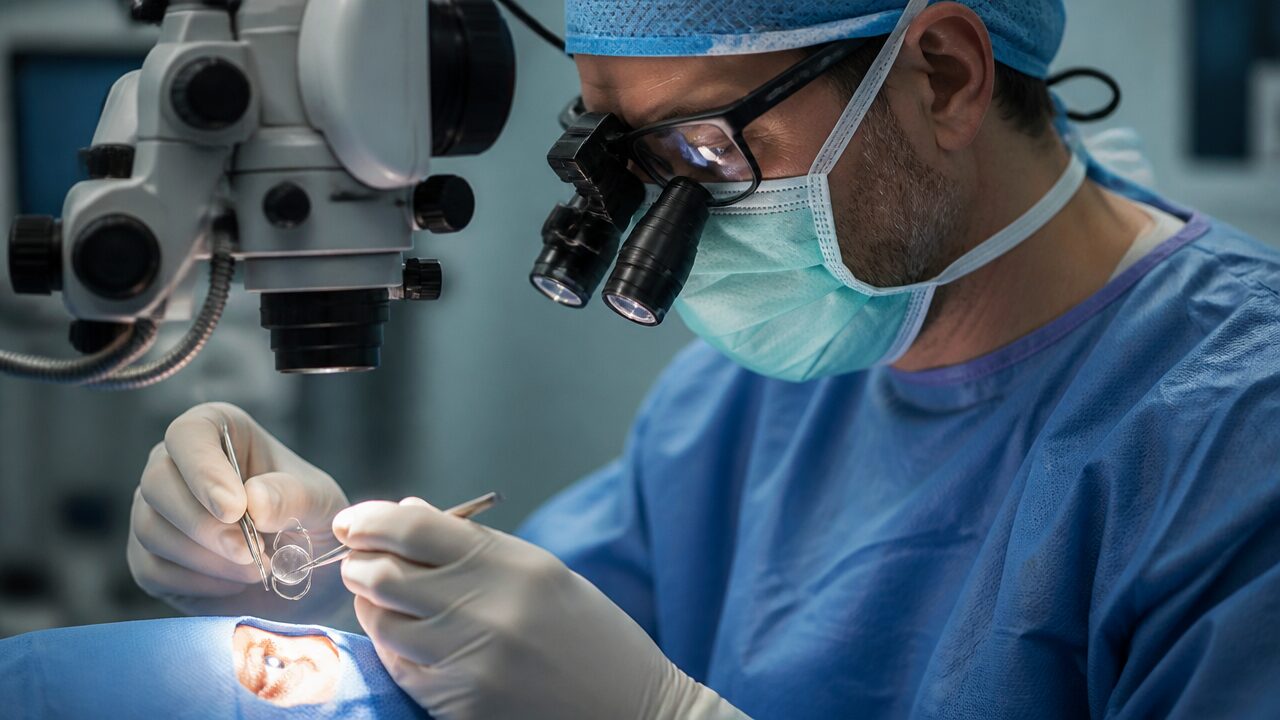
Smart Lens Surgery
A procedure that replaces the eye's natural lens with an artificial smart lens to correct presbyopia and cataract and reduce dependence on glasses.
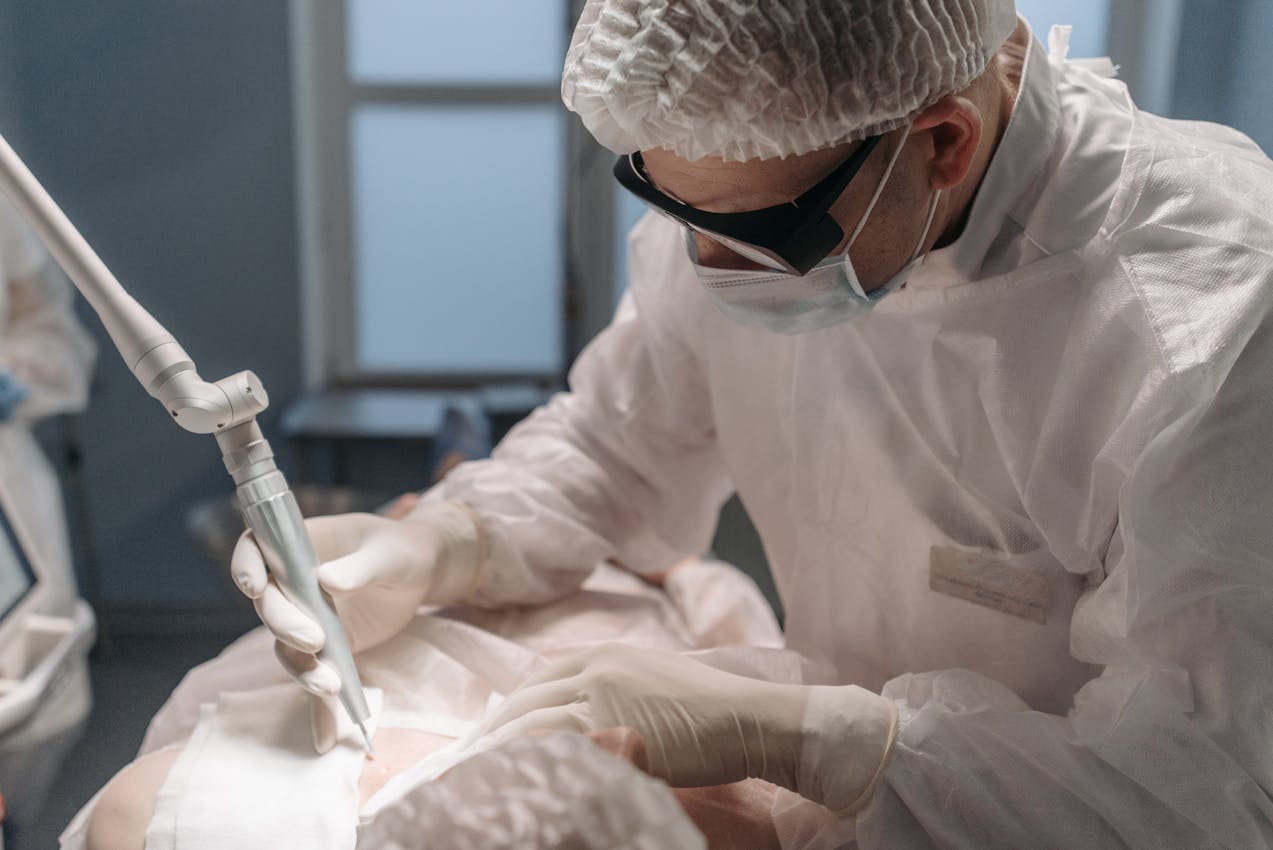
Laser Eye Surgery
A procedure that reshapes the cornea with a laser to correct myopia, hyperopia and astigmatism and reduce the need for glasses or contact lenses.