Laser Eye Surgery
A procedure that reshapes the cornea with a laser to correct myopia, hyperopia and astigmatism and reduce the need for glasses or contact lenses.
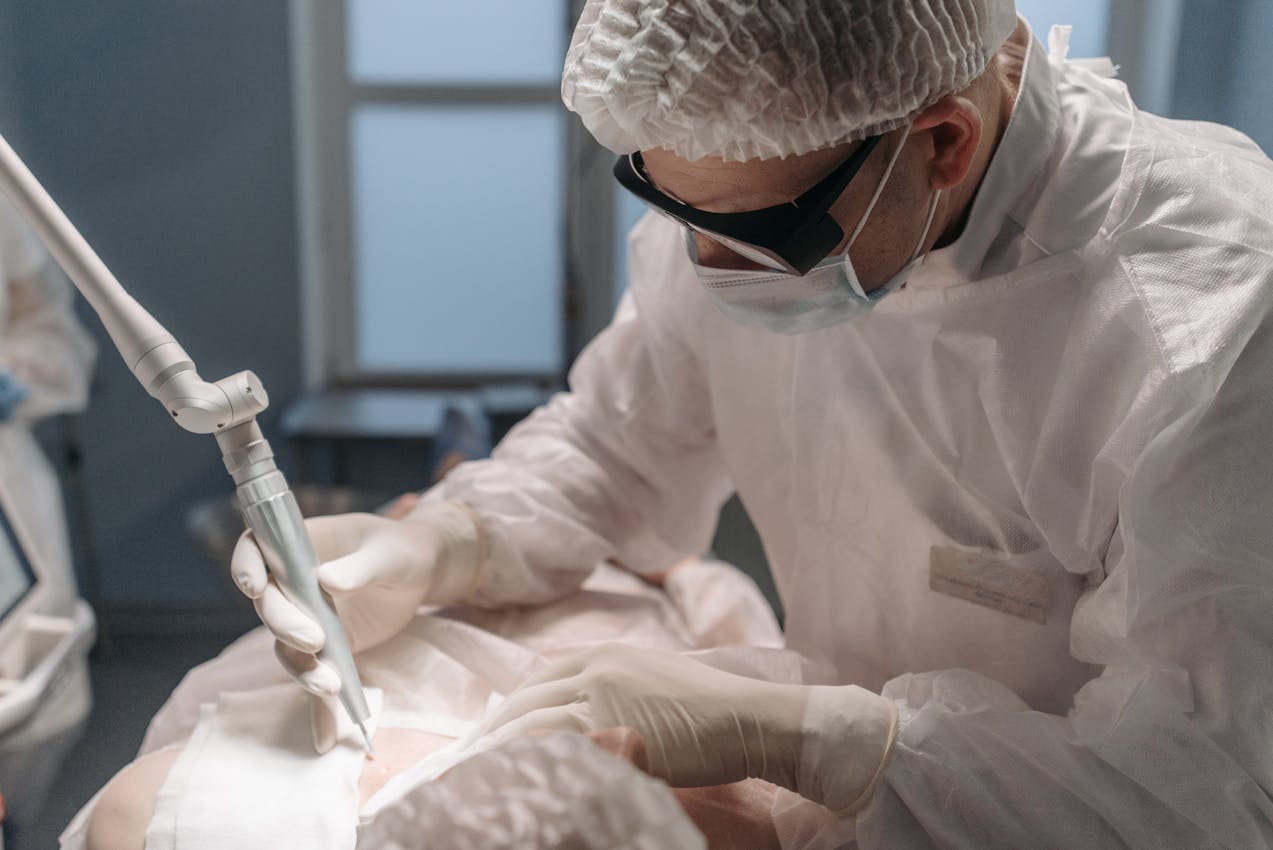
Laser eye surgery is a surgical procedure performed to correct refractive errors in the eye (myopia, hyperopia and astigmatism). This surgery is carried out by reshaping the cornea using a laser. The aim is to allow light to focus properly on the retina, removing the need for glasses or contact lenses. It is a lasting solution.
Types of Laser Eye Surgery
LASIK (Laser-Assisted In Situ Keratomileusis). How it works: in LASIK a thin flap is created on the cornea and the underlying tissue is reshaped with the laser. This is the most commonly used laser treatment. Advantages: it offers a fast recovery time, is usually painless, and one can return to daily life within a few days. Disadvantages: some patients may experience night-vision problems (light halos) or dry eye.
PRK (Photorefractive Keratectomy). How it works: in PRK the surface layer of the cornea (the epithelium) is removed and then the corneal surface is reshaped with the laser. The epithelium grows back, but this process takes longer than with LASIK. Advantages: it is suitable for patients whose cornea is thin. Disadvantages: the recovery period is longer and discomfort may be felt in the first few days.
SMILE (Small Incision Lenticule Extraction). How it works: the SMILE method is performed by making a small incision in the cornea and removing a piece of tissue called a lenticule from inside. This method is considered a more minimally invasive technique. Advantages: less damage occurs in the cornea, the risk of dry eye is lower, and recovery is fast. Disadvantages: it is used only for the treatment of myopia and limited astigmatism.
Who Is Suitable for Laser Eye Surgery?
Age: it is generally applied to people aged 18 and over, and the eye's prescription must have stabilised. Eye health: people without eye conditions such as cataract, keratoconus or eye infections are suitable. Prescription: laser surgery is generally suitable up to −10.00 of myopia, up to +6.00 of hyperopia, and up to 5.00 degrees of astigmatism. These values may be revised downward for each patient after corneal topography.
Recovery After Surgery
Fast recovery: with LASIK and SMILE surgery, clear vision is usually achieved within a few days. With PRK the recovery process may take a few weeks. Eye drops: after surgery, eye drops prescribed by the doctor are used to prevent infection and speed up healing. Follow-ups: the recovery process is monitored with regular eye check-ups.
Side Effects and Risks
Dry eye syndrome: some patients may have dryness in the eyes after laser surgery. Night-vision problems: issues such as halos and seeing circular lights around bright lights may occur. Fluctuations in visual acuity: temporary fluctuations in vision may occur during the healing process.
Laser eye surgery is an effective treatment method for people who do not want to use glasses or lenses. As with every surgical procedure, risks and side effects exist, but with appropriate patient selection and an experienced surgeon these risks can be minimised. It is important to have a detailed eye examination before surgery and to determine whether the person's eye structure is suitable for laser surgery.
This page is for general information and does not replace a personal examination. The right approach is decided together after an eye examination.
Frequently asked questions
Am I a candidate for laser eye surgery?
Ideal candidates have stable refraction, adequate corneal thickness and a healthy ocular surface. High myopes or those with retinal history require comprehensive vitreoretinal assessment first.
Can laser eye surgery affect my retina or macula?
Corneal laser does not directly injure the retina, but underlying high myopia raises risk of retinal tears/detachment. We perform pre- and post-op retinal exams to mitigate risks.