Ultraviolet Light and Its Harm to the Eye
Ultraviolet rays can harm the eye over both the short and long term. Here we explain what affects UV intensity, how it damages the eye, and how to protect yourself.

The ultraviolet (UV) light that reaches the earth's surface is not the same every day. The amount and intensity of UV radiation change according to several factors.
Factors That Affect the Amount of UV
Angle of the sun: UV rays are stronger around midday. In the morning and evening, the angle of the sun makes UV rays weaker. Season: in summer the sun's rays come in more directly, so the amount of UV increases; in winter it decreases. Latitude: UV light is more intense in regions near the equator, because the sun's rays arrive at a steeper angle. Altitude: as altitude increases, the protective layer of the atmosphere thins, so the intensity of UV rays rises. Cloud cover: clouds can partially block UV rays, but thin or scattered clouds cannot fully block them. Surface reflections: surfaces such as snow, sand and water reflect UV rays and can increase exposure. The ozone layer in the atmosphere: thinning of the ozone layer increases the harmful UV radiation reaching the surface.
Effects of UV on the Eye
UV rays can directly harm the eye and create short- or long-term effects. Photokeratitis (snow blindness) results from short-term excessive UV exposure; a temporary burn forms on the surface of the eye, causing pain, redness, light sensitivity and watering. Cataract: UV exposure can cause the lens to become cloudy, leading to vision loss. Pterygium: tissue growths that begin on the white part of the eye and advance toward the cornea, which can cause dryness and discomfort. Macular degeneration: by causing damage to the central part of the retina, UV can increase age-related vision loss. Photoconjunctivitis: UV can cause inflammation in the conjunctiva (the membrane covering the white part of the eye).
Diseases Linked to UV
Skin cancer: the skin around the eyes in particular is prone to melanoma and other skin cancers caused by UV. Cataract: long-term UV exposure increases the risk of cataract. Pterygium: abnormal tissue growth on the surface of the eye. Age-related macular degeneration (AMD): UV can trigger this disease by causing oxidative stress on the retina.
Ways to Protect Yourself
Use UV-protective glasses: UV400 sunglasses block UVA and UVB rays. Hat or wide-brimmed hat: protects the eyes and face from rays coming directly at them. Protection outdoors: try to stay in the shade during midday, when the sun's rays are most intense. UV-blocking lenses: contact lenses or prescription glasses can be UV-protective. Protective creams: apply sunscreen around the eyes to protect the skin from UV. Be careful even on cloudy days: UV rays can pass through clouds, so protection is always important.
Protecting yourself from UV rays is critically important for both eye and general health. Children's eyes in particular are more vulnerable to UV rays, so protection is even more important for them.
Frequently asked questions
Can UV radiation reach and damage the retina?
Most UV is absorbed by the cornea and lens, but UV‑A and high‑energy visible (blue) light can cause photochemical retinal injury over time and may contribute to macular degeneration. Retina specialists emphasize early protection.
What are the best ways to protect my eyes from UV?
Use UV400-rated wraparound sunglasses, broad-brim hats, UV‑blocking contact lenses when appropriate, and extra protection at high altitudes or near water/snow. After vitreoretinal surgery, strict sun protection is recommended.

A Guide to Good Sleep
Good sleep may be the most wonderful medicine we give our bodies. Here we explain why sleep matters, what to avoid, and what to do for restful, restorative nights.
Upper Eyelid Aesthetics (Blepharoplasty)
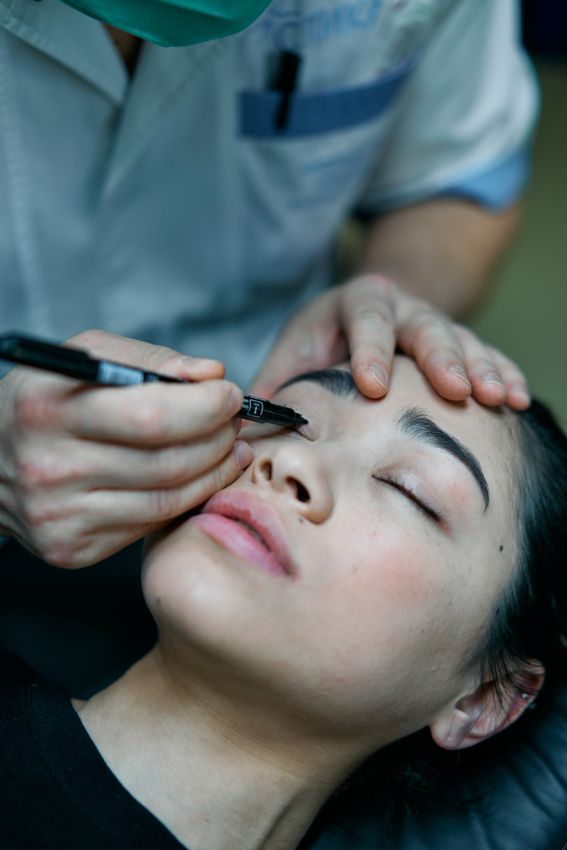
Upper-lid blepharoplasty corrects sagging, puffiness and excess skin on the eyelid for both aesthetic and functional reasons. Here we explain why the lid droops, who the surgery suits and how the process works.
Nutrition and Vitamins for Macular Disease
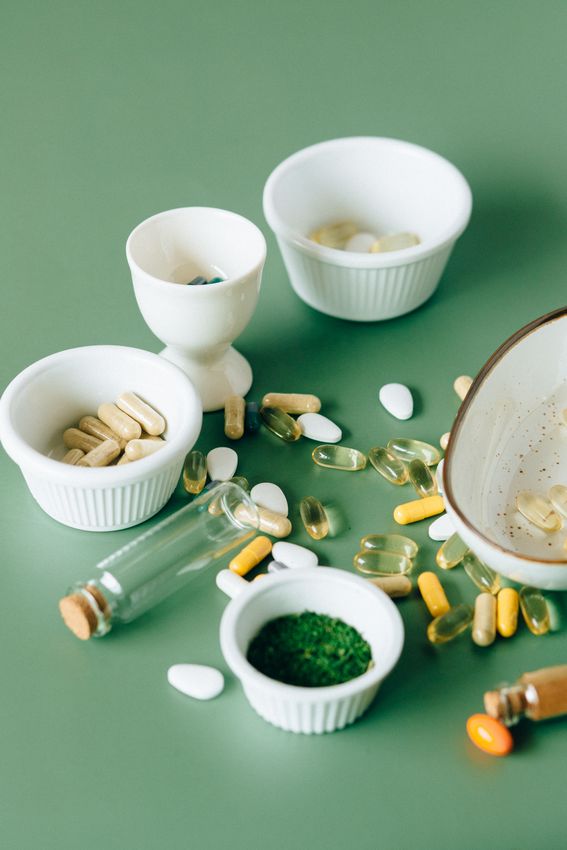
The macula may be the eye structure most affected by diet. Here we explain which foods and vitamins can help slow age-related macular disease.