
The Prescription-Free Health Guarantee Under Your Feet
The human body is designed to walk. Walking is not just an exercise but a natural renewal mechanism that reorganizes nearly every system in the body.
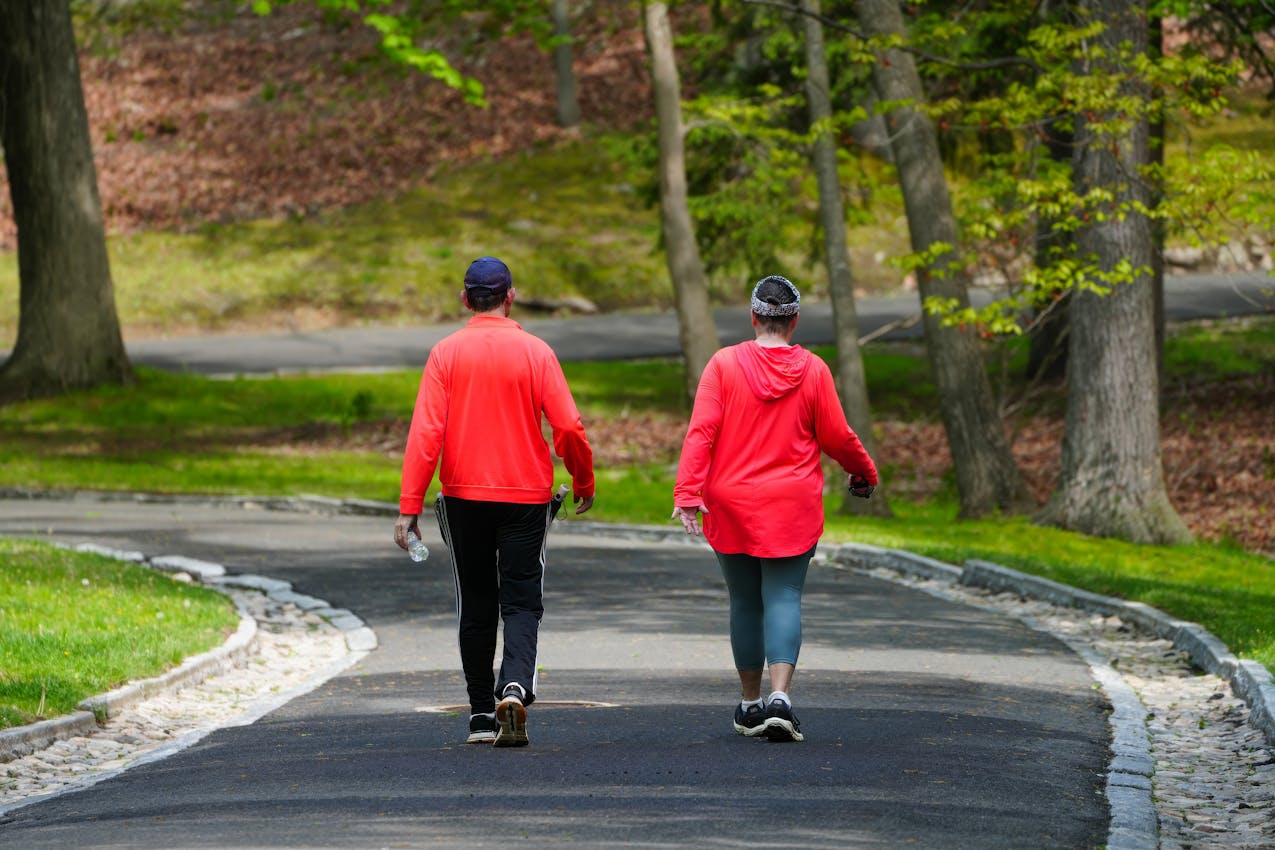
One of the most important principles for protecting against disease, for an enjoyable and healthy life, and for staying fit and vigorous is walking. The human body is designed to walk. Walking is not just an exercise; it is, in effect, a natural renewal mechanism that reorganizes all the systems. It plays a role not only in the musculoskeletal system but in many bodily functions, including the immune system, the cardiovascular system, the working of the stomach and intestines, and the continuity of the nervous system. Regular walking helps many people lower their blood pressure, lose weight and bring down their blood sugar and cholesterol (and thereby protect against heart and sugar-related diseases) and it helps in the struggle against depression and anxiety.
Muscles and the skeletal system
Walking allows hundreds of muscles, joints, bones and the entire skeletal system to develop by working in harmony, and it protects against diseases of this system. In those who walk regularly, the calcium strength of the bones does not decline. Walking preserves bone mineral density and thus slows down, even prevents, bone loss. By working the muscles, it also prevents the sarcopenia (muscle loss) seen with aging.
The heart and vascular system
By regulating the rhythm of the heartbeat and increasing its function, walking brings unused capillaries into use. By increasing the amount of blood the heart pumps in a single beat, it raises the heart's efficiency. Exercise performance, including climbing stairs, walking uphill and taking quick steps, improves as a result. During walking, increased blood flow boosts the release of nitric oxide on the inner surface of the vessels, causing the heart's vessels to widen, so blood pressure falls and the load on the heart decreases. Research shows that in individuals who take about 7,000–8,000 steps a day, the risk of cardiovascular death is reduced by 30–40%.
The brain and nervous system
Regular walking can increase the volume of the hippocampus (the memory center), boosts the production of factors that nourish and support nerve cells in the brain (Brain-Derived Neurotrophic Factor), and strengthens the connections between nerves. For this reason, in people who walk, the risk of Alzheimer's decreases, learning capacity increases and mental slowing is delayed. It allows faster thinking and faster decision-making.
The lungs and respiratory system
Regular walking increases lung capacity and helps the alveoli work more effectively. Thanks to the regular breaths taken, the entry of oxygen into the body becomes steady. Brisk walking in particular increases oxygen use, raises the amount of blood reaching the tissues and improves the oxygenation of the whole body. In this way it reduces chronic fatigue and raises the body's energy level.
Metabolism, cells and immunity
Walking does not just burn calories; it creates change at the cellular level. It increases insulin sensitivity, so blood glucose passes more easily into the tissues and nourishes the body. It also increases the number of mitochondria, thereby raising energy, and speeds up fat burning. It reduces inflammation (a drop in CRP has been shown), which prevents the body from becoming tired, drained and exhausted. By increasing natural defense cells, it provides resistance against infections and reduces the risk of chronic disease.
Psychology
During walking, endorphins rise, cortisol (the stress hormone) falls, and serotonin is balanced. Research has revealed that walking 3–4 days a week can have an effect close to that of medicines in mild-to-moderate depression. It fosters a positive outlook on life. In individuals who take 7,000–9,000 steps a day, the risk of death from all causes has been shown to be significantly reduced.
Why should we walk?
Many famous thinkers, philosophers and explorers came up with their new ideas and discoveries while walking. To open your mind, gather your attention, think clearly and solve problems: Walk! Walking helps you lose weight and stay fit. Because it needs no gym or equipment, it is the cheapest sport; your money stays in your pocket. For the most valuable investment: Walk!
Walking speeds up blood circulation, lowers sugar and cholesterol, reduces the likelihood of infection and inflammation, and is also an antidepressant that is good for the psyche. To help reduce, as you age, the number of medicines you take regularly each day: Walk! Walking reduces stress and, by tiring you, regulates your sleep. For a good night's sleep: Walk! Walking keeps your bowels working properly. To protect against gas, bloating and constipation: Walk! Walking strengthens your heart and lowers your blood pressure. To live for many years with a healthy heart: Walk!
Walking slows down aging; it renews your cells and increases your energy. To stay younger and grow old later: Walk! Walking protects your muscles and strengthens your bones. To remain independent and self-sufficient in your later years: Walk! Walking does not just help you lose weight; it speeds up fat burning and balances metabolism. For a healthy and vigorous body: Walk! Walking revives social life and reduces loneliness. It increases your contact with the environment, with plants and animals. To feel better: Walk! Walking increases your relationship with your surroundings. The pleasure of the endorphins it releases gives you, over time, a beneficial habit and brings enjoyment each time. To rest your soul: Walk!
Walking teaches us to show respect not only to our soul and body but to our environment and the world we live in. By making walking a habit, even something indispensable, we also reduce the burden of air pollution and noise. Walking is not just an activity; it is a pleasure. To add happiness and order to your life: Walk!
Frequently asked questions
How does walking affect retinal health?
Regular walking improves cardiovascular fitness, blood pressure and glycemic control, which enhances ocular perfusion and can lower risk or progression of vascular retinal diseases (e.g. diabetic retinopathy). It does not replace specialist retinal treatments.
How much walking is recommended for eye benefits?
Aim for at least 150 minutes of moderate activity weekly (for example 30 minutes of brisk walking 5×/week). Patients with existing retinal conditions should follow individualized guidance from their retina specialist.

A Guide to Good Sleep
Good sleep may be the most wonderful medicine we give our bodies. Here we explain why sleep matters, what to avoid, and what to do for restful, restorative nights.

Ultraviolet Light and Its Harm to the Eye
Ultraviolet rays can harm the eye over both the short and long term. Here we explain what affects UV intensity, how it damages the eye, and how to protect yourself.

Upper Eyelid Aesthetics (Blepharoplasty)
Upper-lid blepharoplasty corrects sagging, puffiness and excess skin on the eyelid for both aesthetic and functional reasons. Here we explain why the lid droops, who the surgery suits and how the process works.