
How to Choose Good Sunglasses
The sunglasses that protect your eyes are not simply the stylish ones. As an eye doctor, I want to explain in plain language the five critical things to look for when choosing a pair.
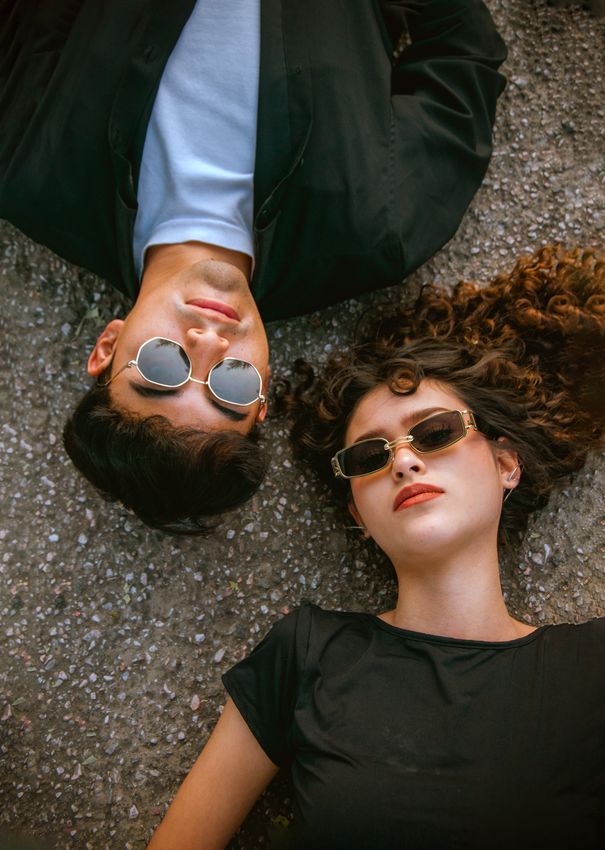
Sunglasses that protect your eyes are not simply the stylish ones
When summer arrives, one of the first things most of us do is to get a pair of sunglasses. But many people choose them by looking only at the style or the color. Yet sunglasses, one of the most important defenses for your eye health, should carry far more than just good looks. The right sunglasses are the key to protection from the harmful effects of the sun on the eye, and they should be worn especially in summer but in all seasons when the weather is clear and the sun is high, even in winter. Indeed, throughout summer ultraviolet light (UVA and UVB) is at least three times greater than it is in winter. The time spent outdoors, at the beach and on the water is much greater in summer, and this increases the harm to the eye.
In this article, as an eye doctor, I want to explain in plain language the five critical criteria you must pay attention to when choosing sunglasses.
1. UV protection must be 100%
When buying sunglasses, always check whether there is a "UV400" or "100% UV protected" label, because UV rays can cause cataracts, retinal damage and macular disease. Dark-colored lenses without a UV filter can dilate the pupil and actually expose you to more UV rays. The mirrored coatings used on sunglasses reduce the amount of light reaching the eye but do not affect the degree of ultraviolet blocking.
Remember: a lens being dark does not mean it protects against UV! Lenses that filter not just sunlight but the sun's rays (UV-A and B) must be used.
2. Lens quality and optical clarity
The lenses must be of good optical quality. Cheap and poor-quality lenses can cause distortions in the image and headaches, and with long-term use can increase eye strain.
To test them: put the glasses on and look at a surface with straight lines (for example, square floor tiles). If the lines look curved, the lens quality is low. Take care to buy your glasses from an authorized seller (preferably an optician) and to make sure they carry a CE/TSE certificate. Most glasses bought from markets or unknown places carry fake UV labels. Uncertified products can, far from protecting your eyes, do them more harm.
3. Polarized lenses increase eye comfort
Polarized lenses provide more comfortable vision by reducing glare, especially in environments where reflections are intense (the beach, driving, the waterside). But polarized is not the same as UV protection. The polarized feature is useful, but it must always come together with a UV400 filter.
4. They must suit your face type and fit it fully
Sunglasses should suit the shape of your face and the bridge of your nose. Light should not leak in from the edges of the glasses, and the lenses should be as large as possible. For outdoor sports in particular, models with side protection should be preferred.
Light brown and smoke-colored lenses can make colors appear more natural and can increase contrast and depth. Just as we try glasses on for how they look aesthetically before buying, they must also be tried on to check whether they distort vision. The lenses of our sunglasses should be large enough to protect the eyes against the sun's rays coming from the sides and above, or by reflection from below; they should protect the eye from every angle and be chosen to be comfortable and suited to the structure of the face, nose and ears. Heavy frames that do not suit the shape of the face will, after a while, press on the nose, face or temples and can cause headaches.
5. Children should wear sunglasses too
Children's eyes are far more sensitive to UV rays. Unfortunately, however, most families neglect to buy sunglasses for their children. At the beach, in the park and while skiing, children should also be given UV-protected glasses. With fun, unbreakable-lens, colorful models, children can happily acquire this habit. Remember: glasses are protective not just for adults but for children too.
Style alone is not enough: protection is needed
You do not need to buy expensive glasses just because of the brand. The frame of a good pair of sunglasses does not flex when pressed with a finger, and when you focus on an object and move the glasses there is no rippling, distortion or shifting in different directions. When buying sunglasses, you need to evaluate not only the style or brand but whether they truly protect your eye health. Remember, your glasses are not just an accessory; they are the armor of your eye.
Frequently asked questions
What UV protection do I need?
Use UV400/full‑spectrum lenses that block both UVA and UVB; this is essential to reduce risk to the retina and macula.
Are polarized lenses enough to protect my eyes?
Polarization reduces glare and improves contrast but does not guarantee UV blocking—choose polarized lenses with verified UV protection and proper fit.

A Guide to Good Sleep
Good sleep may be the most wonderful medicine we give our bodies. Here we explain why sleep matters, what to avoid, and what to do for restful, restorative nights.

Ultraviolet Light and Its Harm to the Eye
Ultraviolet rays can harm the eye over both the short and long term. Here we explain what affects UV intensity, how it damages the eye, and how to protect yourself.
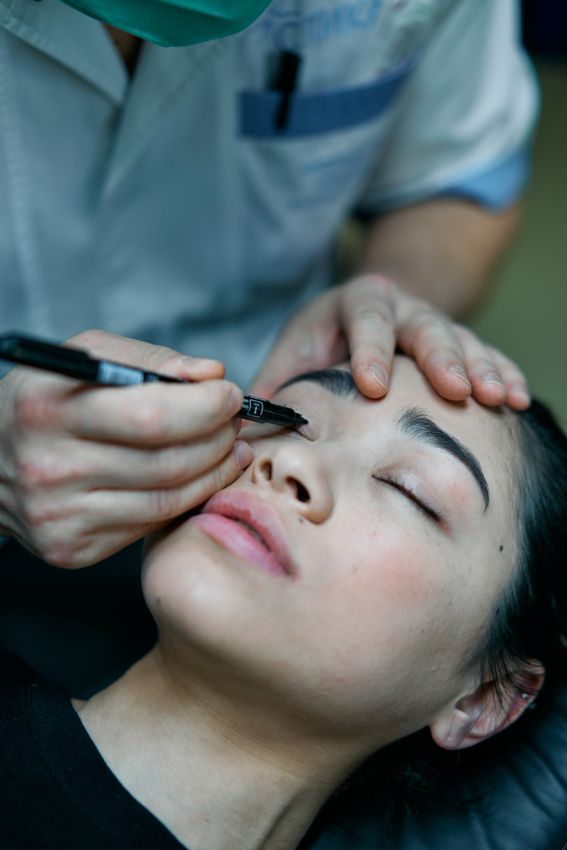
Upper Eyelid Aesthetics (Blepharoplasty)
Upper-lid blepharoplasty corrects sagging, puffiness and excess skin on the eyelid for both aesthetic and functional reasons. Here we explain why the lid droops, who the surgery suits and how the process works.