
A Guide to Good Sleep
Good sleep may be the most wonderful medicine we give our bodies. Here we explain why sleep matters, what to avoid, and what to do for restful, restorative nights.

The Most Important Weapon of a Healthy Body: Good Sleep
A person has three loyal friends: cash in hand, a sound stomach and unbroken sleep. When I first heard this saying years ago I did not fully grasp it, but the passing years have shown me how important this trio is. The four aces for bodily health are good nutrition, regular movement, a peaceful life and good sleep.
The value that quality sleep, preparing to fall asleep around 10–11 p.m. and then sleeping well, adds to health cannot be disputed. Take care to go to bed and wake up at the same hours, to sleep early and rise early, and to keep your sleep at least 7–8 hours. Scientific studies have shown that insufficient sleep can cause diseases such as obesity, diabetes, hypertension, heart attack, stroke, memory disorders, depression, anxiety and Alzheimer's.
The human being is the only living creature on earth that deprives itself of sleep willingly and knowingly. When people sleep insufficiently and inefficiently, they become asocial, withdraw from society and do not want to relate to others. Even the people around them may not be aware that they are sleep-deprived. They cannot see that the person in front of them feels unwell because of too little sleep, and even relationships can deteriorate. Sleeplessness disrupts the electrical connections in our brain. We lose prefrontal control. In other words, instead of a person acting with logic and thought, we turn into someone who acts on impulsive and emotional tendencies. Because we are constantly pressing the gas without realizing it, we tire before we even reach the middle of the road, our daytime performance falls and afterward our general energy begins to drop.
Do Not Bargain with Your Sleep
Sleep is a reset. Just as a car cannot run for hours without stopping and needs fuel now and then, our body wants quality, sufficient sleep from us. Sleep is not only rest but also a cleansing. While we sleep, our brain clears the metabolic debris that accumulates during the day. As a result of unhealthy sleep, over the years deterioration appears in the main organ systems and cells: the metabolic system, the heart and vascular system, the temperature-regulating system, the immune system and the hormone system.
Are Your Sleep Duration and Quality Enough?
If you still want to keep sleeping when you wake up in the morning, you have not had your fill of sleep. Or if you sleep a great deal at the weekend after working hard during the week, your weekday sleep is insufficient. When you ask yourself whether you sleep enough, if you think you do not feel well the next day, it means you are not sleeping enough. If you doze off during the day or feel sleepy and tired, it means your sleep is poor.
What Good Sleep Does for Us
Good sleep is not only the key to spending the whole day energetically; it is also very necessary for general bodily health. Good sleep strengthens the immune system and protects us against microbes and allergies, reduces inflammation, renews the heart and circulatory system and lowers the risk of heart attack, clears toxins and prevents depression and dementia, regulates blood sugar and lowers diabetes risk, and regulates metabolism to prevent obesity and weight gain. Good sleep also strengthens learning and memory. It increases our energy, vitality, attention and healthy lifespan. Seen this way, it can be regarded as the most wonderful medicine we give our bodies.
What Not to Do for Good Sleep
Let us first talk about what should not be done. If your sleep quality is poor, avoiding the following may be enough for good sleep.
The stress and anxiety we experience during the day both tire our psychology and affect our mental health, and increase the secretion of cortisol and adrenaline. These are "fight-or-flight" hormones, so they prevent the body from switching into rest and sleep mode. Especially before going to bed, you need to stay away from matters that could cause stress and anxiety.
Related to this, watching social media, news, negative videos or horror films just before bed pulls you back into the stress of daily life. For this reason, moving away from the TV, phone or computer helps you sleep well. The phone (which emits blue light) and too much room light (especially spotlights) make it harder to fall asleep. Lights should be dimmed 1–2 hours before bed and the phone should be left alone.
Electromagnetic fields can negatively affect sleep in some sensitive people by suppressing the sleep hormone melatonin. Turn off the Wi-Fi before bed, do not charge your phone at your bedside, and do not put it under your pillow or next to your bed. Even if it has to stay in your room, switch it off, and do not have anything plugged into a socket near your bed. Keep electronic devices away from your bedroom, limit artificial light, and do not have a television, computer or work-related devices in your bedroom.
The stimulants in alcohol, tea, energy drinks and coffee taken before bed prevent good sleep. They also increase urination and cause sleep to be interrupted, so they should be stopped a few hours before your bedtime, or not consumed at all. Eating foods that are hard to digest or cause bloating before bed triggers intestinal movements all night and reduces your sleep quality. Fried, very spicy or heavily seasoned foods upset your stomach and undermine good sleep, so dinner should be eaten early.
Do not change your sleep time. Going to bed and waking up at the same time every day and following the same routines as you fall asleep is important for sound sleep. If you go to bed at 11 and wake at 7 one night, then go to bed at 2 and wake at 10 the next, yes, you sleep the same number of hours, but your sleep quality will not be the same. Your bedroom should not be too hot or too cold. For quality sleep, the room should be a little cool, around 18°C, and not below 14°C or above 20°C. Do not go to bed without being sleepy. If you are not tired and sleepy enough, the time you spend awake in bed lengthens, and this intensifies your anxiety and can make you see the bed as a place where you are always awake. So go to bed when you are sleepy, and do not force yourself to sleep early.
Let us remember: good sleep determines the quality not just of the next day but of our whole life.
What to Do for Good Sleep
Feeling tired, distracted and joyless all day is most often caused by "poor-quality sleep." Yet with the right habits, sleep quickly returns to its natural state. Here are the things to do for good sleep.
Go to Sleep Happy and at Peace
Calm in the last hour: the happiness hormone serotonin turns into melatonin, the sleep hormone. In the hours before sleep, do things that distance you from the day's stress. Worship and prayer before bed increase your inner peace and help toward a better sleep. Reading also prepares you for sleep, and breathing exercises relax you. Empty your mind: finish your "to-do" list in your head an hour before going to bed, so your brain does not keep repeating it through the night, or even wake you. A warm shower is a good preparation for sleep.
Give Rhythm to Your Biological Clock
Wake up at the same time every day, weekends included. (The unfailing rule: if your waking time is fixed, your bedtime falls into place on its own.) Get sunlight: 15–30 minutes of morning daylight sets the brain's clock to "day." Dim the lights in the evening: 1–2 hours before bed, turn the house lights low and reduce screens. People often do not realize it, but our body works like a biological clock and needs to be set correctly. Twenty minutes of sunlight in the morning helps regulate the biological clock and the cortisol and melatonin hormones and also improves sleep quality. Exercise matters too: exercising outdoors first thing in the morning is very important for keeping the biological clock in order. Twenty minutes a day is enough: go for a walk, walk your dog, walk with a friend or listen to an audiobook. Just make it a habit.
Make the Bedroom Suitable for Sleep
Cool, dark, quiet: 18–20°C is a good range. Thick curtains, earplugs, a soundproof door and wall coverings help. Blackout curtains are ideal; if you do not have them, a sleep mask can work. If you do not live in a quiet place, you can use silicone earplugs or white-noise machines. The bed is only for sleep and intimacy; TV, phone and work in bed disturb the calm. Daylight during the day and a dark environment at night are both important; since even a little light enters when our eyes are closed, our sleep quality is affected by light, which is why blackout curtains can be used.
Take the Right Steps During the Day
Move: at least 150 minutes a week of brisk walking or exercise prepares you for the evening. Pull heavy exercise back to 3–4 hours before bed. Arrange naps: if you need a daytime nap, keep it to 10–20 minutes and not past 4 p.m. Keep dinner light: eat 3–4 hours before bed; very fatty or heavy meals break up sleep. Alcohol and smoking reduce the quality of good sleep.
Tackle the Things That Disrupt Your Sleep
If there is loud snoring or apnea (pauses in breathing), treating these is very important for good sleep and a healthy life. There are three main types of sleep disorder. The first is insomnia, the inability to sleep, which has two main forms: trouble falling asleep, and falling asleep relatively easily but waking often during the night. From my own professional experience, the second type of insomnia is often linked to chronic problems; factors such as excessive caffeine, blood-sugar imbalances, excessive toxic load and raised cortisol from chronic stress are common.
The third sleep disorder is sleep apnea, which often goes undiagnosed. In sleep apnea you do not get enough oxygen at times during sleep; it can be a pause in breathing lasting a few seconds, or it can cause blockages of 10 seconds or longer. In general it harms the brain, heart and metabolic health. Sleep apnea is usually associated with snoring and waking suddenly in the middle of the night. Breathing through the mouth is a disadvantage here; people who breathe through the mouth rather than the nose during the day because of sinus or allergy problems usually continue this habit at night and are negatively affected by it. With accompanying conditions such as depression/anxiety, thyroid problems, pain or medication side effects, the underlying cause must be treated; otherwise these conditions lower your sleep quality.
Your Bed, Quilt and Pillow Set Your Sleep Hygiene
Sleep on a mattress that you find comfortable and that keeps your spine neutral. Turn the head–foot direction every two to three months and use a mattress protector. Your pillow should suit your sleeping position and your body; the neck–back line should be straight. If a low pillow makes breathing difficult, use a higher one. Choose a quilt and bedding that make you comfortable. Air out your bed in the morning; breathable bedding (cotton, linen or bamboo) and a cooling mattress pad are soothing.
If You Cannot Sleep
If sleep does not come within 30 minutes, get up and do something calm in dim light (read a book or magazine), and return to bed when you feel sleepy. When you wake during the night, do not look at the clock; slow your breathing. You can try the 4-7-8 technique: breathe in through the nose for 4 seconds, hold for 7, and release over 8 seconds; continue for a few minutes. Deep-breathing exercises can be very helpful.
Calming the Mind
If you are stressed, turn to practices that rest and refresh your nervous system. An Epsom-salt bath containing magnesium sulfate, yoga (especially yoga nidra), stretching and breathing exercises can be extremely beneficial. Audiobooks are great for engaging both mind and body. Putting your thoughts on paper can be a good method; try keeping a journal to clear the thoughts that fill your mind. Listening to calming music can also work. Stay away from the news and social media, and turn to calming activities such as reading.
Special Situations and Small Tips
For those who get up to the toilet often: reduce evening fluids, and take diuretic medicines in the morning or at noon (consulting your doctor). For those with reflux: bring dinner earlier and raise the head slightly; do not forget your stomach medicines. For night-time pain, itching or a runny nose: whatever is breaking up the night, solving it is half the sleep; treating the symptom repairs the sleep.
Supplements That Can Help Sleep
Some supplements can be very helpful for sleep, and the right multivitamins can close the nutritional gaps in your diet. Magnesium is a number-one sleep supplement; starting with magnesium glycinate often gives very positive results, and it can be taken at 200, 400 or even up to 600 mg depending on the situation. The different forms have different uses: magnesium citrate for cramps, magnesium malate for muscle relaxation, magnesium glycinate for sleep (350–450 mg), and magnesium threonate, which crosses the blood–brain barrier easily to deepen sleep and strengthen memory.
Melatonin supplements should be approached with care; in children in particular they can delay puberty. Adults may use them briefly to regulate the biological clock, especially during periods of frequent travel. B-complex vitamins are useful for serotonin production, and vitamin D3 is also recommended. Studies show that taking magnesium, melatonin and a B-complex supplement every day for three months, an hour before sleep, is quite good for sleep disorders and very helpful in treating insomnia patients, certainly better than using other drugs.
Foods can help too: spinach, dark chocolate, almonds, walnuts and hazelnuts, pumpkin and sunflower seeds are useful, and foods such as kiwi, cherry and banana are rich in tryptophan, the precursor of melatonin.
Herbal Supplements
Some teas and herbal supplements can be used for deep sleep and rest. Valerian root, passionflower, magnolia, golden root, chamomile tea and lemon balm are known to have positive effects on the nervous system. Tired and stressed people may turn to certain herbs with adaptogenic properties, that is, herbs that increase the ability to adapt; wisteria and Siberian ginseng are quite useful for relaxing and sleeping well. Probiotics also contribute, because when the gut is healthy, the production of hormones vital to sleep, such as serotonin and melatonin, becomes more regular. 5-HTP in particular raises serotonin levels to help you relax and improves sleep quality, and GABA is also recommended. L-theanine, an amino acid found in green tea, lets you relax without causing drowsiness, reducing anxiety and stress and making deep, restful sleep possible.
Let us not forget: good sleep determines the quality not of the next day alone but of our whole life.
Frequently asked questions
Why is good sleep important for retinal health?
Sleep supports metabolic clearance, reduces inflammation and oxidative stress in the retina; chronic poor sleep can worsen conditions like diabetic retinopathy and macular health.
Does sleep affect recovery after retinal surgery?
Yes. Proper sleep positioning, avoiding eye rubbing and following surgeon instructions—especially after gas or oil tamponade—are essential for optimal healing.

Ultraviolet Light and Its Harm to the Eye
Ultraviolet rays can harm the eye over both the short and long term. Here we explain what affects UV intensity, how it damages the eye, and how to protect yourself.
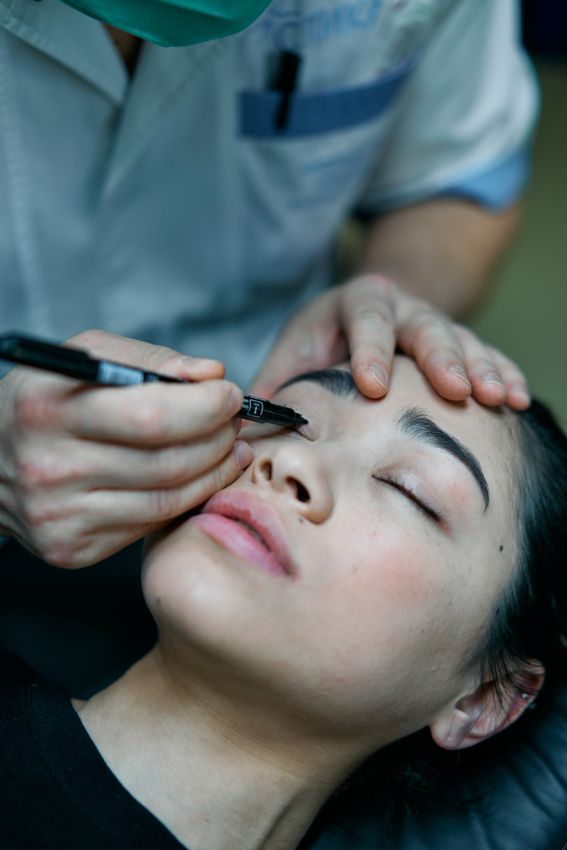
Upper Eyelid Aesthetics (Blepharoplasty)
Upper-lid blepharoplasty corrects sagging, puffiness and excess skin on the eyelid for both aesthetic and functional reasons. Here we explain why the lid droops, who the surgery suits and how the process works.

Nutrition and Vitamins for Macular Disease
The macula may be the eye structure most affected by diet. Here we explain which foods and vitamins can help slow age-related macular disease.