
Vitreoretinal Surgery (Vitrectomy)
A procedure in which the eye's vitreous gel is removed to repair damage at the back of the eye and treat retinal and vitreous diseases.
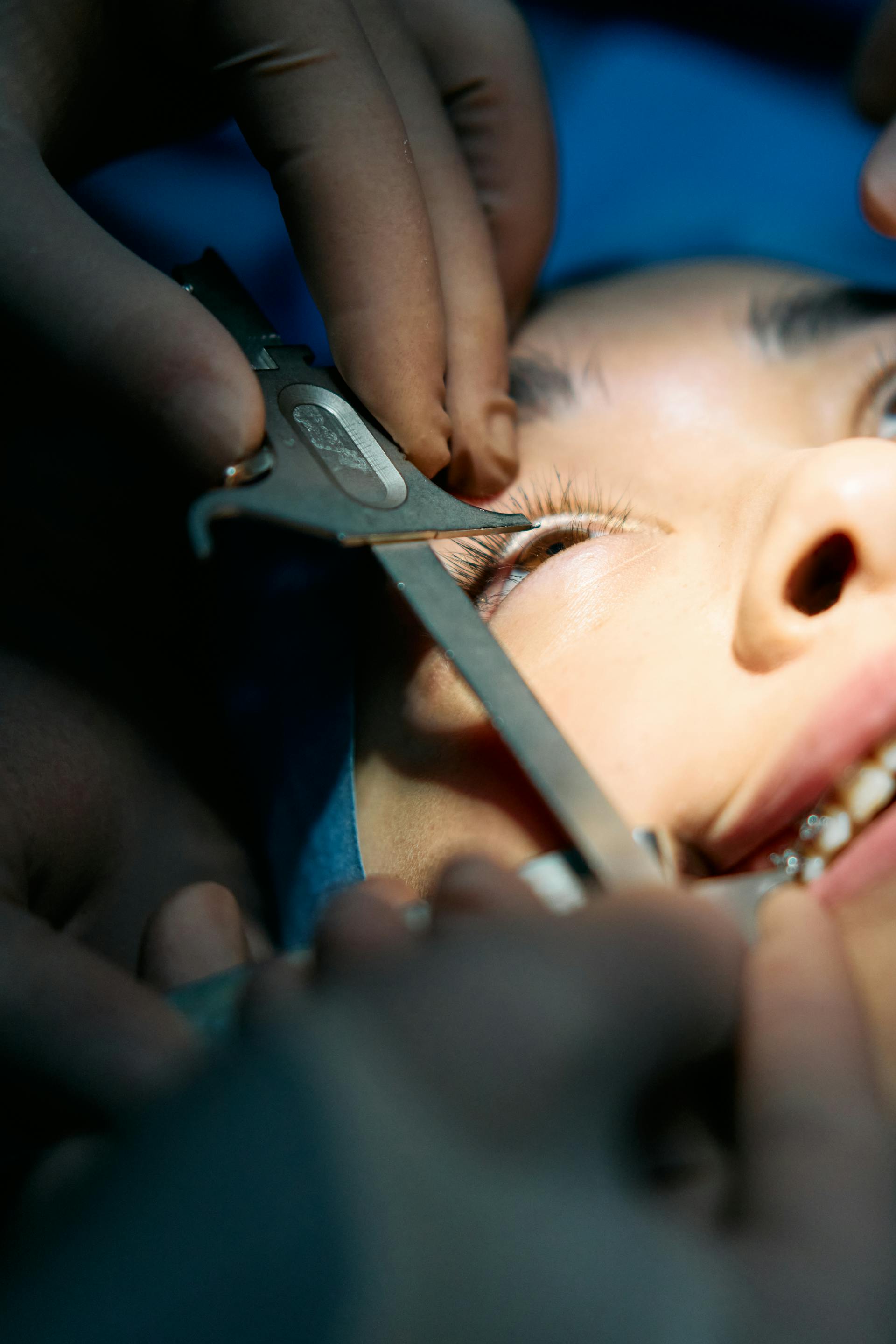
Vitrectomy surgery is a surgical procedure in which the vitreous, the jelly-like substance found inside the eye, is removed. It is generally used in the treatment of eye diseases originating from the retina and vitreous. Vitrectomy is performed to treat retinal conditions such as retinal tears, retinal detachment, intraocular haemorrhages, diabetic retinopathy, epiretinal membrane and macular hole. This surgery is carried out to repair damage located in the back part of the eye and to improve visual function.
How Is Vitrectomy Surgery Performed?
Anaesthesia: the surgery is generally performed under local anaesthesia. The area around the eye is numbed, but in some cases general anaesthesia may also be used. Removal of the vitreous: the surgeon makes 3 small incisions in the eye and removes the vitreous. During this process the problematic tissues inside the eye are cleared without harming the retina. Gas or fluid injection: the cavity from which the vitreous was removed is usually filled with a sterile gas or fluid. This helps the retina settle back into place. Retinal repair: if there is a retinal tear or detachment, the retina is repaired with laser or sutures.
Recovery After Vitrectomy Surgery
Blurred vision: there may be blurring of vision in the first few days after surgery. Stinging and redness in the eye: this may occur in the first few days after surgery. Eye drops: eye drops are prescribed to prevent the risk of infection and speed up the eye's healing. Rest: in the first few days, care must be taken to avoid pressure on the eye and to let the eye rest. Follow-ups: the recovery process is monitored with regular doctor check-ups after surgery.
Risks of Vitrectomy Surgery
Infection: as with every surgical procedure, there is a risk of infection. Bleeding: bleeding may occur in the eye. Cataract development: the risk of cataract developing may increase in patients after vitrectomy. Increase in intraocular pressure: eye pressure may rise after surgery.
Vitrectomy surgery can treat many serious eye conditions originating from the retina and vitreous and can help prevent vision loss. However, as with every surgical procedure, in order for the surgery to give good results it is important to follow your eye doctor's recommendations and not to neglect the regular check-ups.
This page is for general information and does not replace a personal examination. The right approach is decided together after an eye examination.
Frequently asked questions
What conditions indicate a vitrectomy?
Indications include retinal detachment, macular hole, epiretinal membrane, vitreous hemorrhage, and some inflammatory or infectious posterior segment diseases.
What is recovery like and what are the risks?
Performed under local with sedation or general anesthesia. Recovery may take weeks; gas/silicone tamponade and face-down positioning may be required. Risks: cataract progression, infection, recurrent detachment.