
Stem Cell Transplant in Retinal Disease
An emerging treatment that aims to repair or replace damaged retinal cells using stem cells.
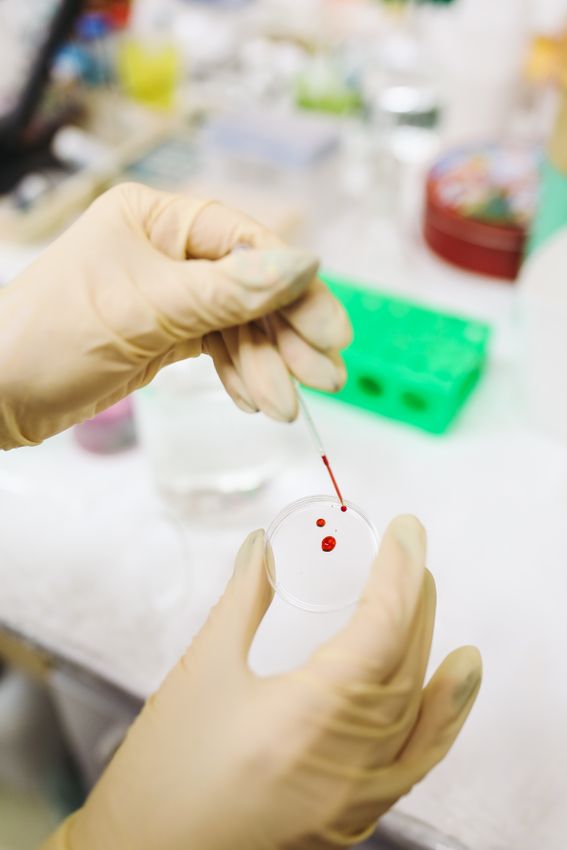
The retina is a layer at the inner part of the eye that provides the function of vision. This layer is made up of photoreceptor cells (rods and cones) that perceive light and convert it into nerve signals, together with the other retinal cells that carry these signals to the brain. Photoreceptor cells are the basic light-perceiving cells; rods provide the ability to see in low light, while cones carry out colour and detailed vision. When damage occurs in the retina, these cells die and are not regained. Stem cell therapy holds great promise because it has the potential to repair retinal cells or to produce new retinal cells.
Why Do Retinal Cells Not Regenerate?
Retinal cells, similar to central nervous system cells, have a limited capacity for regeneration. For this reason, when retinal cells are damaged or die, they cannot be reproduced by natural means. This can make vision loss permanent. Stem cell therapy may revolutionize the treatment of retinal diseases by replacing these cells or by encouraging the repair of existing cells.
The Process of Treating Retinal Diseases with Stem Cell Therapy
The process of using stem cells in the treatment of retinal diseases is based on three main stages: obtaining the stem cells, preparing them, and applying them to the damaged area.
1. Obtaining the Stem Cells
The stem cells to be used in the treatment of retinal diseases can be obtained from different sources. The commonly used types of stem cells are as follows.
Embryonic stem cells: these are stem cells obtained from embryos in the early stages of development. These cells are versatile (pluripotent) and have the capacity to transform into many cell types in the body. Embryonic stem cells can be converted into nerve cells such as retinal cells, but they involve certain difficulties regarding ethics and immune rejection.
Induced pluripotent stem cells (iPS): these are stem cells obtained by genetically reprogramming adult cells in the laboratory. Like embryonic stem cells, these cells are also versatile. Induced pluripotent stem cells reduce ethical concerns and, because they can be obtained from the body's own cells, they minimize the risk of immune rejection.
Mesenchymal stem cells (MSC): these are stem cells usually obtained from tissues such as bone marrow, fat tissue or the umbilical cord. These cells have the capacity to renew nerve tissues such as the retina and encourage healing without suppressing the immune system.
2. Preparing the Stem Cells
After the stem cells are obtained, they are grown under special conditions in the laboratory so that they transform into retinal cells (especially photoreceptor cells or retinal pigment epithelium cells). This process ensures that the stem cells have a suitable structure to repair the damage in the retinal tissue.
The converted stem cells can be programmed into the following cell types. Retinal pigment epithelium (RPE) cells: these are the cells located beneath the retina that support the retinal cells. Stem cells can be converted into RPE cells to renew this layer. Photoreceptor cells: photoreceptor cells such as rods and cones are the basic light-perceiving retinal cells. Converting stem cells into these cells is important for regaining lost vision.
3. Applying the Stem Cells to the Retina
To apply the stem cells to the damaged retinal area, an injection is usually made into the back part of the eye (the vitreous cavity) with the help of a fine needle. Other methods are the subtenon and subretinal approaches. This procedure is carried out under a precise microscope, and the stem cells reach the targeted area and begin to work to repair the damage there.
Injection procedure: local anesthesia is applied to numb the area around the eye. Reaching the target area: the surgeon directs the stem cells directly to the damaged retinal area. At this stage the aim is for the stem cells to merge with the retinal cells and start the renewal process. Monitoring and follow-up: after treatment the patient is checked regularly. The integration of the stem cells into the retinal tissue and the healing process are monitored.
Clinical Stages of Stem Cell Therapy
Stem cell therapy is a treatment method that is still under clinical trials and research. However, the studies carried out to date have offered promising results suggesting that stem cells may be helpful in retinal diseases.
Clinical trials: clinical trials involving retinal stem cell therapy have reported cases in which patients showed a reduction in vision loss and an improvement in the functionality of retinal cells. Long-term results: regular follow-up of treated patients is important for evaluating the long-term effects of the stem cells. In most cases, although the healing process takes time, the results progress in a positive direction.
Developing technology: the use of stem cells for retinal diseases is being advanced to more developed stages with bioengineering techniques. Researchers are investigating recreating retinal tissues in the laboratory and transplanting these tissues into patients' retinas. Stem cell patches: in advanced stem cell treatment methods, stem cell patches that can be placed directly onto the retina are used. These patches may be more effective in repairing damaged areas.
Potential Benefits of Stem Cell Therapy in Retinal Diseases
Cell repair: stem cells help repair damaged tissue by renewing retinal cells. Regaining vision: especially the renewal of photoreceptor cells makes it possible for patients to regain their vision partly or completely. Halting progression: stem cell therapy can be used to halt the progression of retinal diseases and prevent vision loss from worsening further. A long-term solution: stem cell therapy may offer a long-term solution even in retinal diseases caused by genetic factors.
Challenges and Risks of Stem Cell Therapy
Even though it is a promising treatment, stem cell therapy has some challenges and risks. Immune rejection: stem cells that are not obtained from the patient's own cells may be rejected by the immune system; this risk can be reduced by using immunosuppressive medications. Risk of infection: as with every surgical procedure, there is a risk of infection after a stem cell injection. Response time: the recovery process after stem cell therapy can take time, and not every patient may respond in the same way. Risk of uncontrolled growth: although very rare, there is a potential for stem cells to grow uncontrollably and form a tumour, which requires research to be continued with care.
Conclusion
Stem cell therapy offers an exciting development in the treatment of retinal diseases. With its potential to replace damaged or dead cells in the retina, stem cell therapy is an important source of hope for halting and even regaining vision loss. Through scientific research and clinical trials, this treatment method is becoming safer and more effective. Do not neglect to consult your eye doctor for more information about stem cell therapy for retinal diseases and to evaluate your treatment options.
This page is for general information and does not replace a personal examination. The right approach is decided together after an eye examination.
Frequently asked questions
Who is a candidate for retinal stem cell transplant?
Candidates are selected after detailed retinal assessment—typically patients with degenerative retinal or macular damage refractory to standard treatments. Eligibility often requires imaging, functional testing, and multidisciplinary review.
What are the expected outcomes and risks?
Outcomes are variable and currently investigational. Risks include infection, retinal detachment, immune rejection and limited visual improvement. Procedure requires specialized surgical expertise and long-term follow-up.