
Corneal Transplant (Keratoplasty)
A surgical procedure that replaces a damaged or diseased cornea with healthy donor tissue to restore clear vision.
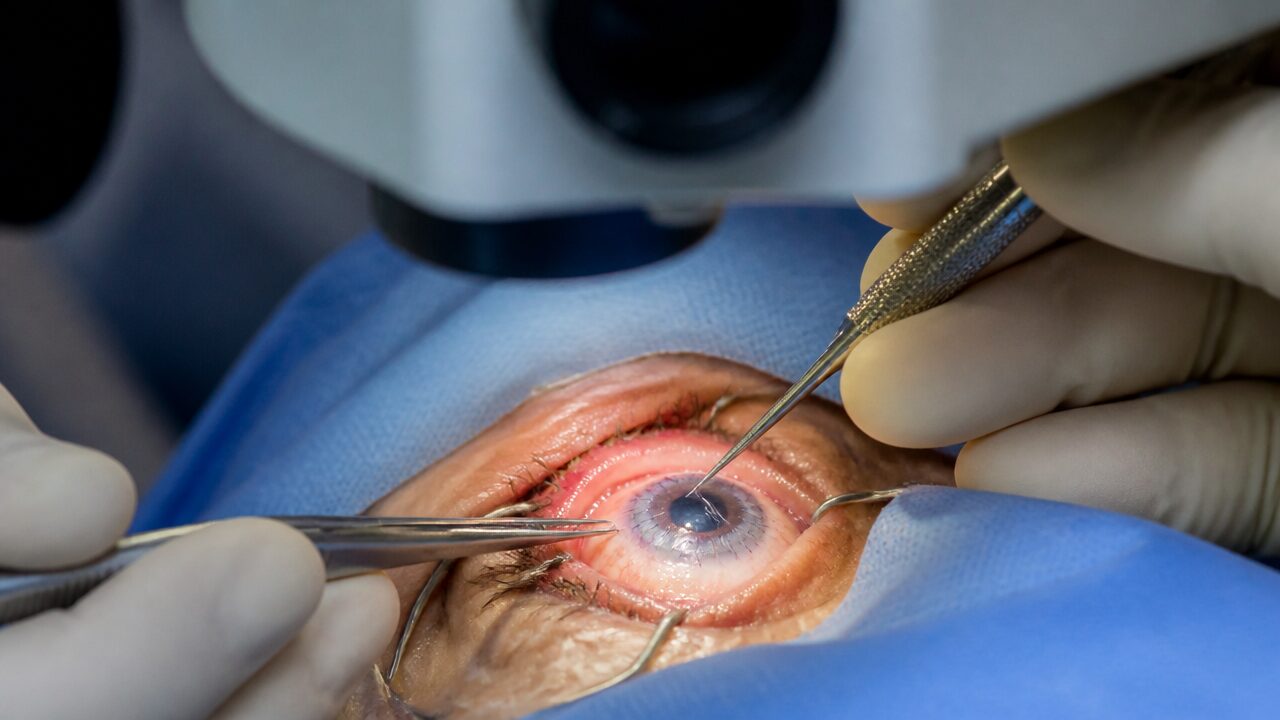
A corneal transplant is a surgical procedure in which a healthy cornea is placed in the position of a damaged or diseased cornea. The cornea is the outermost layer of the eye; it allows light to enter the eye and plays an important role in the clarity of vision. When the cornea becomes cloudy, thins, or loses its shape, vision is seriously affected. Keratoplasty involves replacing part or all of the damaged cornea to correct these disorders.
A corneal transplant is usually performed for patients with corneal diseases or injuries that lead to vision loss. The transplant helps patients regain their vision and improve their quality of life.
In Which Situations Is a Corneal Transplant Performed?
A corneal transplant may be necessary in the following situations. Keratoconus: the cornea thins and takes on an outward, cone-like shape. In advanced keratoconus cases a corneal transplant may be needed. Corneal injuries: trauma, chemical burns or eye injuries can leave permanent damage in the cornea. Fuchs' dystrophy: deterioration of the corneal cells causes the cornea to become cloudy and vision to decrease. Corneal inflammation and infections: severe keratitis or corneal ulcers can cause the cornea to lose its transparency and lead to vision loss. Complications of previous eye surgeries: the cornea may be damaged during cataract or other eye surgery. Corneal clouding: loss of the cornea's transparency from birth or with age can cause vision problems.
Types of Corneal Transplant
A corneal transplant can be performed as a full-thickness or partial-thickness procedure depending on the patient's condition. The type of corneal transplant is determined by the size and location of the damage in the cornea.
1. Penetrating keratoplasty (PKP) – full-thickness corneal transplant. Penetrating keratoplasty is a surgery in which all layers of the cornea (from the surface to the deep layer) are removed and replaced with a healthy donor cornea. This method is preferred in cases where all layers of the cornea are damaged.
2. DALK (Deep Anterior Lamellar Keratoplasty) – partial-thickness corneal transplant. This method is used in cases where only the upper layers of the cornea are damaged. DALK allows the upper layers to be replaced while preserving the innermost layer of the cornea (the endothelium). This method is preferred especially in keratoconus patients.
3. DSEK (Descemet Stripping Endothelial Keratoplasty) and DMEK (Descemet Membrane Endothelial Keratoplasty) – endothelial transplant. In these methods, only the innermost layer of the cornea, the endothelium, is removed and replaced. This method is used in situations where the endothelial cells are damaged, such as Fuchs' dystrophy. Compared with DSEK, DMEK allows a thinner tissue to be transplanted and offers a faster recovery process.
How Is Corneal Transplant Surgery Performed?
Corneal transplant surgery is usually performed under local anaesthesia, though in some cases general anaesthesia may also be used. The surgeon carefully removes the donor cornea and replaces the damaged area in the patient's cornea with this donor tissue. The duration of the surgery varies between 1 and 2 hours depending on the technique used and the patient's condition.
Stages of the Surgery
Anaesthesia: the surgery is usually performed under local anaesthesia, which numbs the area around the eye so the patient does not feel pain during the procedure. In some cases general anaesthesia may be preferred.
Removal of the cornea: the surgeon removes part or all of the damaged cornea. Depending on the depth of the damage, a full-thickness or partial-thickness transplant may be performed.
Placing the donor cornea: the healthy donor cornea is carefully placed into the gap in the eye and fixed with sutures. The sutures keep the cornea securely in the eye, and during the healing process they may slowly dissolve or be removed by the doctor.
Final checks: at the end of the surgery the eye is carefully closed and a dressing is applied. Antibiotic eye drops are prescribed to prevent the eye from getting an infection.
Recovery After Corneal Transplant Surgery
The recovery process after corneal transplant surgery can take from a few weeks to a few months. Healing of the sutures in the eye and full adaptation of the new cornea take time. During recovery, the medications and care recommended by the eye doctor should be applied carefully.
The First Days
Swelling and discomfort: in the first days after surgery there may be mild discomfort, stinging and watering in the eye. These symptoms decrease over time. Vision changes: vision may not improve immediately; there may be blurry and unclear vision. This gradually improves during the recovery process. Eye patch: an eye patch may be worn for a few days after surgery to protect the eye.
Care and Use of Eye Drops
Eye drops and medications: after surgery your doctor may prescribe eye drops and medications to prevent infection and speed up healing. Using these drops regularly is very important. Protecting the eye: during the first few weeks the eye needs to be protected from impacts. During this period wearing a protective shield over the eye while sleeping may be recommended.
Check-ups
Your doctor will plan several follow-up appointments to monitor the eye's recovery after surgery. The condition of the sutures, healing in the eye and the health of the new cornea are monitored at these check-ups.
Advantages of Corneal Transplant Surgery
Improving visual quality: a corneal transplant aims to correct visual disorders so that the patient can gain clearer and healthier vision. Increasing quality of life: regaining vision allows patients to carry on their daily lives more independently and comfortably. Treating various corneal diseases: a corneal transplant is an effective method in the treatment of keratoconus, Fuchs' dystrophy and trauma-related corneal damage.
Risks of Corneal Transplant Surgery
As with any surgical procedure, a corneal transplant also carries some risks. However, when performed by an experienced surgeon these risks are minimal. Infection: there is a risk of infection developing in the eye after surgery, but this risk can be reduced with the antibiotics recommended by the doctor. Rejection of the cornea: there is a rare but real risk of the donor cornea being rejected by the body. In this case, additional treatment by the doctor may be needed. Visual disturbance: while improvement in vision is expected after surgery, in rare cases a visual disturbance may develop.
Don't Delay Treatment
Corneal diseases can progress over time and cause serious vision loss. If a disease or injury has been detected in your cornea, early diagnosis and treatment are the most effective way to regain your vision. To get detailed information about corneal transplantation and to protect your visual health, do not neglect to consult your eye doctor.
This page is for general information and does not replace a personal examination. The right approach is decided together after an eye examination.
Frequently asked questions
Who is a candidate for corneal transplant?
Patients with advanced keratoconus, corneal scarring, endothelial disorders (e.g., Fuchs), non-healing infections or bullous keratopathy may require transplant. Full ocular assessment, including retina status, guides decision.
What is recovery time and what are rejection signs?
Visual recovery can take months and may take up to 6–12 months for stability. Rejection signs: redness, pain, sudden vision decline or light sensitivity—urgent treatment reduces graft failure risk. Retina issues are monitored in parallel.